

Welcome to Water and Power, a newsletter about the elements of our survival—and those who seek to profit off them. Water & Power delivers unique reporting to prepare you to engage on the issues dear to your heart, including notices of upcoming events and highlights from across the media landscape. This members-only newsletter is free to read but will increasing fold in benefits exclusively for paying subscribers.
If you know someone who would appreciate this research and analysis, pass it along. Subscribe to this and our growing roster of Deceleration newsletters. Paying supports from the $5/month level up may leave a comment below. Reader support makes this work possible. — Greg Harman
SEADRIFT, Texas—Dow is hoping to convert its sprawling plastics and packaging materials plant here from gas-fired power to a complex of four modular nuclear reactors. The project, a partnership between Dow and X-energy, is in the vanguard of a wave of new interest and applications for nuclear power projects the state. These so-called “advanced” new-generation reactors, with only two examples in operation, are intended to pave the way toward mass production, a gamble intended to bring down the historically outsized construction costs that have dogged the industry.
Positive press generated to date credits Dow's potential switch for a significant reduction in greenhouse gases. Widespread oil and gas industry expansion in recent decades, alongside the corresponding destruction of climate-stabilizing ecosystems—like Earth's forests—are rapidly overheating the planet and increasing the millions of annual avoidable deaths due to industrial warming and fossil fuel pollution. But longtime critics of Dow don’t see much praiseworthy in this proposed swapping out of gas for nukes. They only see the acceleration of decades of plasticization of area waterways.
Seadrift resident Diane Wilson, founder of the San Antonio Bay Estuarine Waterkeepers, recently challenged Dow's local operations via a 25-day hunger strike, which only concluded with her March 2026 arrest while attempting to deliver her demand letter to Dow officials here.
“They literally locked the front door, peeked through the windows, and called the cops,” she wrote Deceleration this week.
Those demands, later sent by certified letter, included a desired commitment from Dow for “zero discharge” of plastics and a rescinding of its nuclear power application, which has already cleared an early hurdle with the U.S. Nuclear Regulatory Commission. (The company did not respond to Deceleration’s request for comment before our publication deadline.)
“Violating the Clean Water Act and using the region as a guinea pig for dangerous nuclear reactors are completely unacceptable,” Wilson wrote Jim Fitterling, Dow’s chair and chief executive officer.
Last weekend, Wilson opened a community gathering on the topic of nuclear reactors, saying her primarily concern is the ongoing operation of the facility, which she described as a voracious plastics polluter.
The People's Conference on Nuclear Power Reactors sought to meld the fight against plastics pollution with resistance to the revival of nuclear power.
"I know a lot of bad things that they have done," Wilson said. "That really destroys my trust in [Dow], and primarily that is what I have an issue with."
In Brief

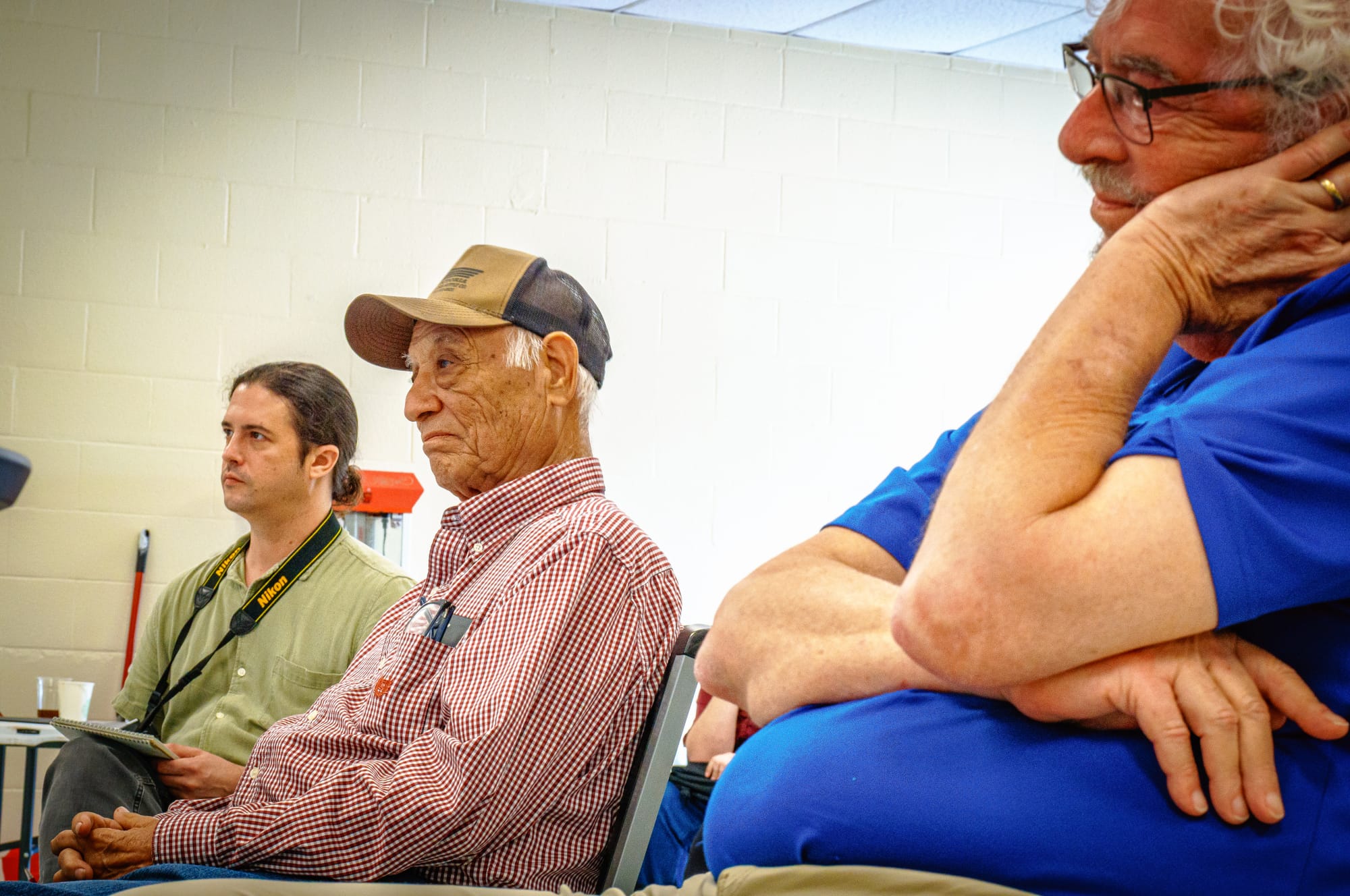
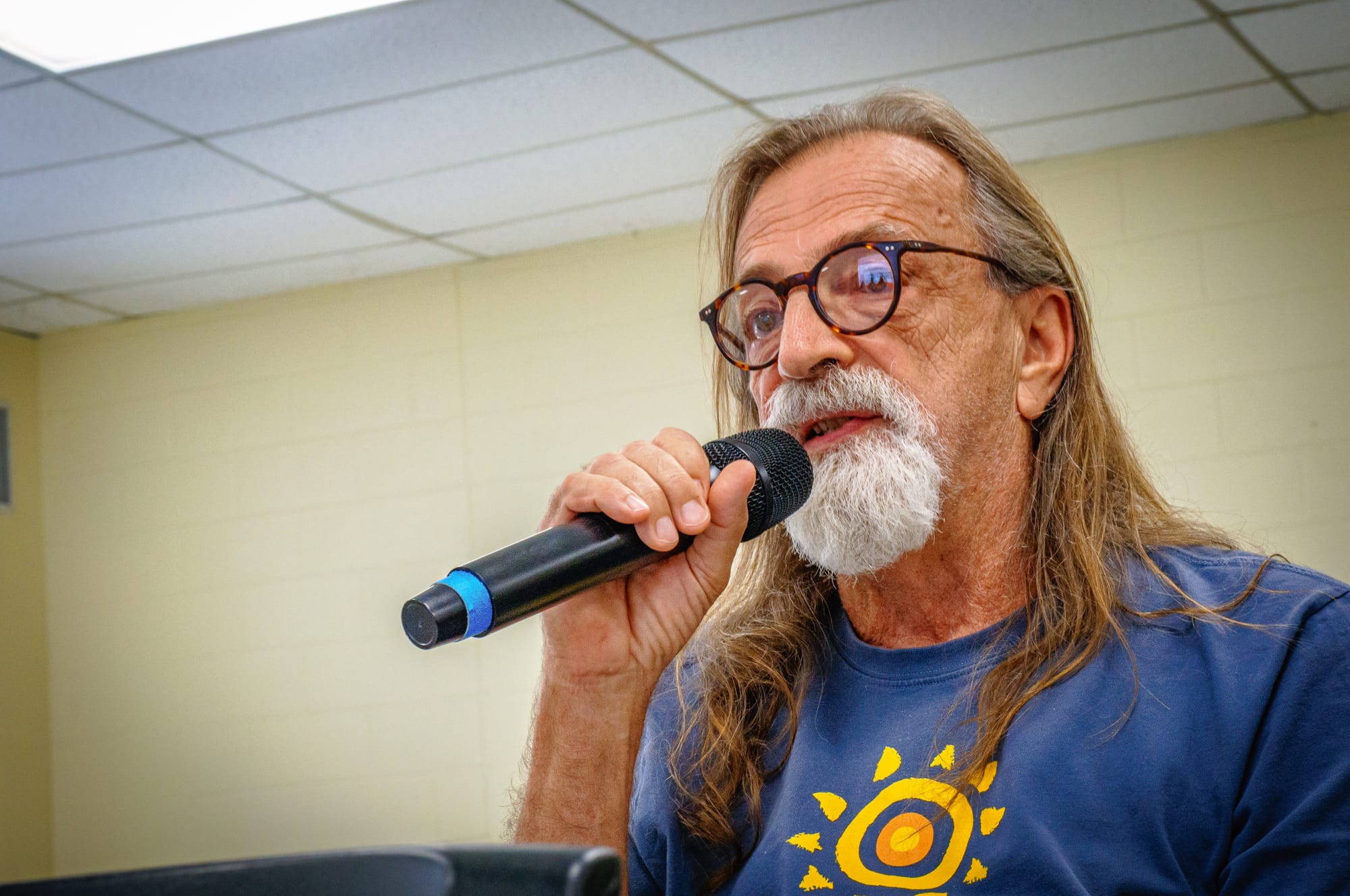


Attendees and speakers at the recent People's Conference on Nuclear Power Reactors in Seadrift, Texas. Images: Greg Harman
Radioactive Waste & Cancer
The Seadrift conference speakers recognized the plastics pollution issue but focused on what was described as a compounding threat: operating nuclear pollution and long-lived radioactive waste.
Speakers experienced in battling nuclear power behemoths—hailing from cities like San Diego, Calif., to Buffalo, New York, to Austin, Texas—insisted that the new generation of reactors generate the same hazards as do the larger power plants etched into global awareness: Chernobyl, Fukushima, Three-Mile Island.
Tim Judson, executive director of Nuclear Information & Resource Service, which describes itself as "a national non-profit organization devoted to a nuclear-free, carbon-free world," walked the small roomful of attendees through the process of uranium mining, nuclear power production, and problem of radioactive waste disposal. Critics of the technology routinely point to the well-documented challenges of disposing of its waste stream, some of which remains hazardous for hundreds of thousands of years.
“The thing that everyone thinks about is the high-level radioactive waste, the fuel,” Judson said. “But the reactor itself is releasing radiation all the time. So there is something called ‘routine’ waste. This is when the reactor is releasing liquid and gaseous radioactive waste. It’s just part of the normal operation.”
Another speaker shared their recent research into the potential consequence of those releases: Cancers. Potentially a lot of them.
A study examining state cancer registries and proximity to nuclear power plants in the United States published in Nature Communications this February found "a positive association between nuclear power plants proximity and cancer mortality." Results were most apparent among women in the 55–64 age group and among men aged 65–74.
"Nuclear power plants emit radioactive pollutants that can disperse into the surrounding environment, leading to potential human exposure through inhalation, ingestion, and direct contact," that article reads. "These pollutants can be transported through air, water, and soil, contributing to long-term environmental contamination."
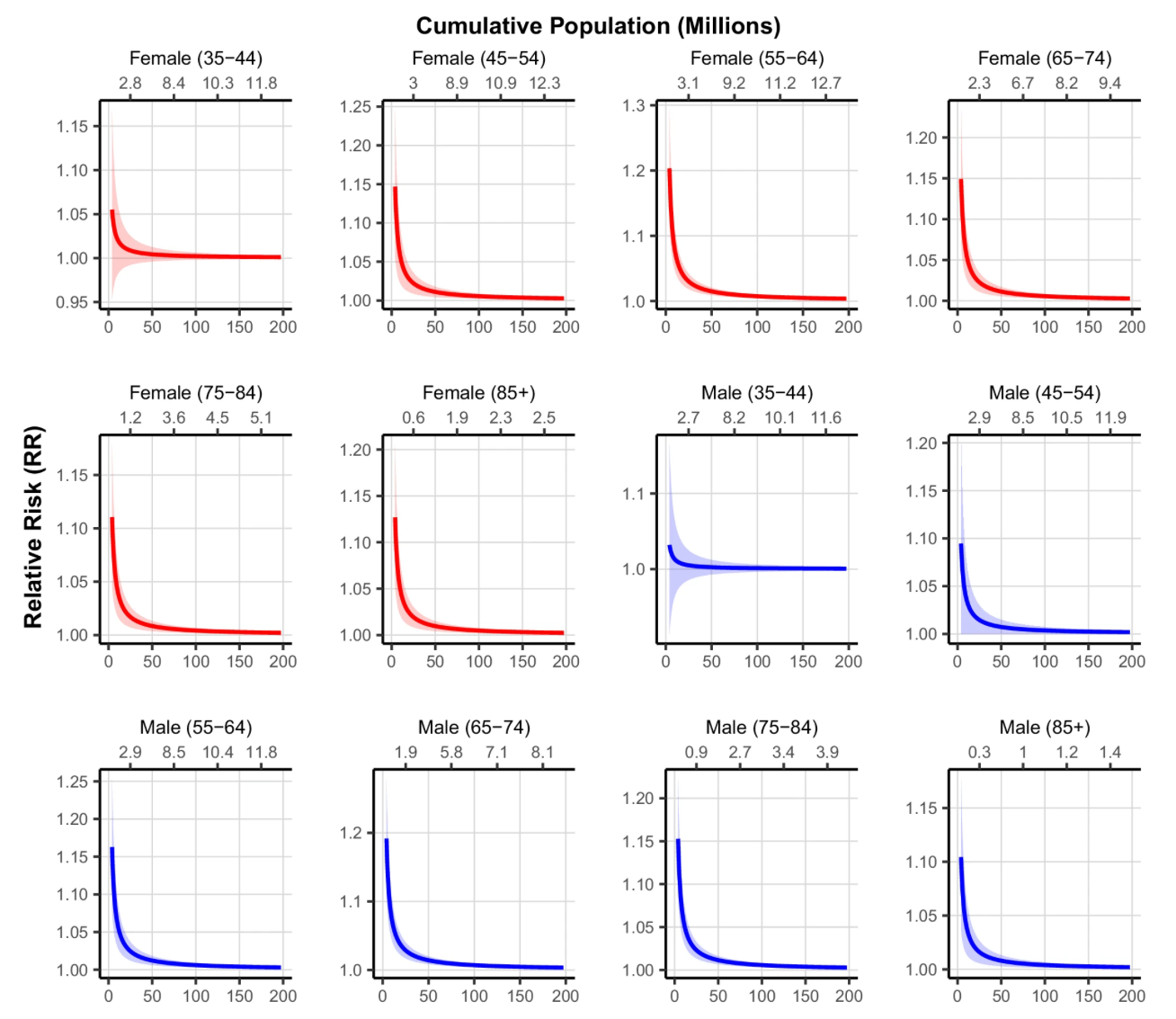
The potential public health impact of ionizing radiation emitted by power plants is surprisingly understudied, said Yazan Alwadi, a research fellow in the Department of Environmental Health at the Harvard T.H. Chan School of Public Health, joining the Seadrift audience via Zoom.
Wilson asked if Alwadi's team faced any blowback from industry after publication of their findings.
"Yes. A lot, actually," he responded. "That month of emails I got was overwhelming in the beginning. Many of them were not very friendly. ... That month of backlash was far exceeding what I expected."
Alwadi, however, was careful to remind their audience more than once that the discovery of these many documented correlations between cancer-related deaths with proximity to nuclear power plants does not mean reactors cause cancer. What it shows definitively is a potential relationship the demands further investigation.
"While our findings cannot establish causality," the paper's abstract states, "they highlight the need for further research into potential exposure pathways, latency effects, and cancer-specific risks, emphasizing the importance of addressing these potentially substantial but overlooked risks to public health."

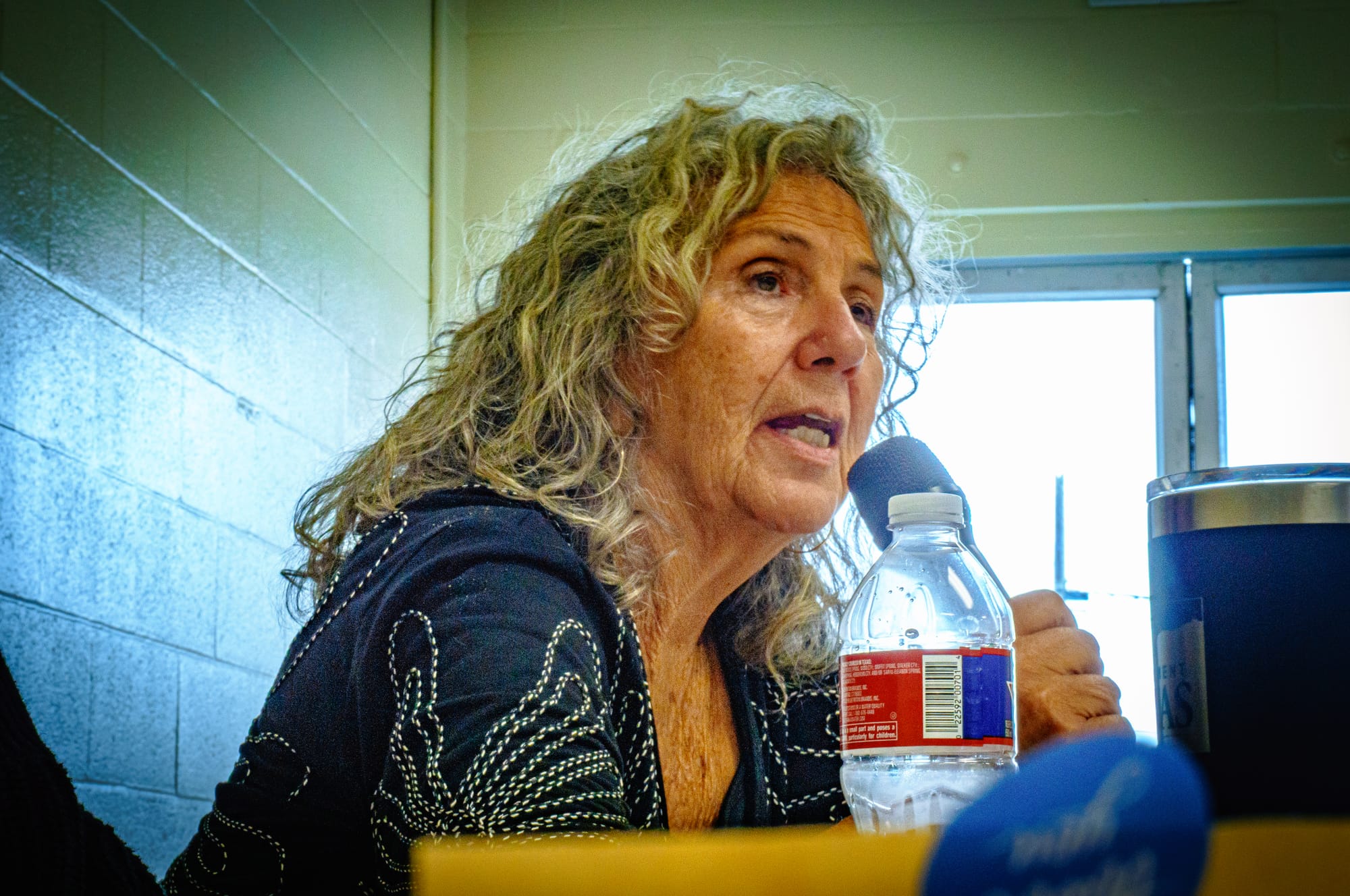
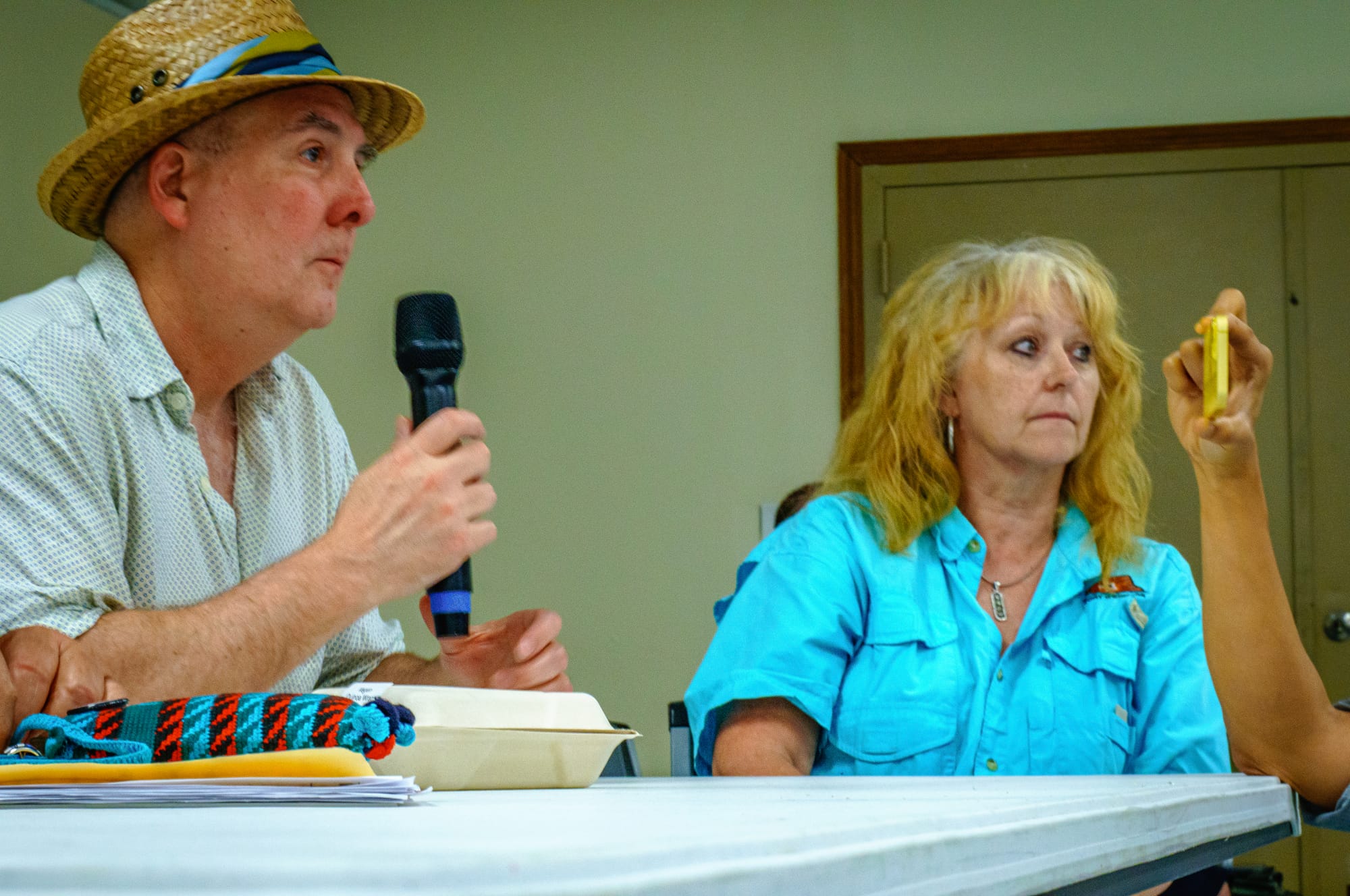
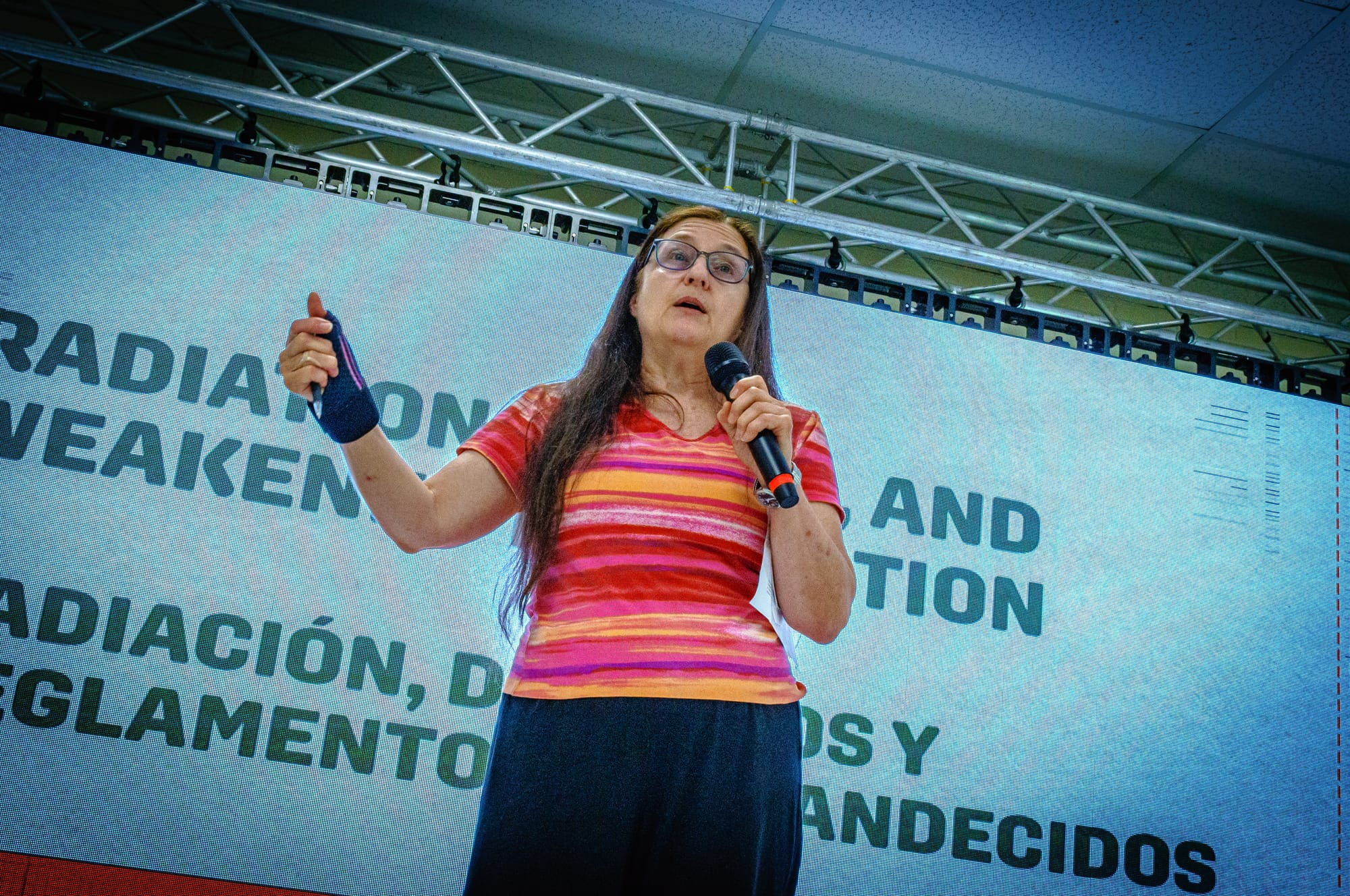
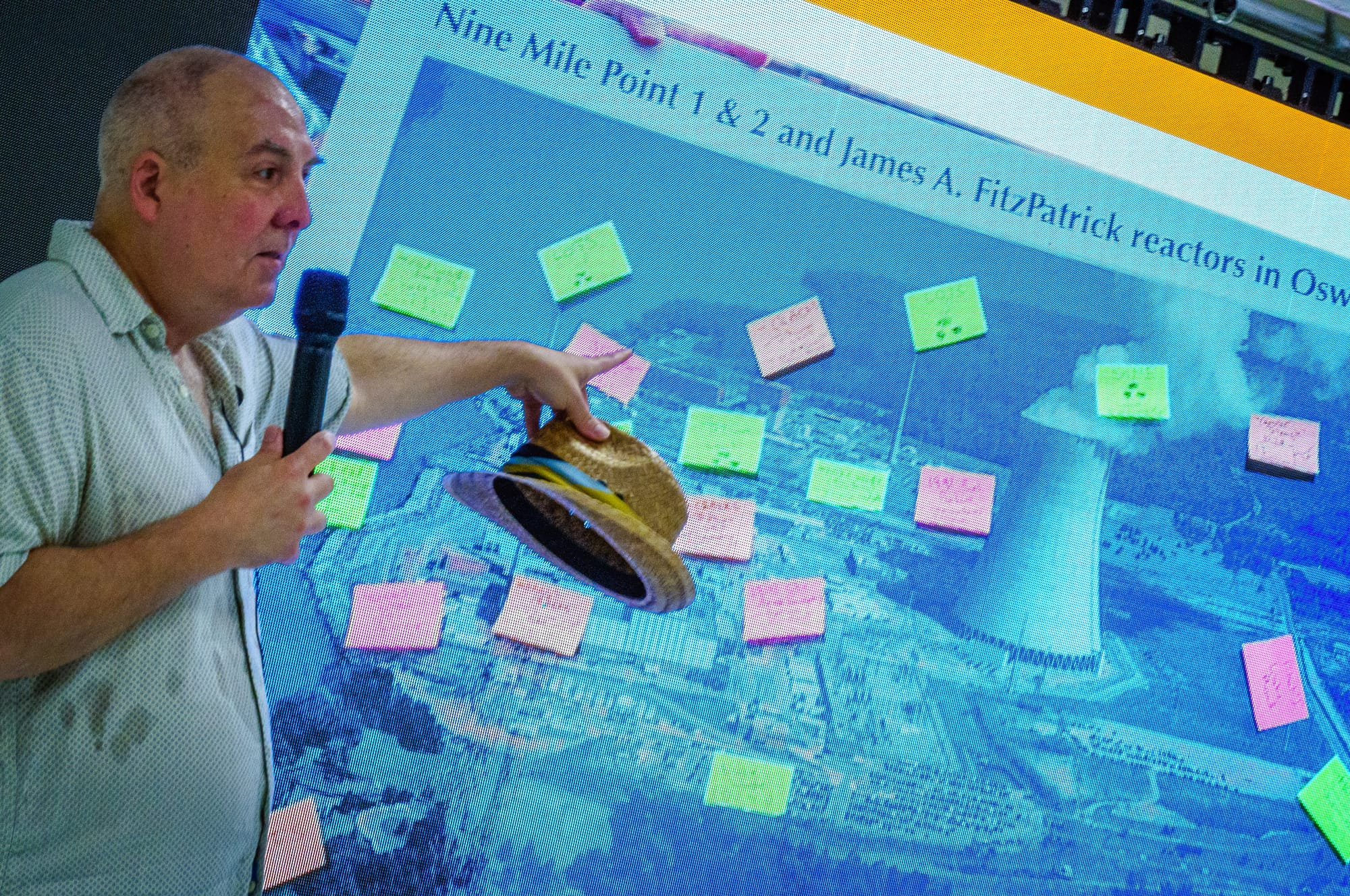

Attendees and speakers at the recent People's Conference on Nuclear Power Reactors in Seadrift, Texas. Images: Greg Harman
Modular reactors to keep plastics flowing
Wilson is a well-known activist and Dow critic, both locally and globally. She was instrumental in wrangling a groundbreaking $50M legal settlement from Formosa Plastics, which operates a facility a 30-minute drive north of Seadrift. That settlement nearly a decade ago kickstarted a movement for coastal restoration projects and de-plasticization.
But it didn’t touch Dow's pollution.
So her focus has shifted, she told the Seadrift audience opening up the summit.
“We filed a 60-day notice of intent to sue [Dow] because we’ve got hundreds of violations of the Clean Water Act—and this has been going on [at Dow] for decades, probably since the 1950s,” Wilson said.
“And if anybody has happened to go out to the Victoria Barge Canal and check those areas on the banks ... floating in the water, it is unbelievable.”
“I spent three years collecting evidence for Formosa plastics, and never saw anything at Formosa that was this bad. It literally blew my mind.”
However, days after the Waterkeepers announced their intent to sue Dow, the state of Texas filed its own lawsuit. That essentially prevented the Waterkeepers from advancing their own claims. While the state of Texas hasn’t interrupted Dow’s nuclear ambitions, the Waterkeepers are challenging the project based on its financial merits.
Listen In
'Radiation, Waste, and Weakened Regulations'
Full presentations from Tim Judson and Diane D’Arrigo (NIRS). Video originally livestreamed by Deceleration.
Surging energy demand driven by AI data centers
Dow’s desired conversion isn’t happening in a vacuum. Massive amounts of new power generation are being sought in Texas to meet ballooning demand.
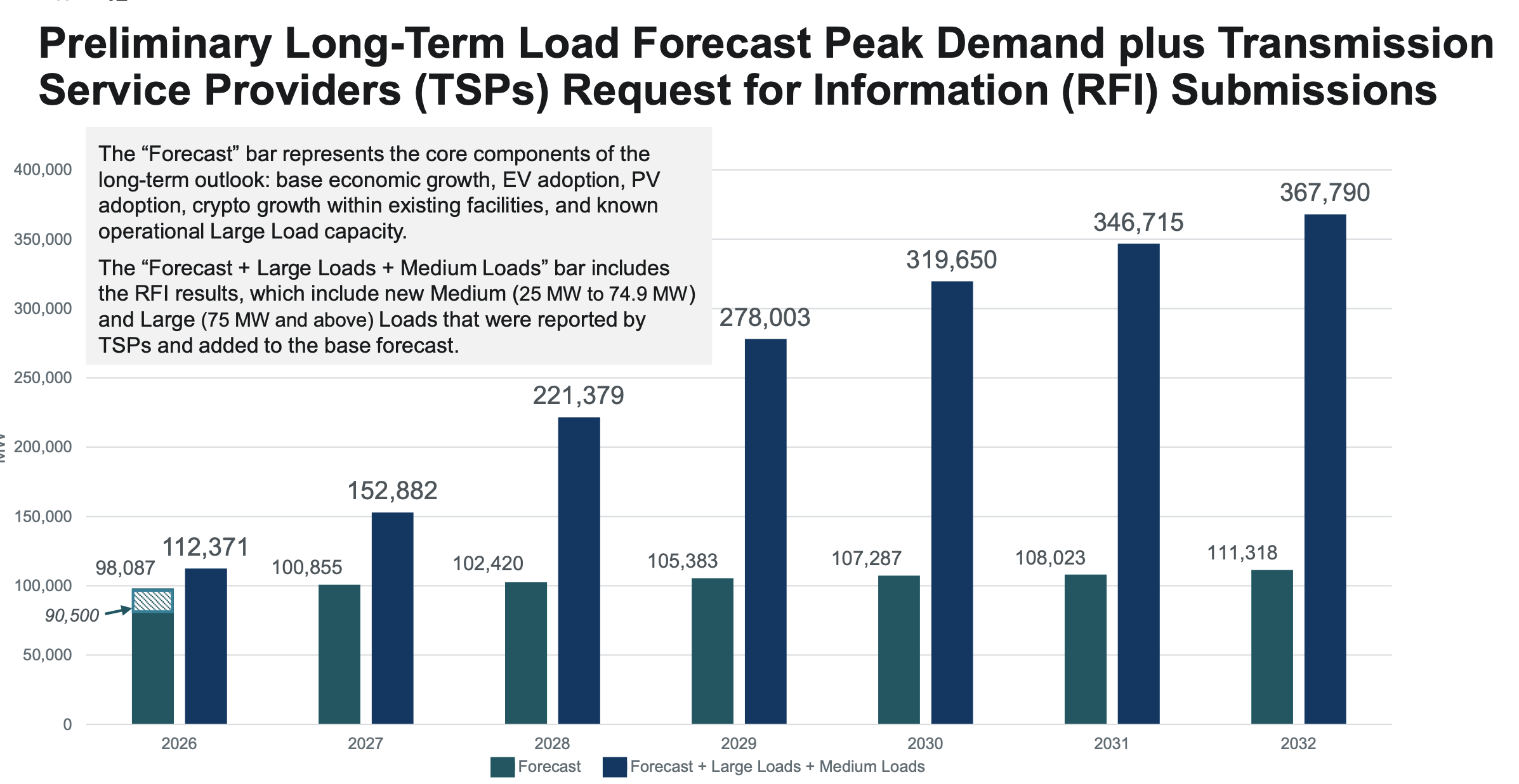
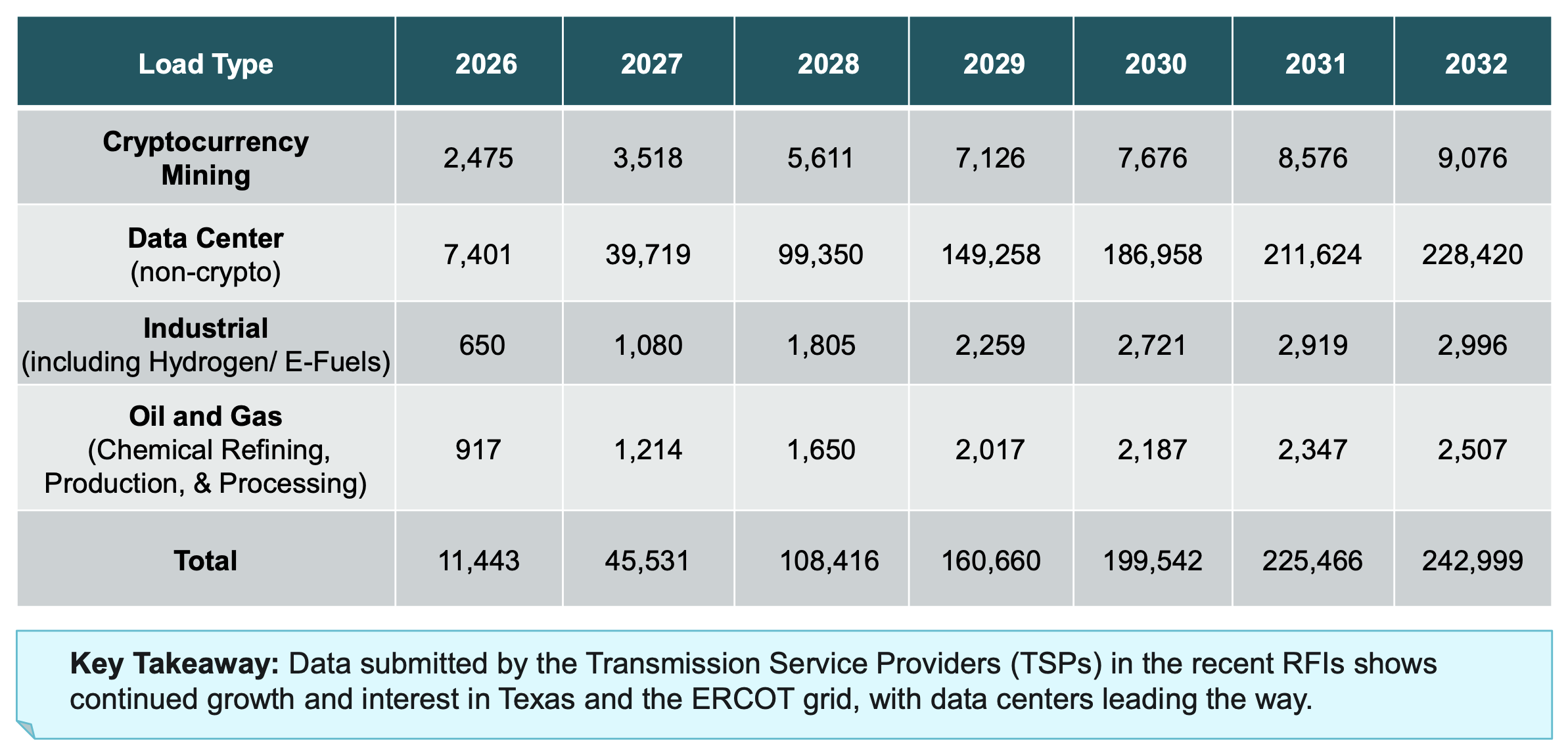
Crypto “mining” companies could quadruple their power footprint between 2026 and 2032, according to the Electric Reliability Council of Texas's April forecasts, based on the number of potential customers seeking information about service connections. ERCOT manages the electric grid for most of the state.
The oil and gas industry could double its total demand during that same time period, they found.
AI data centers, however, are driving a tidal surge in a state not known for reliability.
Based upon the large number of potential data centers lining up with new power requests or documented interest, AI data center power use in Texas could shoot up more than 30 times, according to ERCOT: from 7,400MW in 2026 to 228,420MW by 2032.
So it’s to be expected that all possible power sources would come into play in such a frenzied scramble for electrons. But a lot of thumbs are on those scales too. While the Trump Administration, for instance, has sought at every turn to hamper the growth of wind and solar, both sources of low-polluting energy now ranking among the cheapest options available, it is working at least equally as hard to boost a revival of nuclear power.
While most of the nuclear energy generated today comes from plants constructed decades ago, Trump has picked up President George W. Bush's earlier "nuclear renaissance" enthusiasm. He entered office last year with a string of pro-nuclear policy priorities. And the Republican-led Congress has since moved billions toward underwriting the sector.
As the Nuclear Newswire highlighted in January 2o26, Congress "reprogrammed" billions of U.S. Department of Energy dollars to the DOE's Office of Nuclear Energy "for projects receiving cost-shared funding through the Advanced Reactor Demonstration Program. Those projects include grid-scale reactor demonstrations by TerraPower and X-energy and ... small modular reactor deployment awards."
At the state level, Governor Greg Abbott has helped steer the release of $350M of taxpayer-backed funding through the Texas Advanced Nuclear Development Fund. Sonal C. Patel at Power magazine wrote in April how the fund helped create the “nation’s largest state‑level nuclear package … aimed at reactor construction and supply chain development.”
All of this in spite of a long history of cost overruns that have made nuclear power the most expensive option on the board.
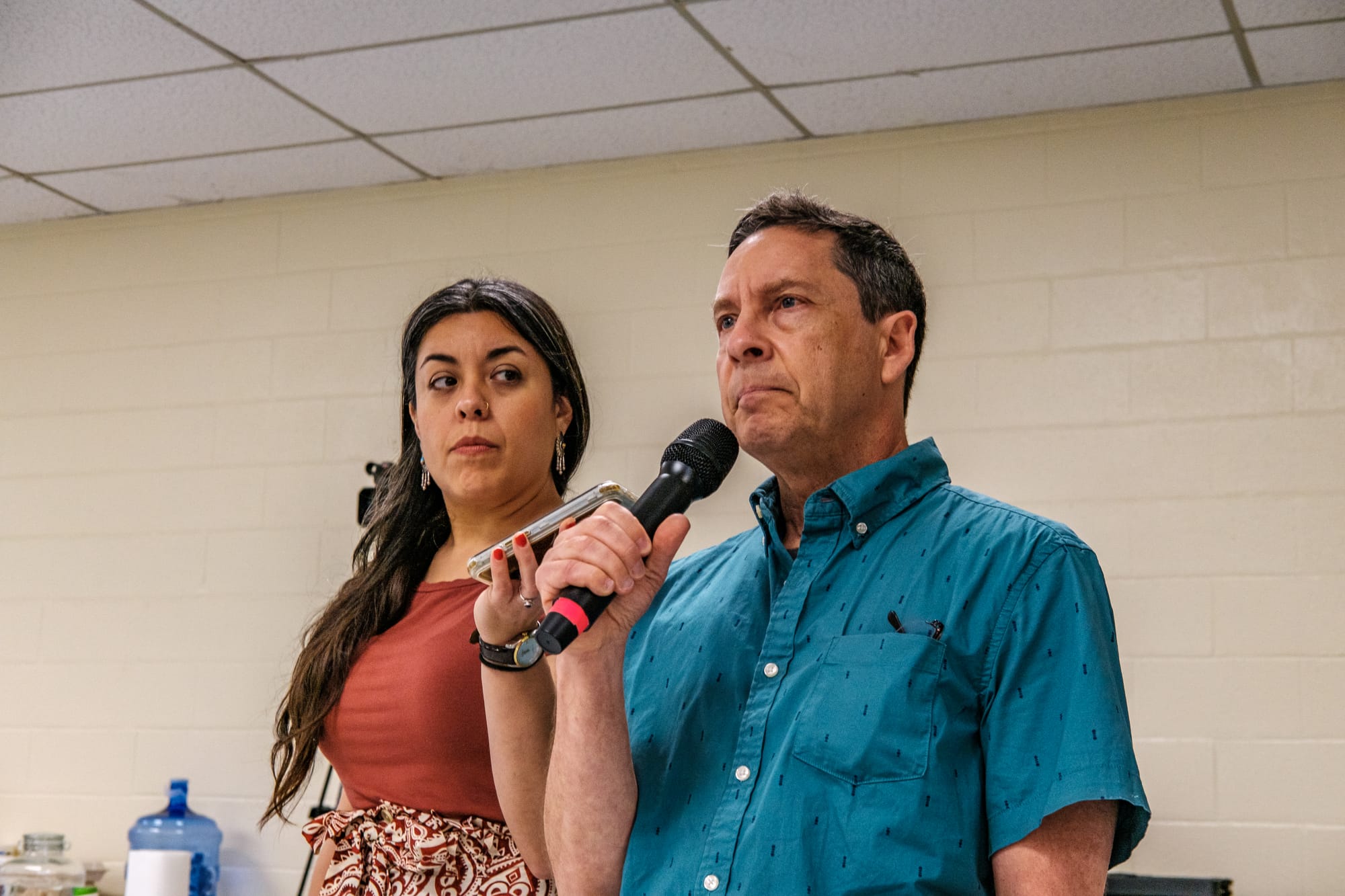
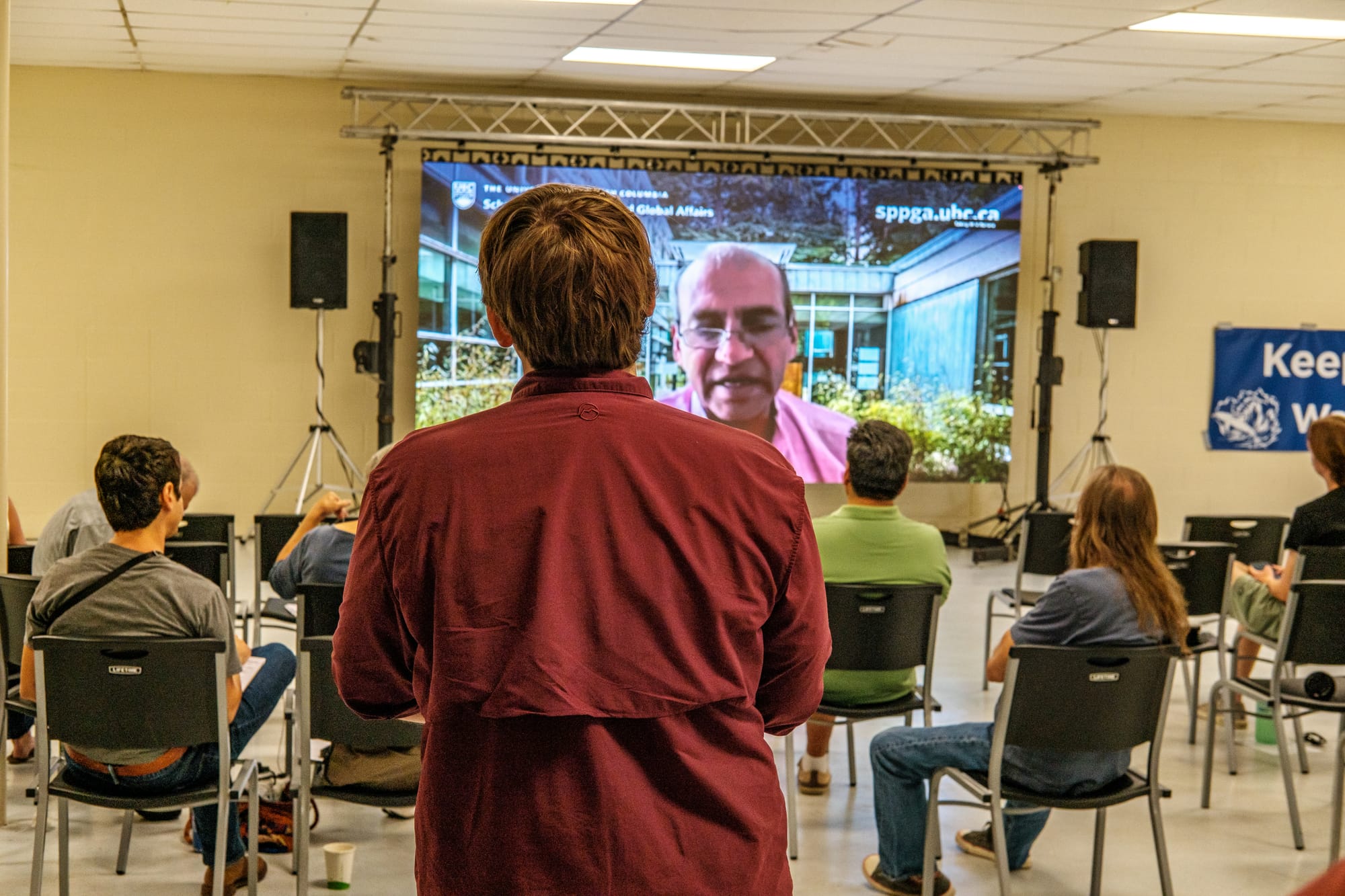


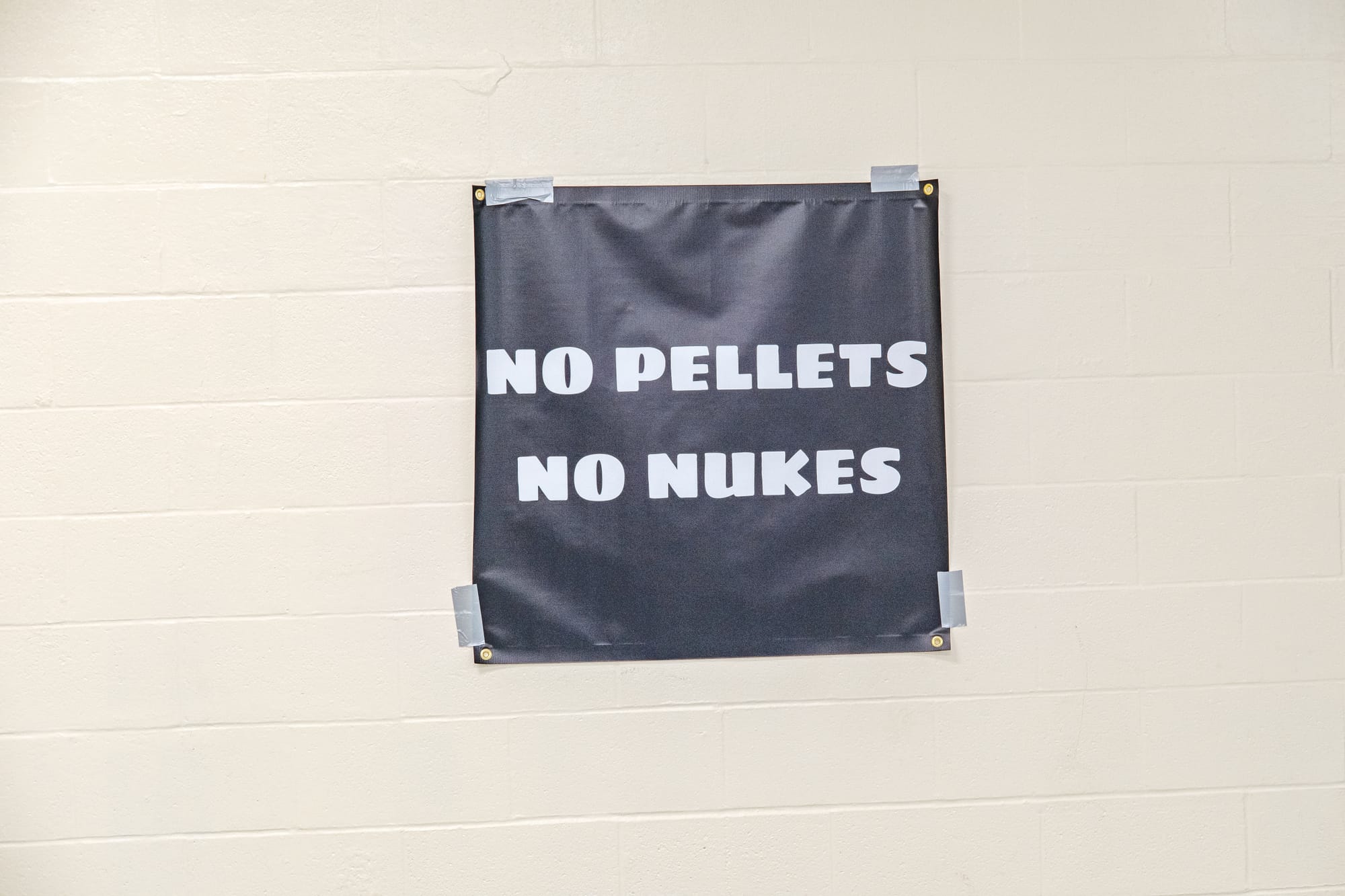

Attendees and speakers at the recent People's Conference on Nuclear Power Reactors in Seadrift, Texas. Images: Greg Harman
Nuclear energy costs and ionizing radiation
Since the first generation of atomic scientists pivoted from work that ultimately devastated the Japanese populations of Nagasaki and Hiroshima to an "Atoms for Peace" effort, nuclear power has had a public relations problem. Some of that perception issue has bled over from proliferation fears and decades of bomb testing. Those war-related efforts poisoned communities around the world—primarily, but not exclusively, Indigenous communities, stretching from New Mexico to the Pacific Islands—which only concluded (mostly) with the Comprehensive Nuclear Test Ban Treaty in 1996.
Some is surely also linked to health fears over long-lived pollutants that are invisible, odorless, and tasteless. A 1990s milestone report from the Committee on the Biological Effects of Ionizing Radiation, known as the BEIR V, demonstrated how radiation-related cancers were being routinely undercounted. And for that reason allowable emissions for nuclear plants at the time were likely between 100 and 1,000 times too permissive for infants.
"It is dirty, dangerous, expensive, and makes very deadly and long-lived radioactive waste that we have no way of isolating in the environment," said Diane D’Arrigo, radioactive waste project director at NIRS.
"There is not a safe level of radioactive exposure. Any amount of exposure to ionizing radiation, it is international consensus scientifically, can cause cancer and other health effects."
While people are exposed to ionizing radiation every day, the duration of exposure and type of radioisotope involved matters.
Cesium-136, for example, a product of nuclear fission, lives for up to 600 years and tends to concentrate in muscle in the human body. The condition known as "Chernobyl heart" (movie of the same name) has impacted children around that nuclear disaster site for years.
Efforts to reduce the levels of allowable exposure are heating up in the regulatory space along with this drive to incentivize new reactors. D'Arrigo said she expects a weakening of federal regulations to be "pushed through" by the Trump administration by November 2027.
If the health risks of low-level exposure remains contested space in the research community, less so is the reality of massive construction costs, cost overruns, and delays. Even countries like France that are moving forward with large nuclear projects are feeling pinched by the massive costs of long-term storage and disposal of wastes, some of which remain hazardous for tens of thousands of years.
Nearly 20 years ago, San Antonio was prepared to help kickstart a revival of nuclear power—only to be forced to sue its way out of a contract with its partners as projected costs skyrocketed over initial projections.
Georgia Power, engaged in its own expansion, pressed forward. It took 15 years to complete, with two units coming online in 2023 and 2024. They arrived at a eye-watering cost of $36B—$14B more than expected. Those costs would subsequently send local electricity rates surging by 25 percent and force disconnections for nonpayment among customers up by 30 percent.
Listen In
Nuclear Reactors Panel on Community Well-being
How do communities organize to keep themselves safe? People's Conference concluding panel. Video: Deceleration
Changing the rules for modular and 'mini' reactors
Dow's press materials highlight the desirability of X-energy's Xe-100 modular reactors, namely their ability to produce both extremely hot steam heat and electricity. Both products are needed to produce the more than 4B pounds of materials—largely plastics—produced at the facility.
Announcing the NRC's finding of "no significant environmental impact" associated with the proposal, Edward Stones, business vice president of energy and climate for Dow said:
"This is a significant milestone for the Long Mott Energy project, and we appreciate the comprehensive and efficient manner in which the NRC conducted its assessment. ... We are another step closer to expanding access to safe, clean, reliable, cost-competitive nuclear energy in the U.S."
Power hungry data centers are seeking to roll in nuclear, too.
Project Matador in Amarillo, for instance, is hoping to power up with four large-scale Westinghouse AP1000 nuclear reactors providing 4.4GW of power.
Crusoe's planned 1,600-acre data center campus at the Port of Victoria in South Texas would be powered by up to 1.5GM of nuclear power provided by a suite of modular reactors assembled by Blue Energy.
But to do that they'd also like some rule changes.
Historically, nuclear reactors have been located far away from population centers. That may change under a series of revisions anticipated for small modular and "micro-" reactors. These are reactors that the current NRC expects "to result in a smaller and slower release of radioactive material in the unlikely event of an accident," after all.
So speeding up the process? The state of Texas is on board with that, as is clear in their comments to the NRC:
Today's rules were simply not built for "high-volume deployment of microreactors," the NRC rule change notice reads. In other words, expect this map of proposed new nuclear projects to grow quickly as ever more data centers pile up applications in the state. And expect today's quieter points of resistance to grow more visible in response.
-30-
Top image: Diane Wilson speaking at the 'People's Conference on Nuclear Power Reactors' in Seadrift, Texas. Image: Greg Harman
Existing & Proposed Nuclear Reactors in Texas
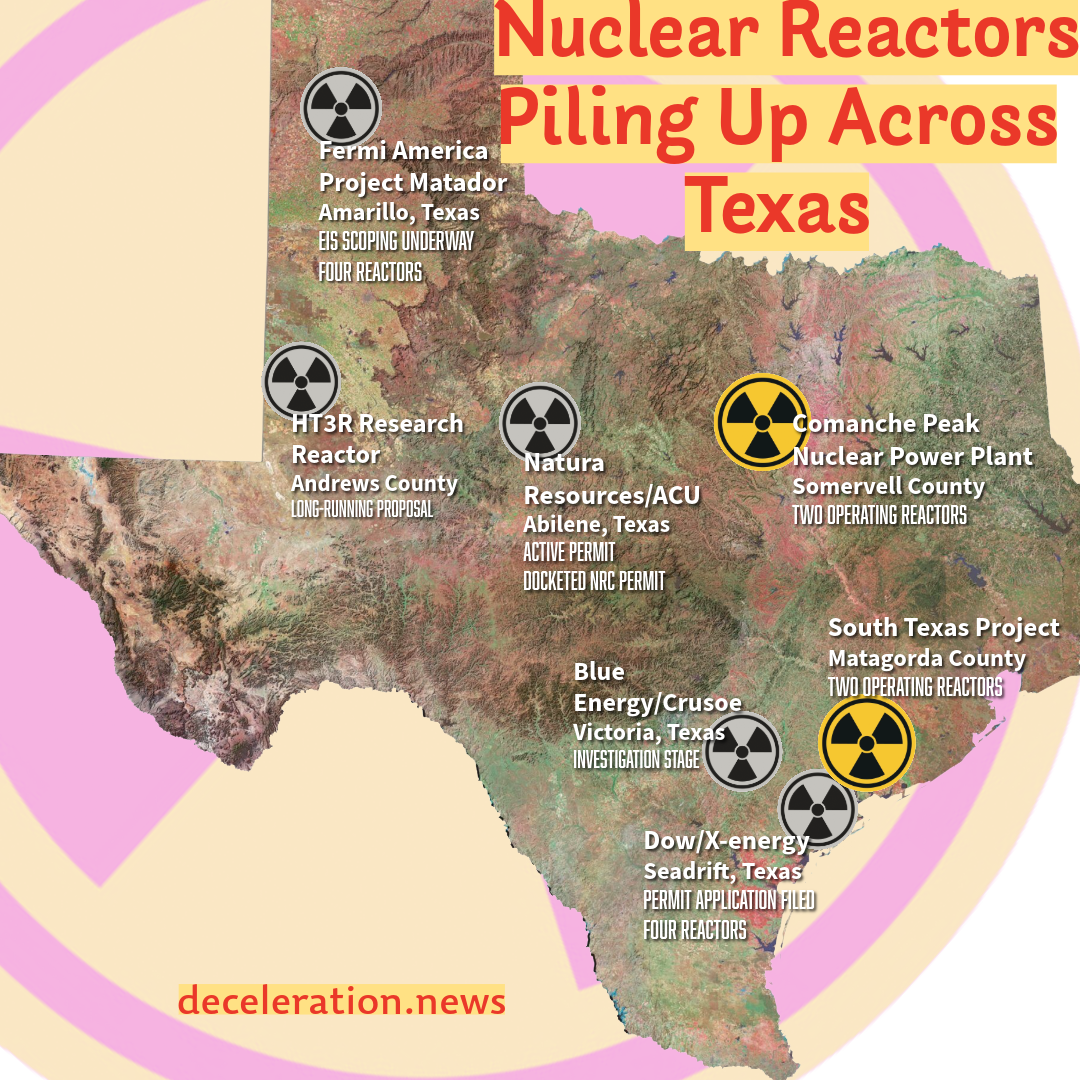
EXISTING
- Comanche Peak Nuclear Power Plant
- Somervell County
- Two Operating Units
- South Texas Project Electric Generating Station
- Matagorda County
- Two Operating Units
- Research reactors at UT and A&M
PROPOSED/IN DEVELOPMENT
- Dow/X-energy (Long Mott Generating Station)
- Seadrift, Texas
- Permit application filed
- Four Reactors
- Fermi America/Project Matador (Data Center)
- Amarillo, Texas
- EIS scoping underway
- Four Reactors
- Natura Resources/ACU
- Abilene, Texas
- Test reactor, active permit
- Anticipated 2027
- Blue Energy/Crusoe (Data Center)
- Victoria, Texas
- Investigation Stage
- HT3R Research Reactor
- Andrews County
- Proposal


