

Seeking to sidestep two years of deepening distrust, City of San Antonio Brackenridge Park committee members hope to open a new conversation while generating a Brackenridge Park Reconciled Project Inventory.
Greg Harman
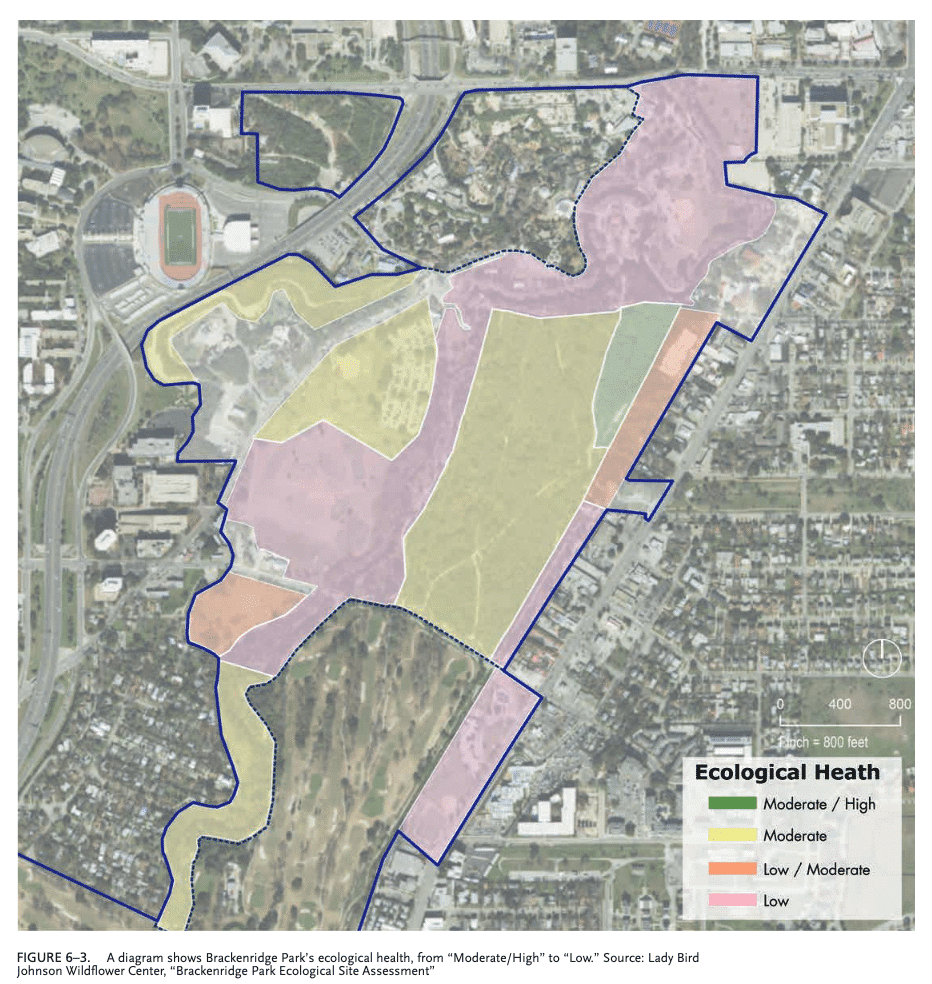
The City of San Antonio has a ton of work to do in Brackenridge Park. It’s a park long neglected, as the 2021 Cultural Landscape & Ecological Site Assessment detail. The ecology is rated “poor” overall, river walls are crumbling and soils along the river banks severely compacted, drainage channels mirror the same concretized flood-control systems that have destroyed natural habitats across the city. And, frankly, these improvements aren’t going to happen if community relations remain mired in the same sorts of objections—and lawsuits—that have dogged the first phase of the 2017 Bond Project offering a mix of maintenance and new development projects.
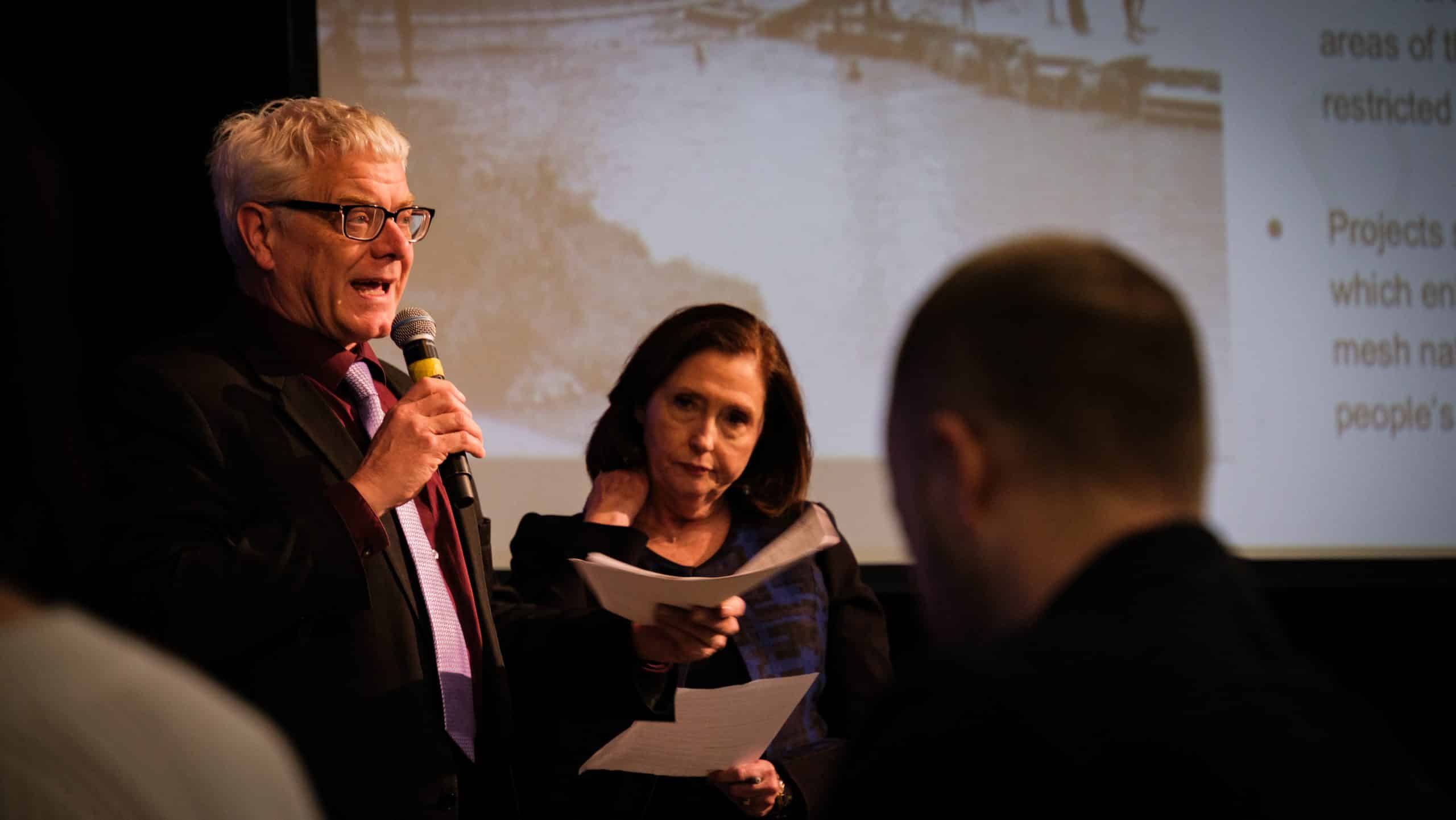
This reality was the roiling subtext that marked the first community gathering hosted by the reconstituted Brackenridge Park Stakeholder Advisory Committee within the D.R. Semmes Family YMCA at TriPoint on January 6, 2024.
Donate to DecelerationCity Manager Erik Walsh called the committee back into being in the midst of the fight over the City’s violent displacement of a migratory bird rookery in the headwaters of the park and the City’s rejection of some Native American claims that removal of elder trees and birds in the park represented an assault upon the “spiritual ecology” of the park.
More than 100 local residents crowded into the YMCA to participate in what one speaker described as a desired “reset” with the community. After a brief introduction, attendees were dispersed into several smaller breakout rooms to discuss the values that should be guiding any future decisions about the land, river, architecture, and park operations.
“The point of what we’re doing here is exactly to ask those foundational questions about what people care about most about the Brackenridge Park,” said Jay Louden, a local architect and project lead on what is being described as a Reconciled Project Inventory for Brackenridge Park. “This is to a certain extent a reset of where we are with the park and with projects.”
Hostilities marking past meetings concerning park projects were generally muted at this gathering. Attendees were told that past decisions about Brackenridge Park—including a decision to remove dozens of trees from the park to repair river walls and restore adjacent structures—would not be up for discussion. Little, in actuality, has changed concerning Brackenridge’s power dynamics or trajectory. The City’s authority to forcibly evict migratory birds across the parks system remains unchallenged. The bond project expected to remove around 100 trees* in two phases in order to repair the river wall and begin restoring and constructing new park features, including a performance plaza, continues as before.
The committee, chaired by Assistant City Manager Lori Houston and Brackenridge Park Conservancy CEO Terry Brechtel, was ready for more pushback than they ultimately received at the meeting, as notes from their November 2023 meeting show with an expressed need for “a strong moderator to control few outspoken community members.”
But there have been subtle shifts in language that seem intended, among other things, to assuage fears of privatization of public space, even as the Brackenridge Park Conservancy asserts itself to keep the current bond project on track.
Fee or Free?
The 2017 Brackenridge Park Master Plan called for a “balance of fee versus free activity space in the park,” for instance, highlighting fee-based usage at the San Antonio Zoo, Witte Museum, and Brackenridge Park Golf Course. It notes, additionally that: “Surprisingly, 20 percent of the park is impervious cover.”
The call today is for inclusivity (a “park for everybody”) and to “promote free use,” said Suzanne Scott, state director of the Nature Conservancy of Texas, addressing TriPoint audience.
The committee’s new proposed Guiding Principles add that “where possible” new projects “should open access to areas of the park which are currently restricted.”
Native Oversight
While the history of Indigenous stewardship of what is today Brackenridge Park was repeatedly stressed at the January 6 gathering, the makeup of Walsh’s committee remains largely unchanged, with space overwhelming reserved for leaders of Brackenridge area museums, schools, neighborhoods, and private interests (golfing related businesses have two dedicated seats). There is only one seat among roughly two dozen that is held by a Native American leader (Ramon Vasquez, executive director of the Americans Indians in Texas at the Spanish Colonial Missions, or AIT-SCM).
While AIT-SCM have avoided publicly weighing on park controversies over the past two years of debate, objections have been lodged by numerous other Native communities, including the pan-indigenous Society of Native Nations, the Lipan Apache Tribe of Texas, and the Comanche Nation, among others. A federal lawsuit filed on behalf of two members of the Lipan-Apache “Hoosh Chetzel” Native American Church is currently on appeal at the federal Fifth Circuit Court of Appeals.
[More about the city vote to proceed in spite of community objections here; More about the federal lawsuit here.]
Polling
The results of a new poll (English here; Spanish here) seeking to gauge publicly desired park uses will certainly be used to support whatever future development path this committee lays down.
Among the park priorities poll takers are asked to rank is:
“Spiritual use: Including religious use by aboriginal/first people groups”
In a colonial city that has centuries of prizing the “recreational use” of residents in city parks but only recently begun to see a surge in the awareness of many of their own Indigenous identity it’s likely this option will settle near the bottom of results (and be exploited as such) without a significant push by the larger Native community (and allies) as a strategy to achieve better representation and control over its own sacred sites.
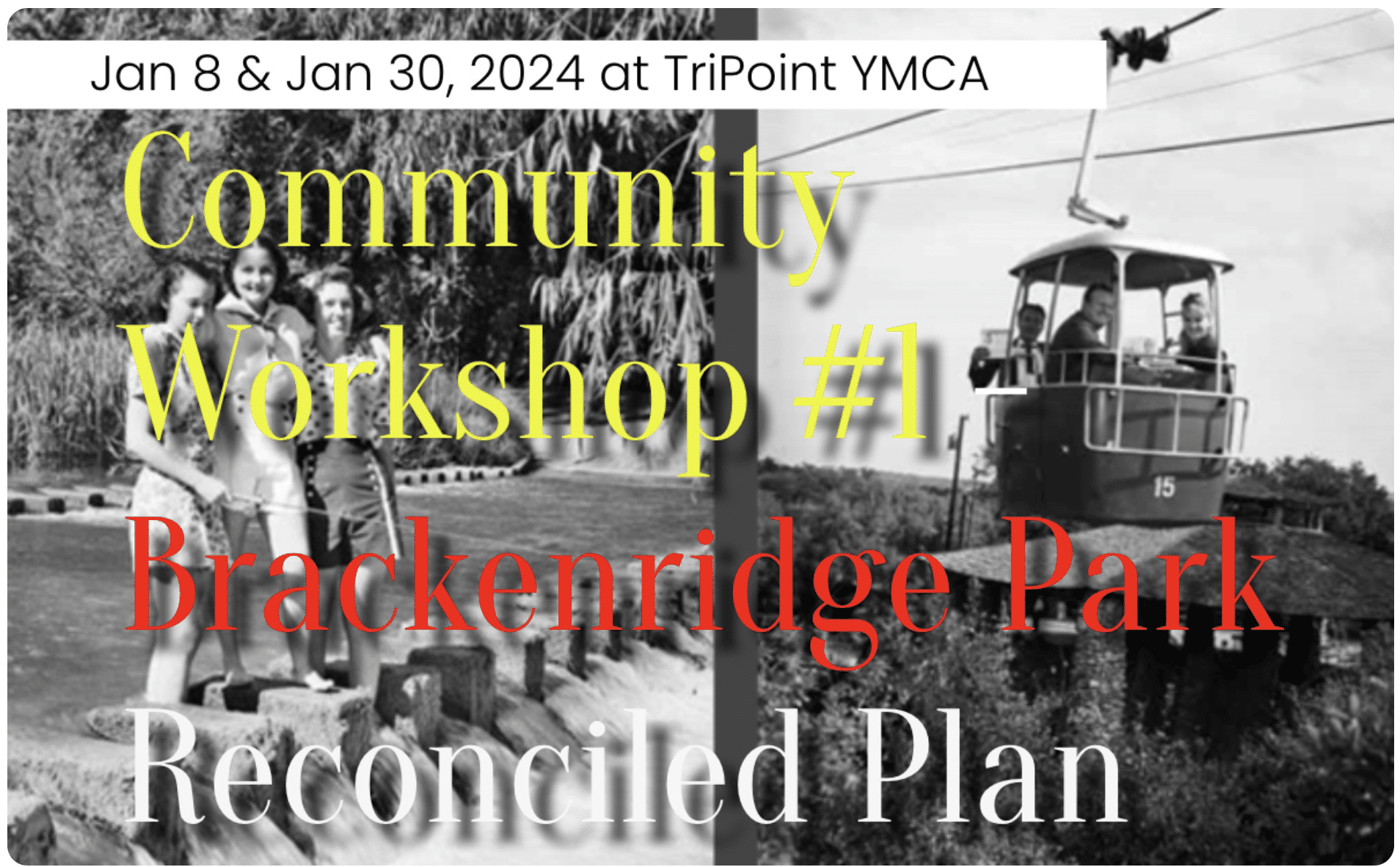
If you decide to attend the next public gathering on January 30, 2024, understand the intention of these meetings is to discuss values and not actual ongoing park developments.
As the effort’s project lead Louden urged attendees on January 6:
“What I would encourage you to do: That project that you feel deeply about, something that you really want to see implemented, or something that you are violently against, think about what is the very core of that? What is the principle behind it? What’s the thing you care about?”
It’s no secret that Brackenridge is not well. Ecologically speaking.
A summary in the 2020 Cultural Landscape Report describes it as a “vegetative diversity is in trouble, and its overall function, which impacts the health of the soil, tree canopy, plant communities, and wildlife, is suffering.”
The sting of the City’s advancing its vision over sustained community resistance inspired Councilmember Phyllis Viagran to rightly warn over a growing chasm of broken trust between the City and residents. That injury is a spiritual wound such that any values exercises that refuse to address the ongoing injury as we await chainsaws in the now-migratory-bird-free headwaters is unlikely to achieve any truly restorative justice or lasting peace.
* The original plan was split into two phases. Phase One shows about 48 trees slated for removal. To our knowledge, a Phase Two tree inventory is not available.
-30-

Like What You’re Seeing? Become a patron for as little as $1 per month. Explore ways to support our mission. Sign up for our newsletter (for nothing!). Subscribe to our podcast at iTunes. Share this story with others.


