Governmental institutions are being hollowed out and globally significant research centers shuttered. Much of the private sector has been cowed into obedience by and to a rising authoritarian regime. Funding flows toward climate-dedicated nonprofits have been dramatically reduced.
This is the political backdrop to a three-day convening being held in San Antonio, Texas, this week for governmental employees, academics, nonprofit leaders, private-sector technical experts, and community members across a five-state region. The South Central Climate Resilience Forum (SCCRF) comprising the member states of Arkansas, Kansas, Louisiana, Oklahoma, and Texas, is intended to foster “meaningful dialogue and action” toward climate adaptation and resilience efforts that may be severely hobbled but are ongoing in many critical sectors.
Peppering presentations were oblique references concerning threats to ongoing research or funding sources in jeopardy, but mostly discussions and presentations unfolded with an agreeable neglect. The topics under discussion this week are massive: rising extreme heat and the corresponding public health emergency; the hundreds of lives swept away in the recent Hill Country Floods; punishing drought and disappearing water supplies; the collapse of global biodiversity.
Day One panel at The South Central Climate Resilience Forum being held in San Antonio, Texas, this week. Deceleration video.
While so many of the attendees were clearly doing their best at what they do best, that is managing crisis, Colette Pichon Battle, founder of the unapologetically radical Louisiana-based environmental justice organization Taproot Earth, tacked directly toward the essence of the dilemma stalking the sessions here.
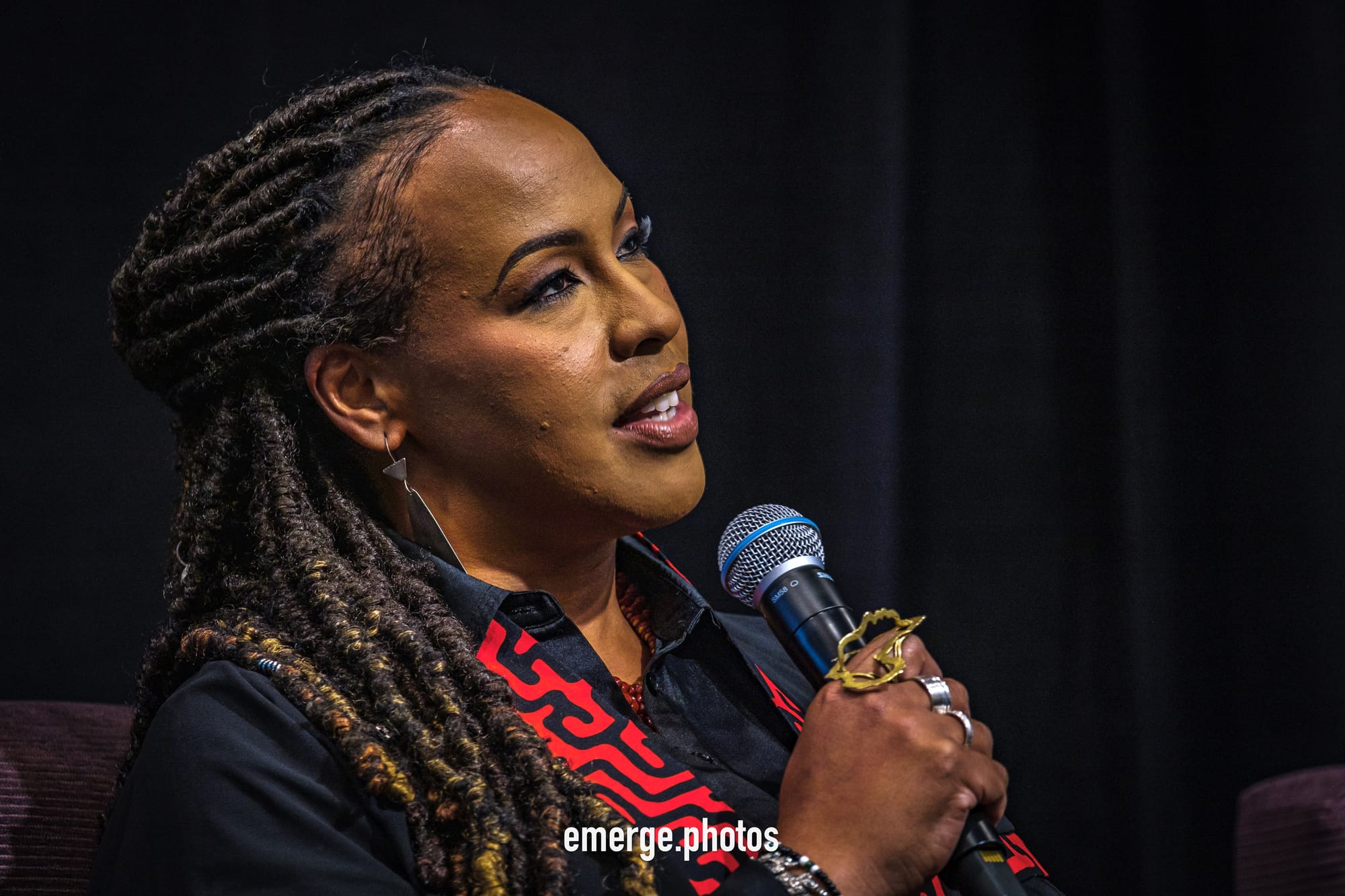
“The system does not work. It does not work if what you care about is humanity, you know, viability of community,” Battle said on a Wednesday panel on the topic of community and collaboration. “We have to knock this system down and build a new one.”
“Black folks have been saying this for a long time, we’ve just been waiting for the rest of y’all to catch up with us.”
Her partners on the stage described their movement into and through careers of public service but didn’t quite voice a direct answer to the prompt from facilitator Sascha Peterson of Adaptation International on how to reach “true collaboration.”
Nicole Alderete-Ferrini, serving today at assistant city manager in the town of Pecos, Texas, and previously as the chief resilience officer in El Paso, Texas, described the resilience officer role as one demanding constant table-setting deserving of the title “collaborator in chief.” She acknowledged that even when discomfort signaled the potential for authentic growth or progress in negotiation over a shared problem, certain entrenched interests tended to own the table at the end of the day after everyone else had gone home.
It was a chronic injustice she said she never overcame.
“This is my favorite phrase: ‘¿Y luego qué?' In Spanish it just means, ‘And then what?’ And then what happens? How are you moving on that? Who’s making that decision once everybody’s left?"

Adam Parris, of the technology services goliath ICF, described his own learning curve, which challenged early assumptions about pure science being able to advance workable solutions, finding that approach could work to the detriment of actual community needs.
“I really took for granted that science had anything to do with what could solve their problems. I just sort of assumed, like, ‘We got science.’ That was a mistake," Parris said.
But it was Battle who delivered a solid proposal. It just wasn’t one many seemed prepared to accept ... at least not right away. The negotiation tables we keep making can't be made even, she asserted, when some coming to them have already suffered through genocides, through decades or centuries of broken promises.
“That table is uneven. It’s never actually equal. It’s never actually fair,” she said.
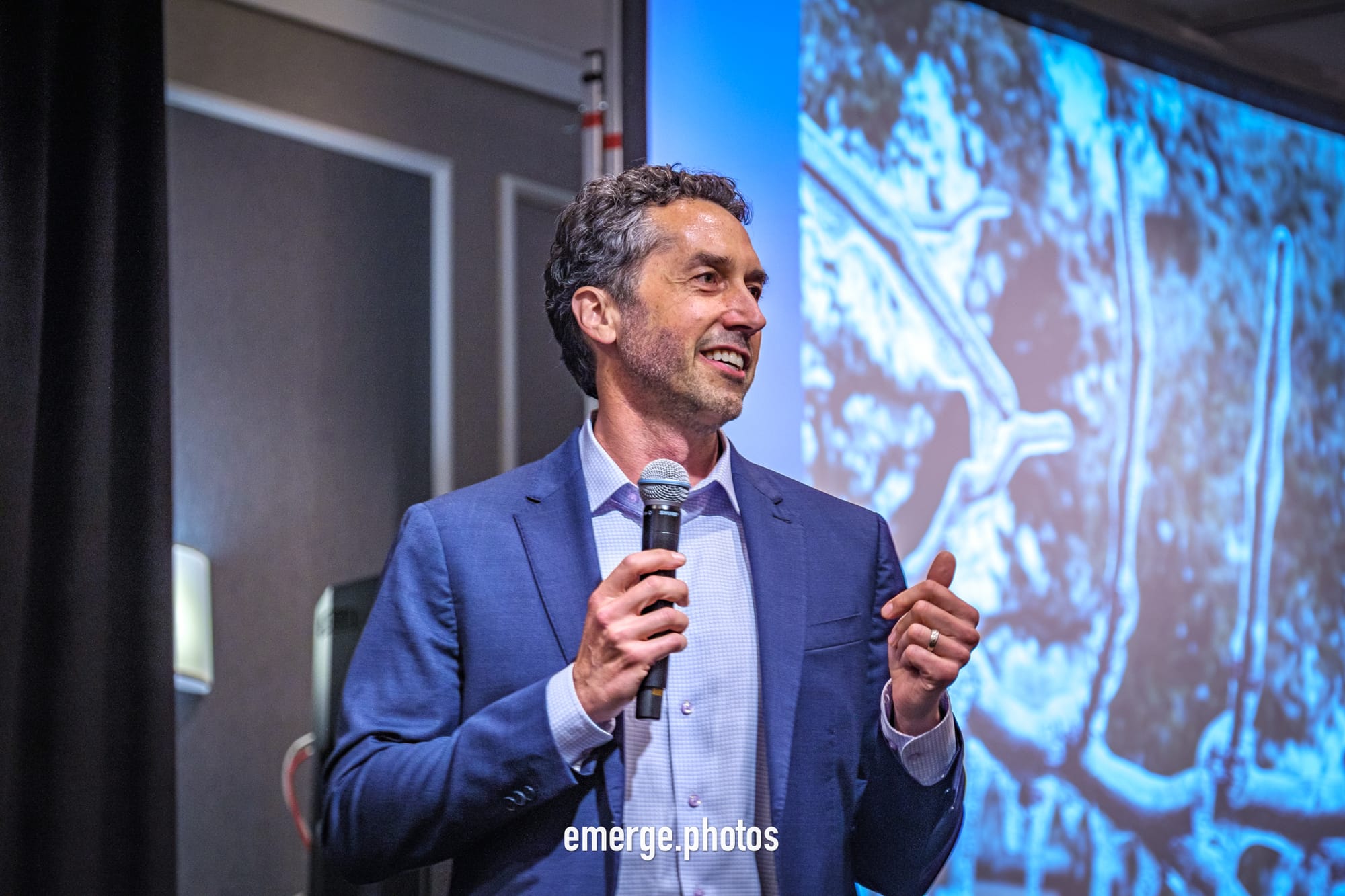
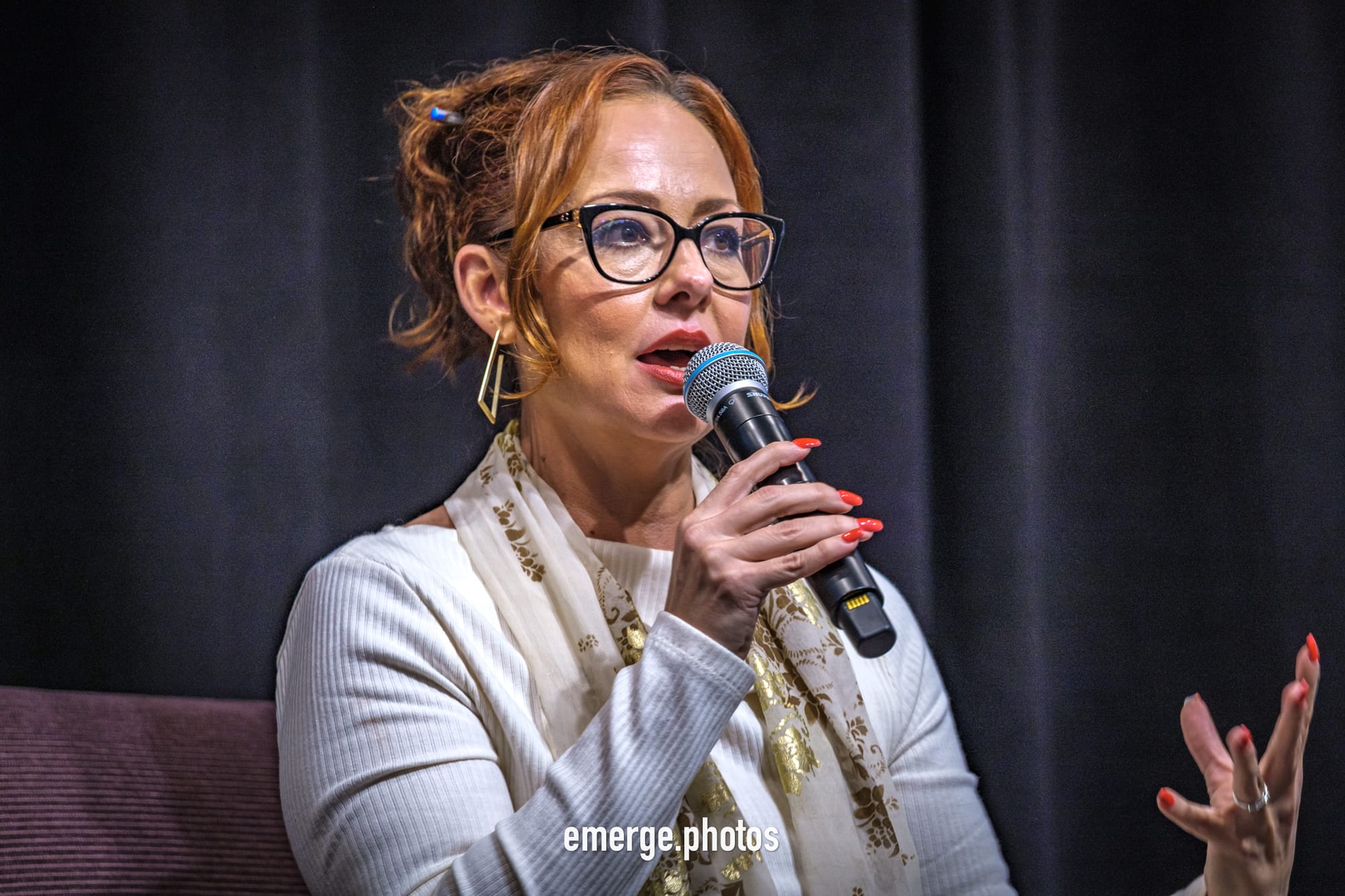
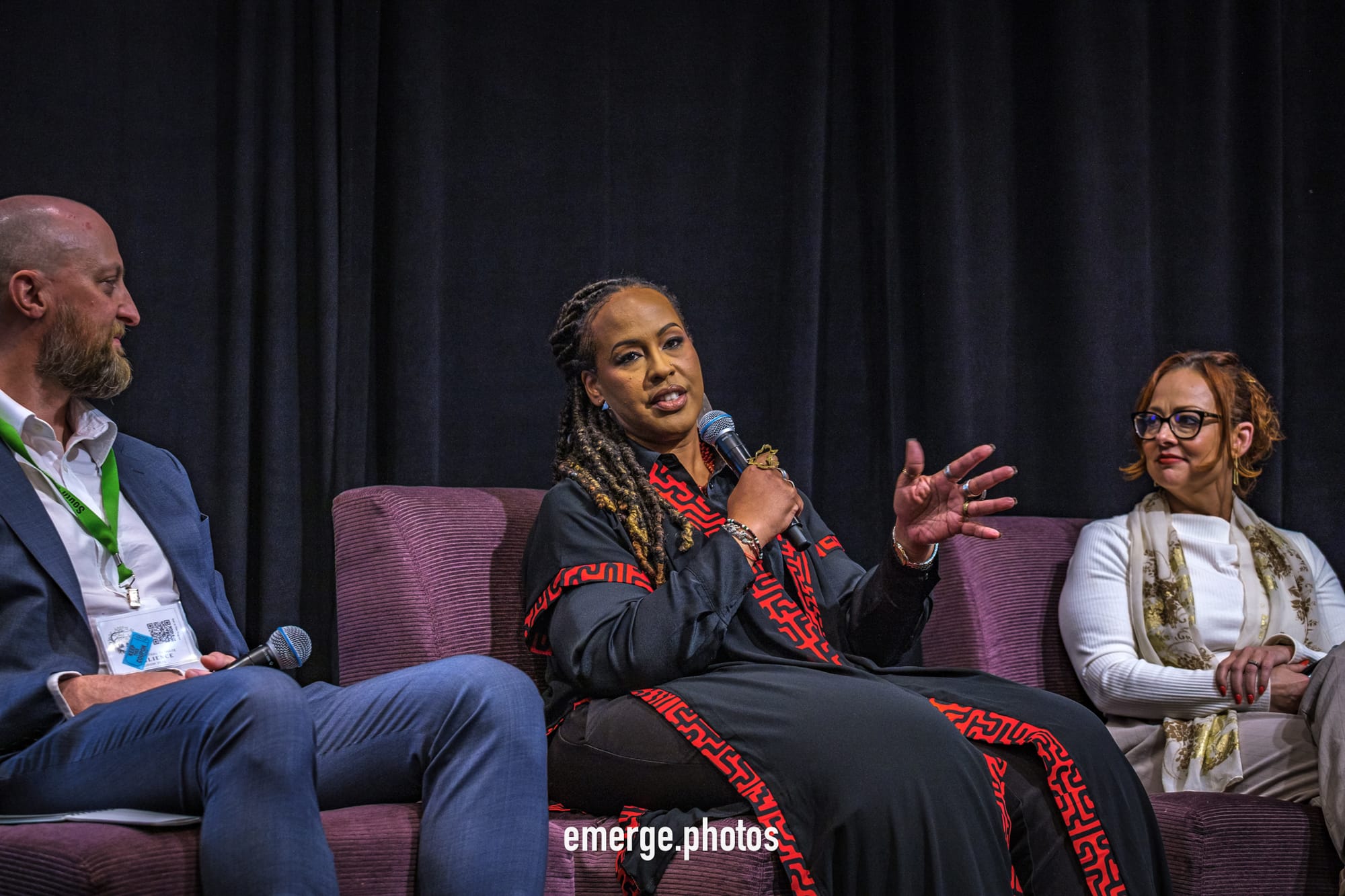
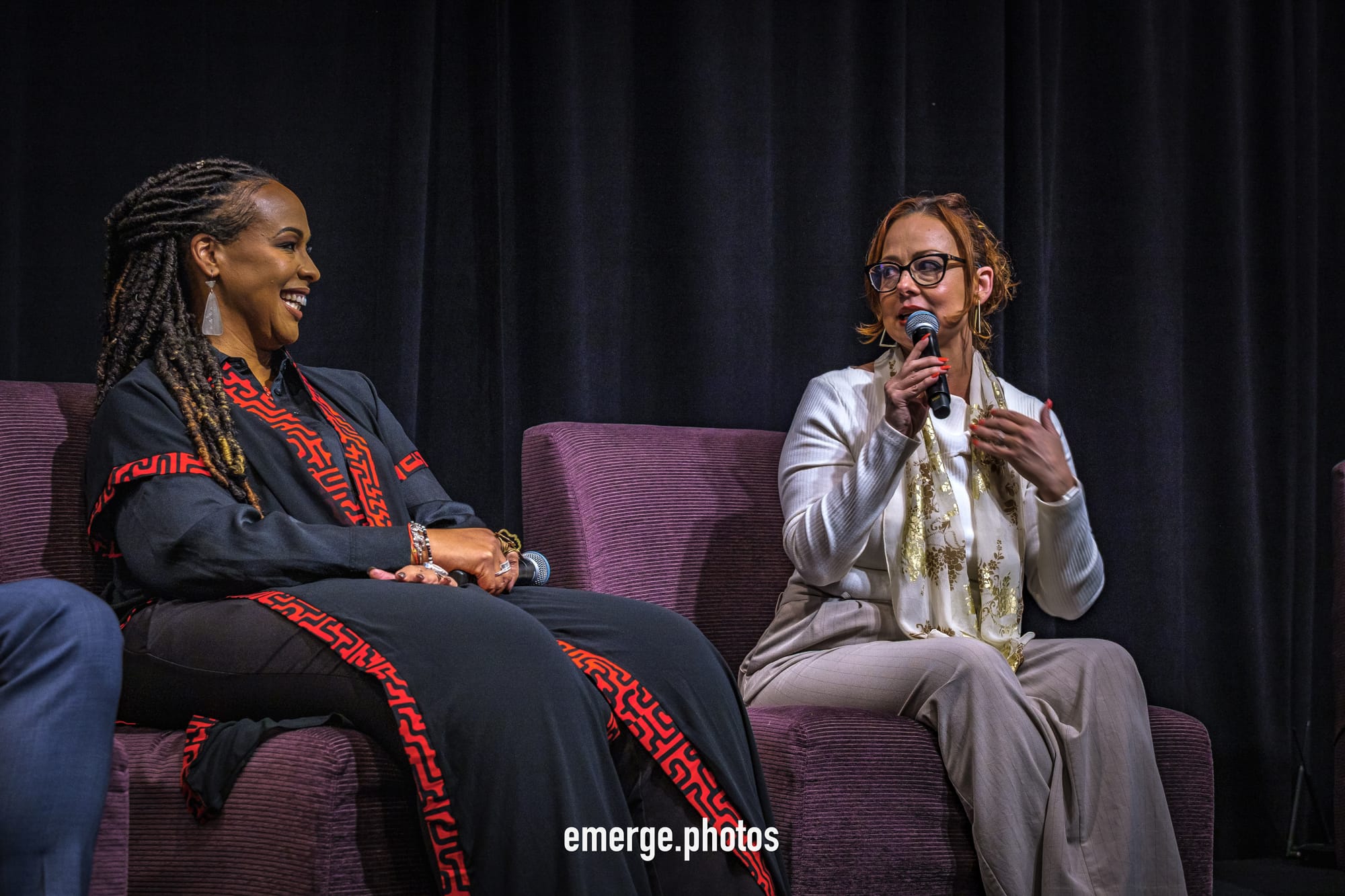
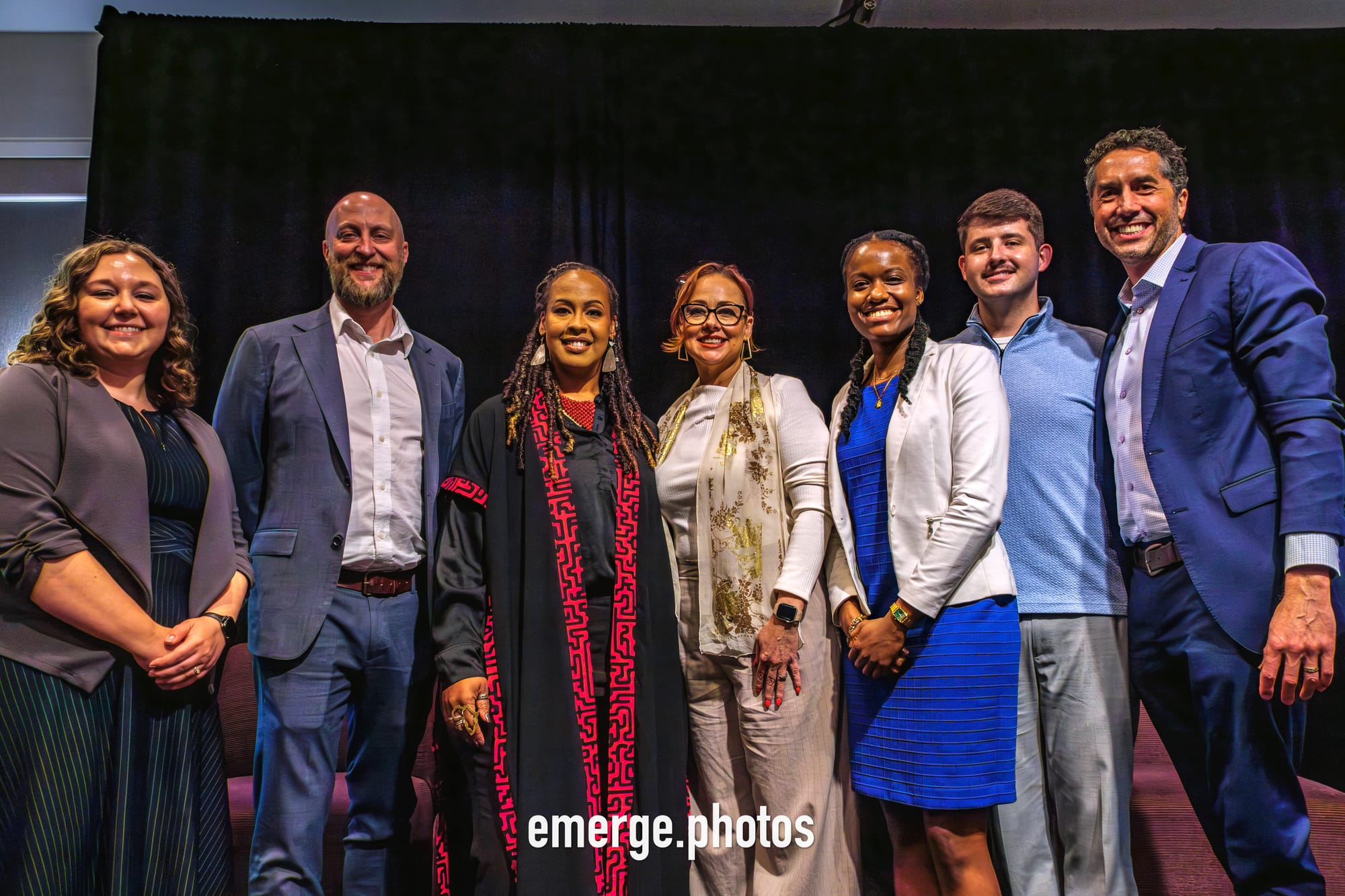
Clockwise from top left: Sascha Peterson, Nicole Alderete-Ferrini, Colette Pichon Battle, and Adam Parris. Images: Greg Harman
Her solution came as an uncomfortable call for many whose careers are built around setting and managing these community relations in the pursuit of incremental policy gains: surrender power.
“I think we could ask a different question: Whose decision should we follow? I personally believe … that the frontline communities should be making decisions and not necessary collaborating," Battle said. "That is oppressive. That is not goodwill. That is continued oppression. And you want me to sit at the table and give you my best thoughts? My best ideas? Under those conditions?”
When a fellow panelist admitted they simply, in truth, weren’t ready to “trust community,” a few claps echoed among the audience in the meeting room. It was an honest response, Battle allowed, showing the distance we have yet to travel.
-30-
Enjoy the full panel conversation above.
Deceleration will be updating our site with more conversations from the South Central Climate Resilience Forum (SCCRF) in the days ahead.