

A permit for a contested wastewater treatment plant that many experts believe will—if built—contaminate the Edwards Aquifer, an underground source of fresh water relied on by more than a million San Antonio area residents, should move forward. That was the decision this week by Administrative Law Judges Pratibha J. Shenoy and Shelly M. Doggett at the State Office of Administrative Hearings in Austin. While not the final word, the ruling was a boon for Lennar, the would-be developer of a planned 2,900-home subdivision development called Guajolote Ranch.
The permit, which would allow the plant to discharge an average of 1 million gallons of treated sewage into Helotes Creek just upstream of aquifer recharge features per day, now advances with that recommendation for consideration by the three TCEQ commissioners, a review process that could last into August.
For years now, everyone from San Antonio’s Metropolitan Health District to local landowners, from the nonprofit Greater Edwards Aquifer Alliance (GEAA) and the Scenic Loop-Helotes Creek Alliance (SCLHCA) to San Antonio Mayor Ron Nirenberg, has been pushing back against this permit. (At least until Metro Health reached a settlement with Lennar to drop its opposition, an agreement since criticized by area landowners.)
Reactions to the judges’ recommendation on Monday among some of those who have been fighting against the permit have been, on the whole, stubbornly optimistic—while intimating potential legal action should the TCEQ commissioners ultimately sign off on the project.
A press release from the SCLHCA begins by asserting that “the matter remains far from over” and points to the fact that, even if approval is granted, “a district court battle could follow, if necessary.” The SCLHCA’s Randy Neumann added that “while disappointing, it is only a recommendation and not entirely unexpected,” and that the permitting process itself favors the developers considerably.
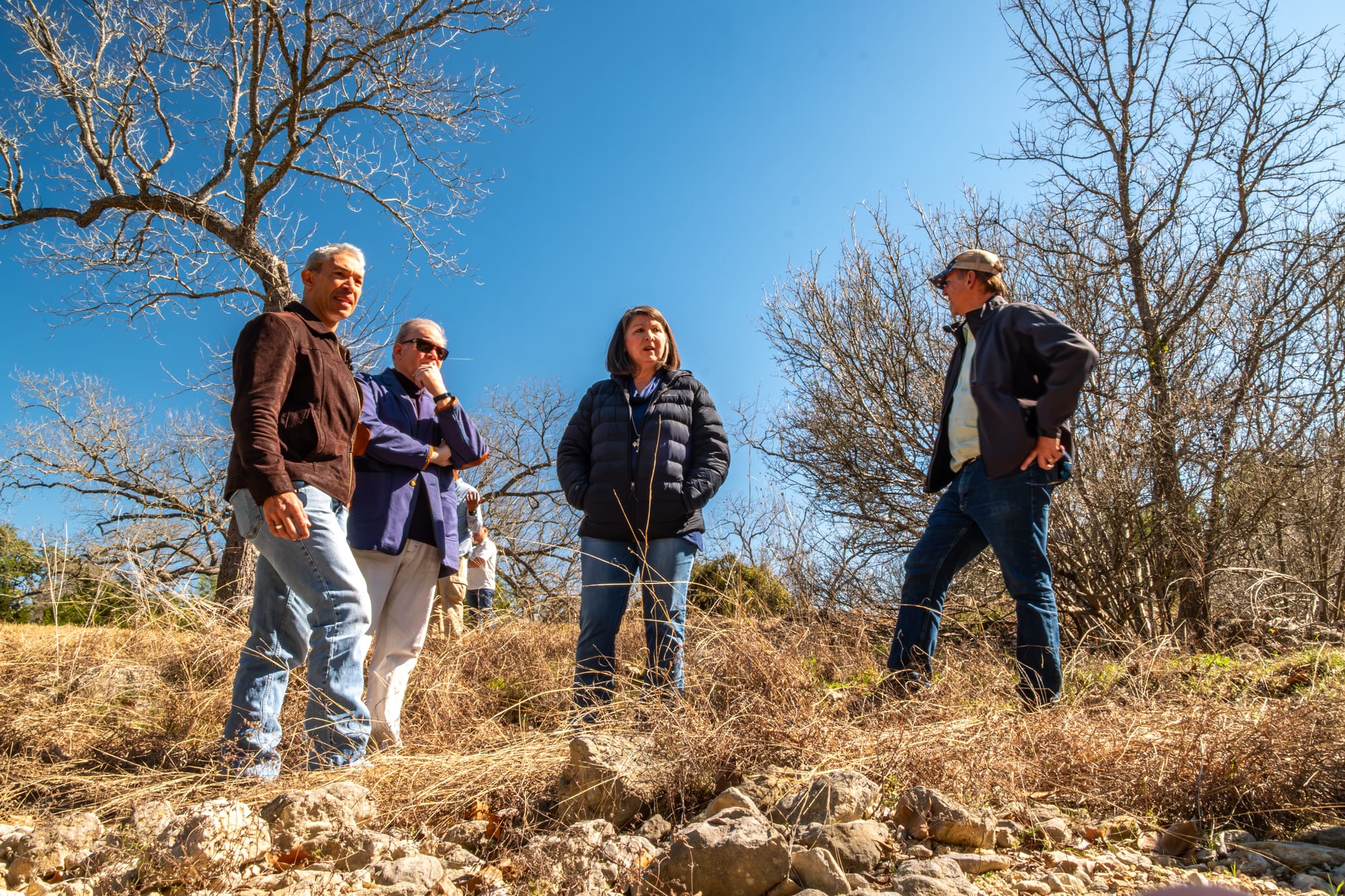
Related: February Tour of Helotes Creek
The group added that this recommendation flies in the face of the TCEQ’s own independent counsel’s conclusion that the permit would not sufficiently protect water quality, including surface water, groundwater and drinking water wells, and wildlife, including endangered species.
Annalisa Peace, GEAA’s executive director, told Deceleration that she was disappointed in the recommendation.
“The Guajolote case points to the need to tighten up TCEQ rules for wastewater permitting and, perhaps, to prohibit direct discharge of wastewater effluent into waterways that recharge the Edwards and Trinity aquifers,” she said.
The TCEQ, she said, “could engage in a rulemaking process on wastewater permits, which we have asked them to do for years.” Or, she continued, “the [Texas] Legislature could pass legislation similar to bills that have been filed at our request in the past.”
But, the aquifer folks aren’t the only ones who see the need to escalate this concern past this individual permit and directly to the functioning of the TCEQ and its rules.
Related: ‘Water at Risk: ‘Million Gallon March’ Decries Lennar’s Guajolote Ranch Development Plans‘
Lynette Munson’s property, which has been in her family for generations, abuts Guajolote Ranch and contains the Helotes Creek headwaters. She told Deceleration that she was upset but hardly surprised by the judges’ recommendation.
She’s concerned about the integrity of the shallow well water that she, like many others in the area, relies on. She’s also worried for the land itself, which has long been more than a mere backdrop in her life, expressing concern for the impact on grazing animals. Would you eat deer meat if you knew the animal had been drinking treated sewage and eating possibly tainted vegetation? she asked.
“They don’t see the land or water as important—to them it’s a dollar amount,” she said of the would-be developers.
Munson criticized the TCEQ for allowing the permit to go this far.
“My understanding of what TCEQ did was that they were supposed to protect us and look out for the environment, but the only thing that I ever hear from TCEQ is ‘Well, that’s not what the rule says’… Well maybe it’s time to change your rules,” she said.
Munson intends to continue lobbying on the legislative side for measures like House Concurrent Resolution 121, which urges the TCEQ to “take immediate and decisive action to protect the Edwards Aquifer.”
“We really need to look at TCEQ as a whole,” she said. “Are they really marching to their mission statement?”
While Mayor Ron Nirenberg did not respond to multiple messages about the ruling by press deadline, Neumann’s assessment of TCEQ in the SCLHCA’s release was just as damning as Munson’s.
“TCEQ representatives introduced no new scientific evidence—only outdated policies that have contributed to Texas becoming the nation’s top discharger of toxic substances into its own waterways. Historically, TCEQ has enabled environmental degradation rather than prevented it.”


