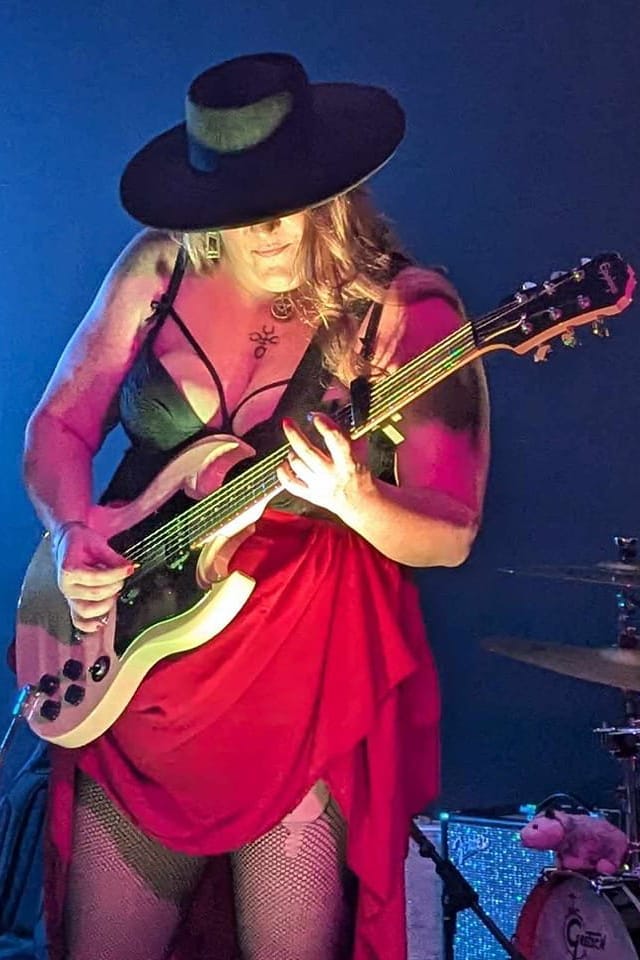
Editor’s Note: Though we had talked off and on for a while about publishing creative work alongside our usual news and analysis nonfic, it wasn’t until someone sent us a poem basically unbidden—Charles Darnell’s “Once There Was Ice,” below—that the idea took wings. A couple days later, Shelley Ettinger sent us her devastating poem “They Want to Kill Greta Thunberg,” and there was no looking back. Unavoidably this summer, though, Darnell’s poem about vanishing ice called to mind others kind of ICE and vanishings both, and the theme for our first creative review presented itself. We put out a call for submissions on social media, and despite the tight turnaround, a powerful surge of creativity crashed into our inboxes. We’re honored to be able to publish some of these pieces here, and reminded too of the sacred role held by artists and writers in times of authoritarian constriction—which is to remind us that, no matter what they tell us or what they do, we are and remain free, inalienably. — Marisol Cortez, Executive Editor
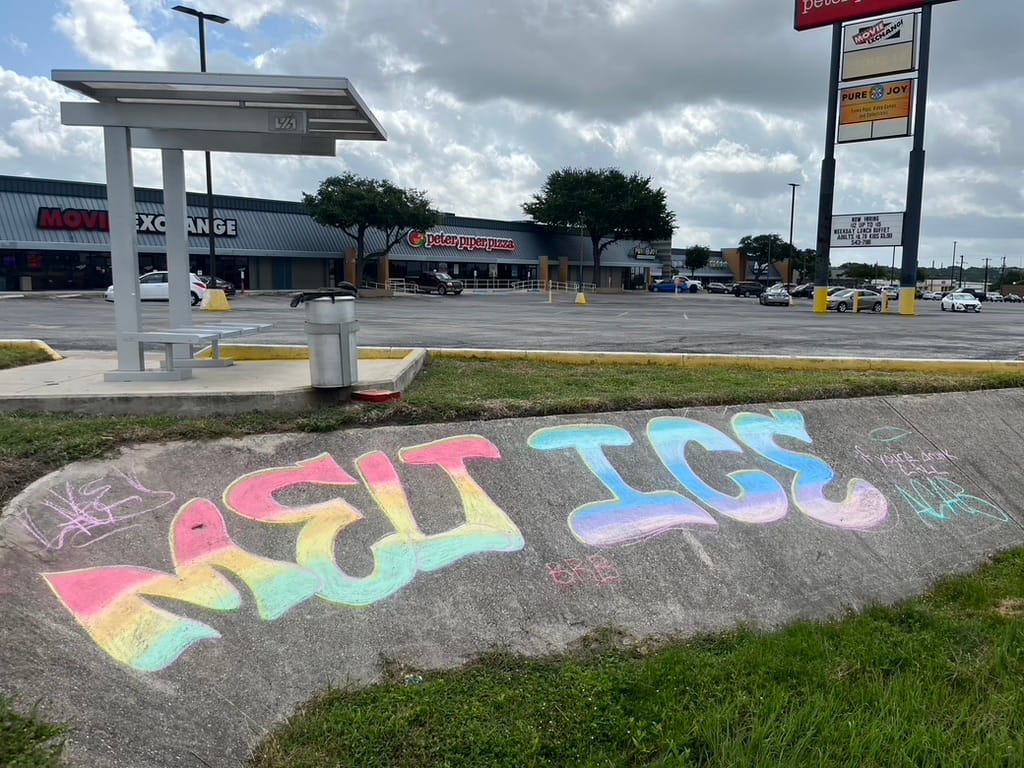
A.J. Floyd, “Vanishing Neighbors”
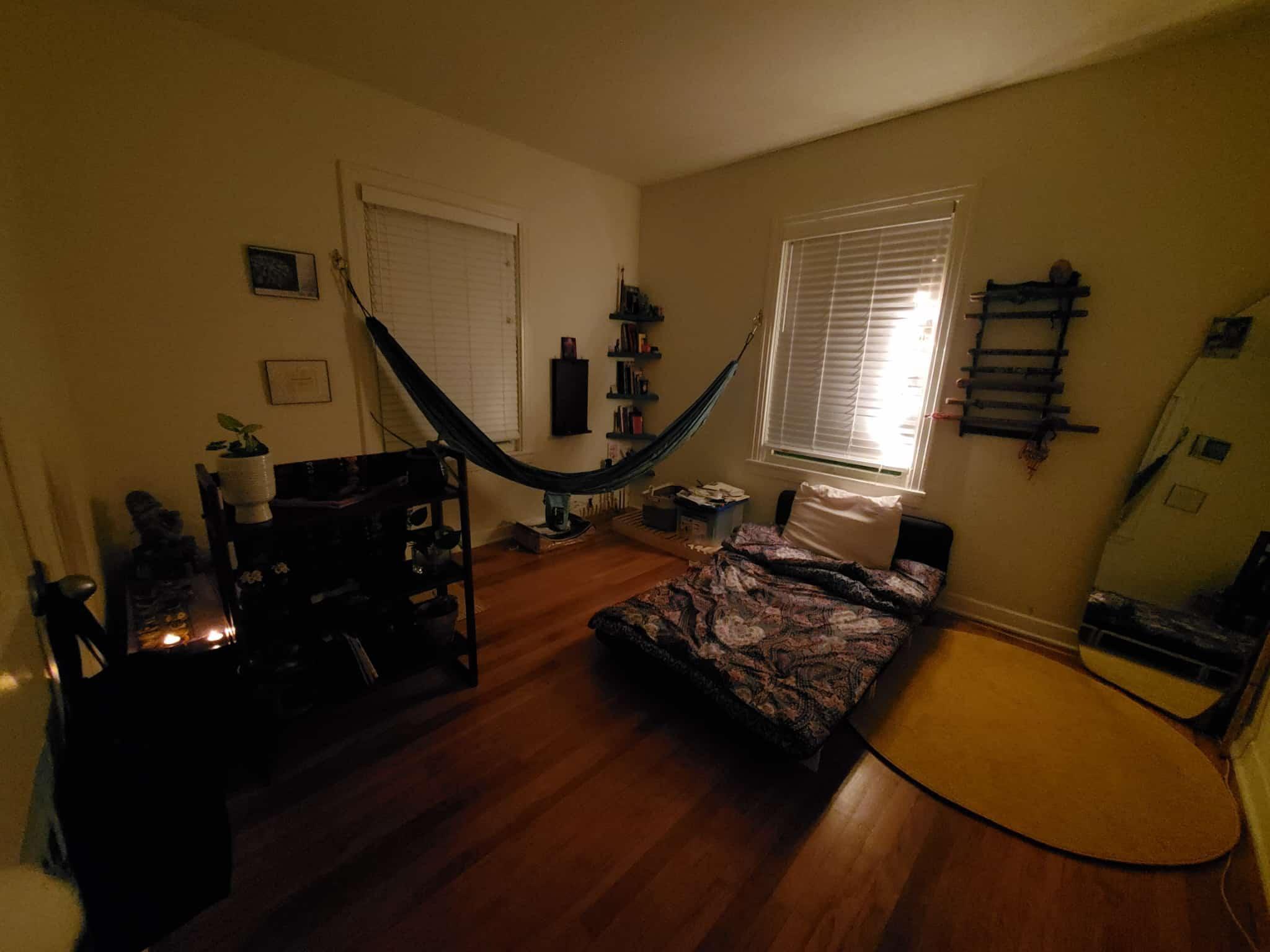
“Both of these issues—that of people being destroyed and exploited and that of the earth being destroyed and exploited—are incredibly close not just to my heart but to my home, the house where I live and host friends and drink water from the Edwards.” — A.J. Floyd
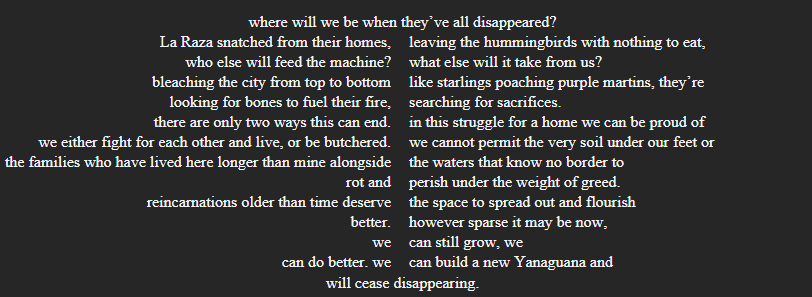
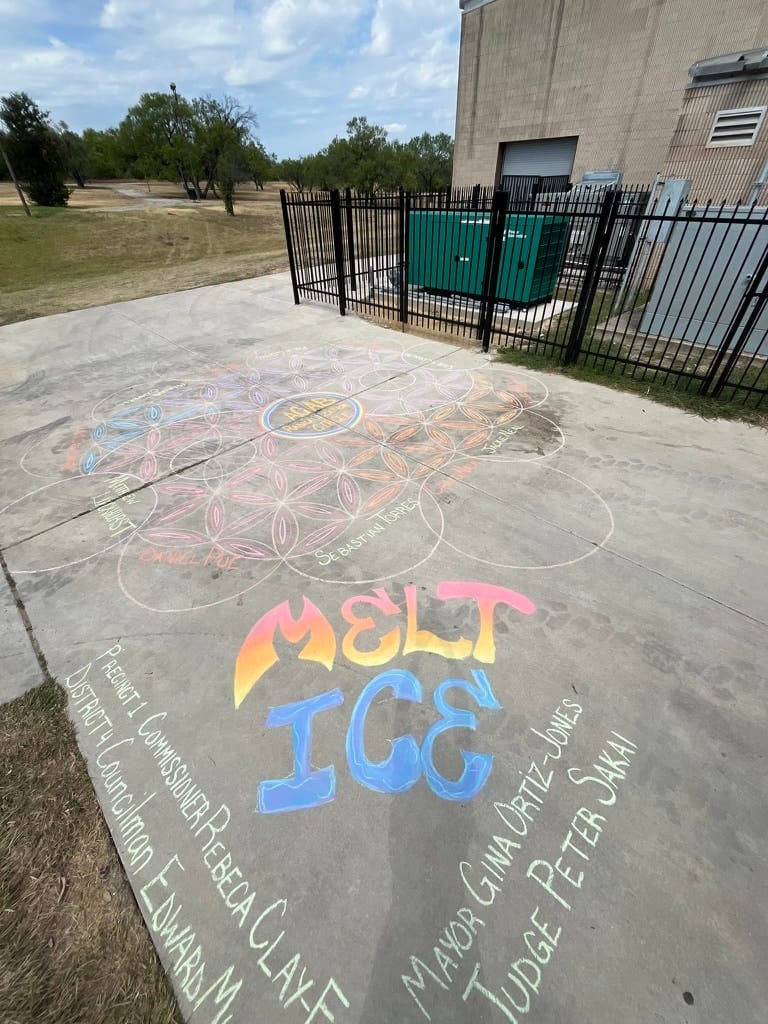
Lakey Hinson, Melt ICE 1
“Going to my Google MyMaps shows where these pieces were created, along with hundreds more art pieces. That and the police interactions over the recent years where police harass me over the chalk.” —Lakey Hinson
Charles Darnell, “Once There Was Ice”
—Here comes the sun.
George Harrison
His dry words whispered from a wrinkled mouth,
“There were polar bears once, they lived on the ice,
hunted fat swimming animals called seals. There was ice once.
You don't know ice.”
We did not huddle,
too hot for that, even in the shade.
The sun burnt us if we went out,
even as it set. Only when it was dark
did we go to gather prickly pear
and mesquite beans.
We caught our sweat and piss in glass jars.
“I remember snow,” he said.
“It was ice crystals so light,
they floated like feathers. I think some of you
remember feathers.”
No night noises except feral dogs,
once man's companions, now on their own.
We are all on our own.
“We live in an oven of our own making,” he said.
“We used to bake bread in an oven. Now we just throw
dough on a rock.” Some of you are old enough
to remember real bread.”
The flat mesquite naan had no taste,
but it filled empty bellies.
We curled up in our spaces,
away from each other,
even the lovers, too hot for that.
Undocumented, “New Norm”
Some days,
I wonder if what I'm living is real If what I saw was real,
If what I felt was real,
If what they did was real,
If what they’re doing now is real,
If what’s happening is actually happening.
Some days,
I ask my parents to leave with me.
They stay quiet
and stare at the floor.
Some days,
I wonder if they’ll snatch my dad
Will they see
the wound still fresh
from his heart surgery,
and just guide him quietly
onto the bus?
Will they notice
my mom’s knees
aren’t what they used to be?
Will they understand
that migration is in our blood,
our bones
that we’ve moved
for generations?
Some days,
I wonder if all of this
is playing out in my head,
like that movie Straw,
and maybe it’s already been lost.
Maybe I’m the one
still in denial.
Some days,
I wonder how those who care
manage to sleep at night.
How do we rest
enough to wake
and face this again at dawn?
How do we sit beside
people numbed out,
who laugh and post and sip lattes
while everything burns?
Some days,
I wonder if my ex
the one who claimed to be
original descendant
saw me as an opportunity
to look more rooted,
more spiritual,
more profound.
But that would’ve been
too real,
too honest
and privilege prefers
the shallow,
the individual,
the powerful.
Will life be better elsewhere?
Some days,
I promise myself:
I’ll leave
but only
if the universe lets me return
and fly with the monarchs.
I’m not sure
my heart can take much more.
The volcanoes are erupting
like the multitude of the fed-up
working class, poor,
tired,
done.
Everything’s out in the open.
Nothing rests in the shadows
anymore.
Not in the churches.
Schools.
Fields.
Buses.
Jobs.
Not the stores.
Not the streets.
Not home.
Some days,
I just want to sleep.
Really sleep.
To feel like the roof,
the blanket,
the walls
are safe.
Are sanctuary.
Protection
from kidnapping,
from violent hands.
Some days
every day
all the time
this is the new norm.
But
it won’t be
Forever.
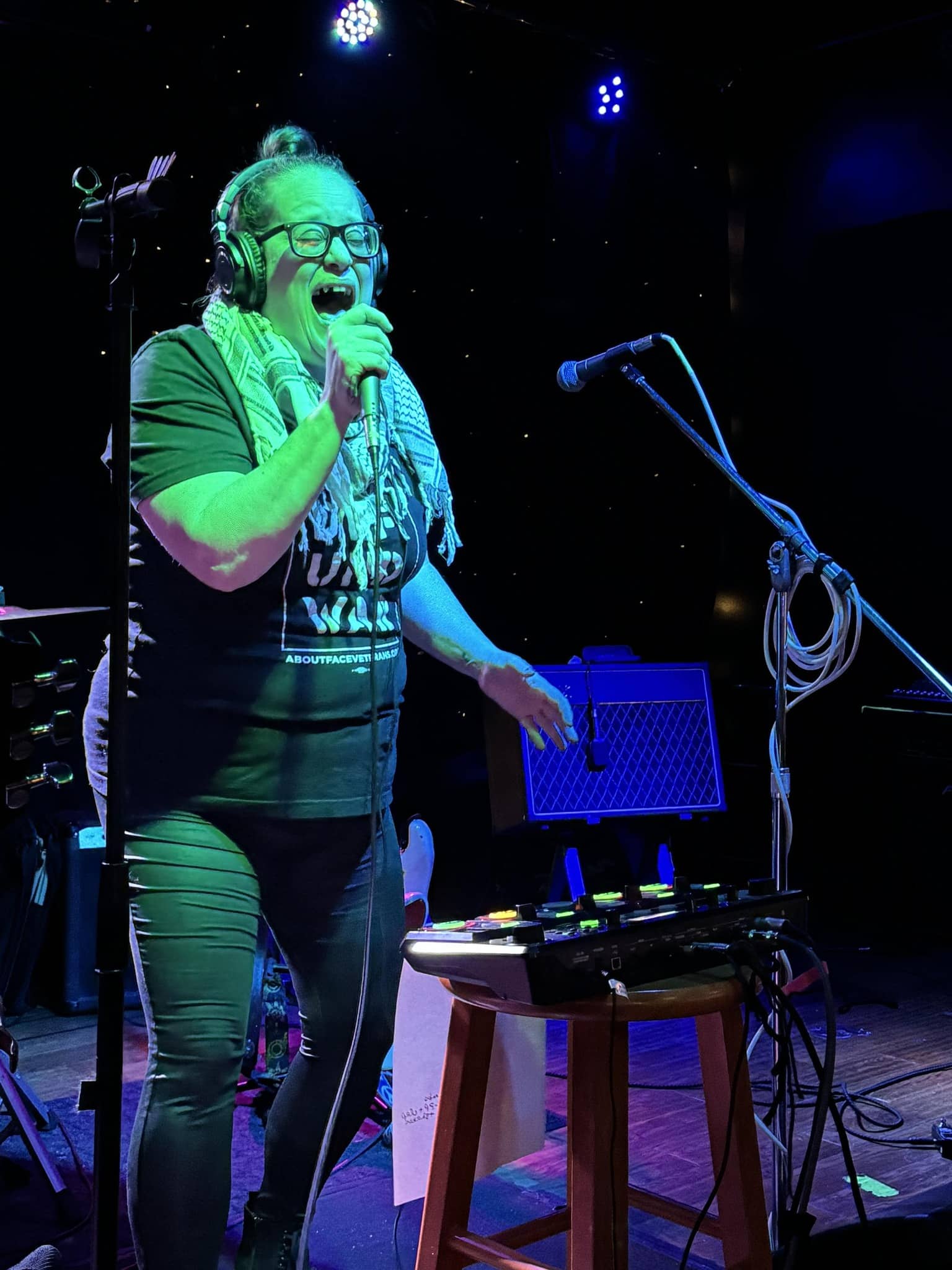
Jules Vaquera, “Disobey”
“This is a song I have yet to release, so I have attached a demo. Here is a link to the lyrics.” — Jules Vaquera
DISOBEY
Jules Vaquera & Stephan Gaeth
HEY, WE GOTTA DISOBEY / WE GOTTA DISOBEY, YEAH
THE SLOW DRIP OF PROGRESS THROUGH THIS FUCKIN SYSTEM
HAS BEEN AND IS COSTING LIVES / THEY TELL US TO BE PATIENT
THESE THINGS TAKE TIME / WHILE OUR FRIENDS AND FAMILY DIE
WE SAY WE NEED HEALTHCARE / AND WAGES TO LIVE ON
THEY SAY HELP IS ON THE WAY / THEY MAKE BIG PROMISES
AND TELL US TO VOTE / AND WONDER WHY WE’RE LOSING FAITH
WE CAN’T JUST WISH IT AWAY, THE TIME HAS COME TO DISOBEY
ALLIGATOR ALCATRAZ ON A T-SHIRT
IS A THING THAT YOU CAN OWN
MASKED MEN ROLLING LIKE A THIEF IN THE NIGHT
CONCENTRATION CAMPS RIGHT HERE AT HOME
I WANNA BURN BUILDINGS UNTIL THE RAIDS STOP
CAPITAL IS ALL THEY KNOW / THE MORE WE DESTROY
THE WEAKER THEY GET / RALLY UP IT’S TIME TO GO
Lakey Hinson, Melt ICE 2
Undocumented, “Barilla Street”
The 5 wooden triangles hang alone in the corner of the room where the walls meet. A hammock that can withstand 500 pounds, or so they say, hangs in front diagonally from those 2 walls. They stretch out to meet my altar where I prayed for about 4 years, burning illegal candles late at night when my landlord wouldn't find out. There, I sobbed, laughed, and expressed my gratitude. Above it all the Indigenous cosmology I was learning. They were activating blood lines, returning me to my root.
I stare at the bare walls and some marks from the old painting I did. It was the first time I painted like that. The Frost Bank ripped in half by the elder tree that once stood there proudly. A massive thorny rose enveloping the Tower of the Americas, and flowing rivers splitting the suffocating concrete on Cesar Chavez. Ah what a sight. My eyes glance at an obvious burn mark with wax and, with a deep sigh, I use my coco to figure out how to remove it seamlessly so I can get my security deposit back. Once it's practically… kind of subtle, I sit in the corner where the bed used to be. I'm not sure how to say goodbye to a life and space I loved so deeply. A lullaby emerges so soft I can still hear the birds chirping outside with the windows closed. I’ve heard that “gratitude expressed in song is the best prayer.” Before the farewell feels drawn out, I kiss each wall one by one, hoping to return.

Charles Darnell, “Water Lessons”
When crossing the scrub lands
most seasons, the dry creek beds
may hide pools under hollowed out
ledges. Look for bends
in the creek’s meanderings.
The border patrol knows where
to wait, like lions at the water holes
in Africa.
Watch for dust plumes from patrol cars,
glint of sun on hidden windshields
or binoculars.
When it rains, catch what you can,
but stay out of the arroyos.
Flash floods will carry you for miles,
dead or alive.
If crossing in winter,
ice may form in the water casks
left by the well-meaning.
Find a piece of flint, not limestone
to break out chunks.
Drink whenever you can,
even if not thirsty,
thirst will kill you long
before you starve to death.
Ceiba ili, “Altar Q: Prayers of a Migrant”
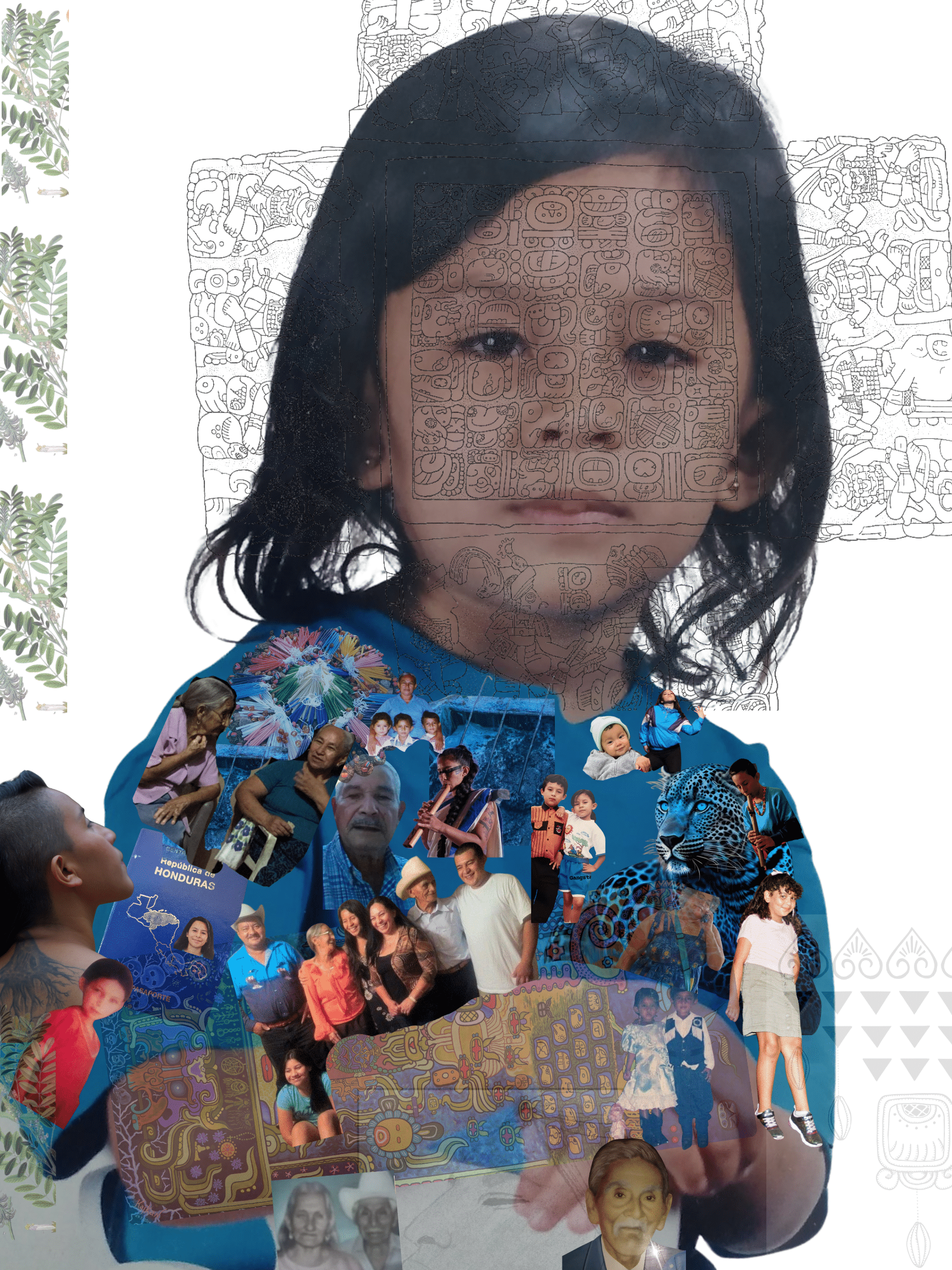
“The collage begins with my kindergarten photo, my face with the Altar Q, the inscribed stone monument of Copán, Honduras. Altar Q records the sixteen rulers of Copán’s dynastic line, carved into its four sides and crowned with hieroglyphic inscriptions. On the shirt, I layered images of family, ancestors, and Mayan fire offerings, weaving together lineages of memory and ceremony.
“Everything is held together by Maya blue, Jiquilite or xiquilite, the color that unites, protects, and connects. My grandmother’s father’s lineage worked with this pigment, preparing it from the indigo plant we call Jiquilite. Long before I heard their stories, this Maya blue presented itself in my dreams, as if the work of their hands had been guiding me all along.” — Ceiba ili
-30-
About the Artists
Charles Darnell is a member of the Maverick Poets and Hill Country Poets. His work has appeared in many literary journals, magazines, and anthologies. He is a two-time finalist for the Julia Darling Memorial Prize. His poetry collection, Toward Human, was published by Kallisto Gaia Press in 2022.
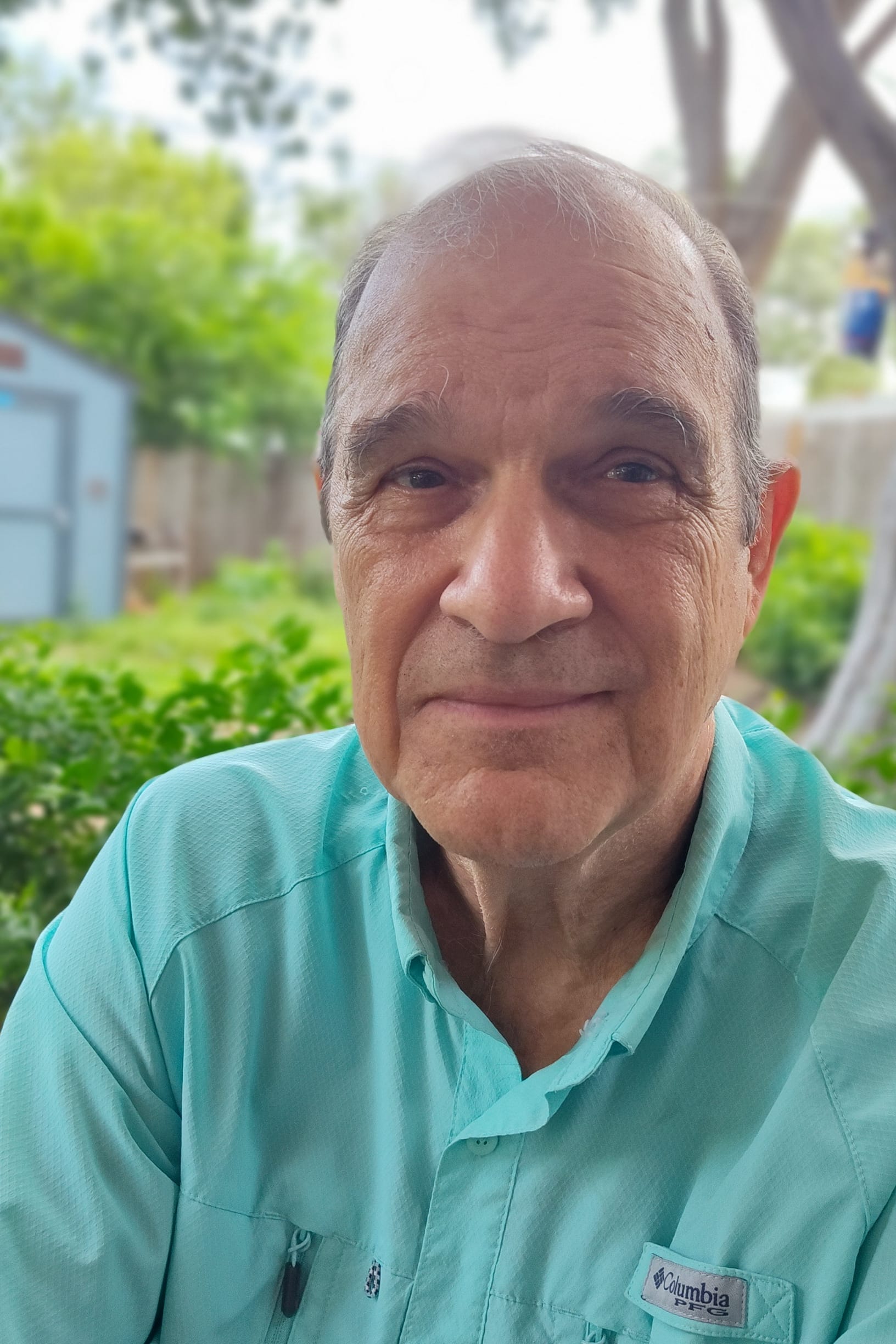
A.J. Floyd (Aria) was born and raised in San Antonio, Texas and takes inspiration from the diversity and vibrant life the city and its people have to offer. When they aren’t agonizing over writing problems they’ve caused themself, they enjoy weaving, shuttle-tatting, reading, and volunteering with the Esperanza Peace and Justice Center. Having had a passion for poetry for roughly fifteen years, they would like to credit Dr. Webb and the Philosophy and Literature Circle for helping them cultivate the confidence necessary to share their love of poetry with others outside of what a class syllabus calls for. They’re currently a student at UTSA and hope to graduate with a degree in Multidisciplinary Studies. Frequent themes in their writing include culture, queerness, disability, community, and sociopolitics. You can reach them at a.j.floyd.writing@gmail.com, or by checking behind the concession booth at an Esperanza event.
Lakey Hinson describes himself as a
traveling street artist 🚞
🎨&🌐🎥for hire 💸
human compass🌪️🔥& 360° video
Ceiba ili is a cultural educator and musician from Central America. Her work bridges the worlds of migrant communities and Indigenous rights and promotes environmental justice. She has served as Deceleration’s calendar editor.
Jules Vaquera is a radical feminist, anti-imperialist, queer, anarchist songwriter and activist. Her music has two focuses: personal healing and social justice issues. She heals both by processing her emotions through song, and by writing music that contributes to her fight for justice—a fight she takes part in as a way to heal the deep regret and shame she feels around her military service. She performs both solo and with her band The Guillotinas. The band has a new album dropping in just a few days, and a show to celebrate it! 10pm on September 3 at Jandro’s on the St Mary’s Strip.