

As millions of Texas residents begin their summer with unprecedented May heat and intense drought, many will be flocking more to their favorite swimming holes. The San Marcos River, known for its clear spring-fed water, is a regional favorite, where that popularity is often attested to struggles over keeping the waterway clear of waste from aquatic revelers. But this unique watery Texas hub is feeling pressures of rapid growth and intense drought. Last October, to help preserve the natural environment that all residents rely upon, the city adopted a comprehensive plan to guide future development. But already exemptions to these protections are being sought by proposed water- and power-hungry data centers.
Data centers, already contributing to a statewide water and energy strain, are facilities housing banks of computer systems for the storage, processing, and distribution of large amounts of data. They require large amounts of energy to operate and water for cooling systems to keep the equipment from overheating. Two developers have advanced plans to develop data centers in San Marcos.
In March, members of the city’s planning and zoning commission were skeptical of rezoning requests to the comprehensive plan, ultimately recommending City Council reject the proposals.
“The San Marcos river doesn’t belong to me: it belongs to all of us…I’m not willing to support this if there is even the slightest chance of harming that river,” said Commissioner Van Oudekerke.
“The only pros I’ve heard is that it generates tax dollars. So if we start making our decisions based on money, what’s that make us?” said Commissioner Jim Garber.
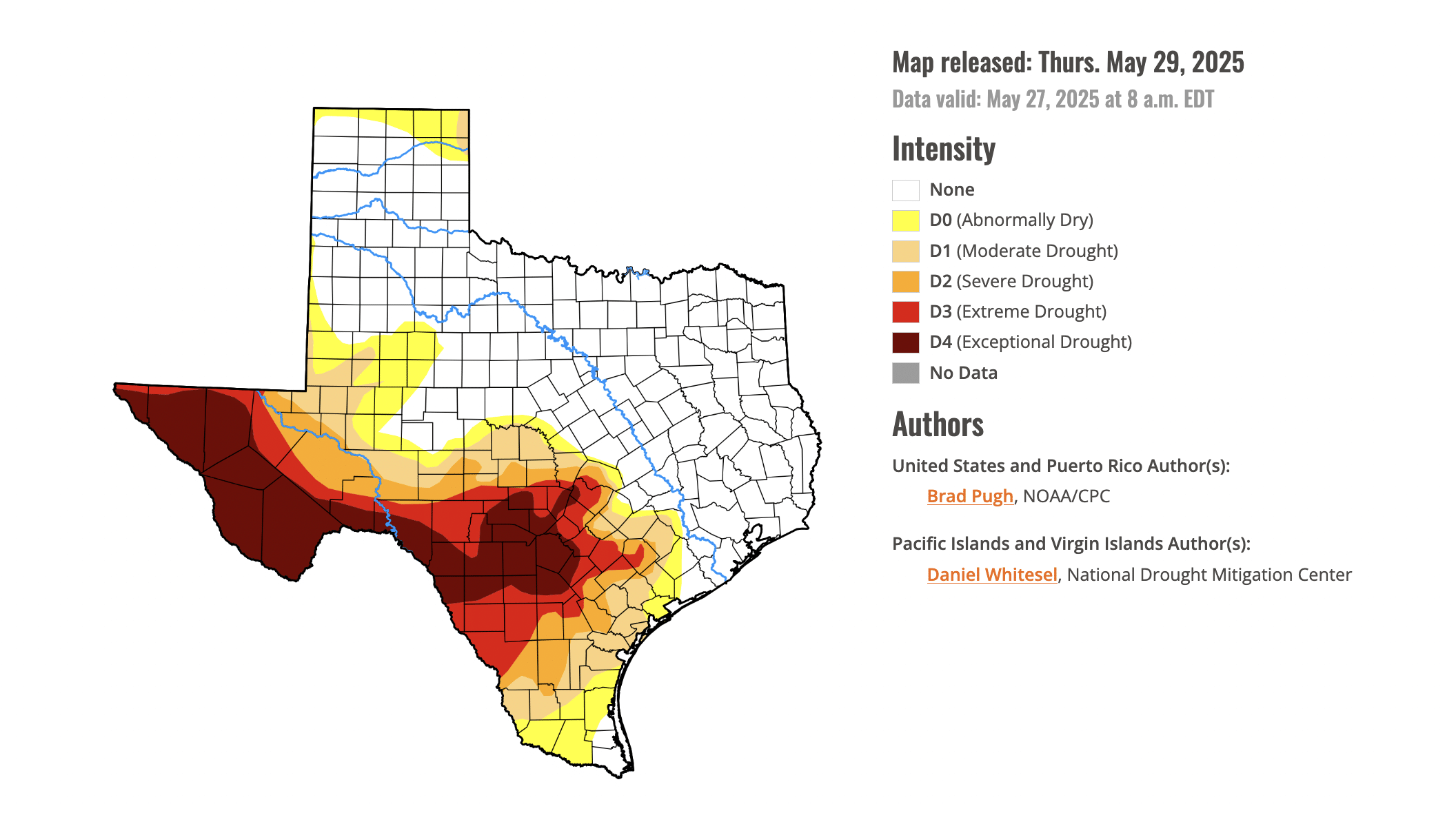
That rejection means to advance now will require a super majority vote in favor at San Marcos City Council. Area residents fighting the data centers are urging residents to turn out in opposition when the matter comes up for a vote on Tuesday, June 3, 2025.
Deceleration asked Texas-based researcher Sloan Rucker about the data center efforts in San Marcos. Rucker is a member of the Data Center Action Coalition, a group of area residents that describe themselves on Instragram as “the movement against data centers in Central TX.”
Myra Dumapias/Deceleration: If the city is serious about protecting its limited water resources, why, in your opinion, does the option for developers exist to exit the Extraterritorial Jurisdiction? How does this impact community strategies to protect natural resources, wildlife and local communities?
Sloan Rucker/Data Center Action Coalition: If the city of San Marcos is committed to protecting its limited water resources, it would not allow for developers to exit the Extraterritorial Jurisdiction (ETJ). However, time and time again we see politicians, not the people, choose profit over justice. This inherently weakens such community strategies to protect the local ecosystem, including its wildlife, and its human inhabitants.
Now, landowners are emboldened by a new state law, SB 2038, that allows folks on the outskirts of cities to petition to de-annex themselves from the ETJ to work with fewer regulations in their building process, leaving room for further weakening environmental protections.
As protections for natural land in Texas have always been tenuous and grow increasingly ineffective, we must become more creative in our approaches to resisting the industrialization of San Marcos, including AI data centers.
The claims both developers are making about their proposed data centers in the San Marcos-New Braunfels area appear to downplay their ecological footprint, magnify their positive economic impact, and insist on their essentiality. What are your thoughts about these claims?
Developer claims that they will strive to reduce their ecological footprint is greenwashing at its finest—or the practice of a company advertising itself as “green” or “eco-friendly,” when in fact they are not—to win buyers and earn additional profit. We are not convinced that the meager attempts to reduce the energy and water footprint of these centers will outweigh the disastrous impacts on local water, soil, wildlife, and taxpayers’ well being. CloudBursts’ pitches to maybe have a solar panel onsite, include wastewater retention ponds (laced with forever chemicals), etc.. would nonetheless exist alongside a gas power plant.
There is no eco-friendly AI data center. Developers insist that AI data centers are essential to try to normalize their role in society. While AI applied to entertainment and education may sound relatively harmless to some, we can’t forget the applications AI has in weakening the labor market, targeting Black and Brown communities, and mass surveilling.
We have existed for years without these monstrosities and we can continue to do so.
If these data centers are built, what is the long-term impact on the river, surrounding ecology, and people’s lives? Are the potential negative impacts reversible, in your opinion?
Right now, we’re facing several data centers straddling San Marcos and New Braunfels from different developers. If these data centers are built, their long-term impact on the river and local ecology and people’s lives will be massive. CloudBurst is in the floodplain of York Creek, a tributary of the San Marcos river. The options for water sources will suck our water dry, whether through potentially unusable brackish private wells or through Crystal Clear [Special Utility District], which sources from local rivers, lakes, and aquifers. The Edwards Aquifer was recently on Stage 5 water restrictions for the first time. We cannot allow big businesses to use up all our water while the residents of this area mindfully adjust our lifestyles to cut back our water usage. It’s not fair and we won’t stand for it. Data centers, even ones on “closed loop “ water systems, still generate tons of waste. According to some estimates, a single data center can use as much water daily as a 50,000-person town, an increase in capacity we can’t afford. At the end of the day, data centers are only built to be around for a decade or so; they are not sustainable or built not to last and they are not worth diverting land, water, and energy away from our communities.
The potential negative impacts of AI data centers are irreversible and would affect future generations to come. The introduction of pollutants like forever chemicals to the local soil, waterways, and livestock can never be undone.
Furthermore, allowing data centers into this region is an irreversible act that will lead to more corporate colonialism. CloudBurst claims it will “only expand if customer demand warrants it,” meaning if there is money involved we will see even more of these. It is a slippery slope we cannot allow. Our local counties do not want to become the next Canyon Lake or Lake Medina in the process of drying or already dried up. We don’t want to be the next Maricopa County—a drought-ridden data center hub that prioritized water for mega companies and as such has had to limit home construction in certain areas. We must demand people over profit.


