

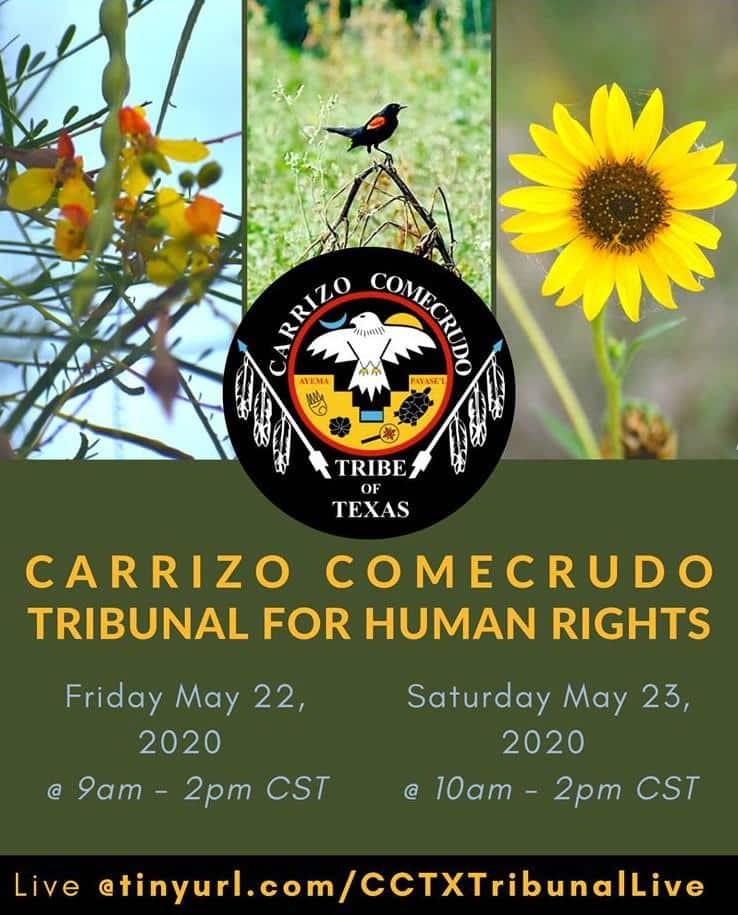
The upcoming Carrizo Comecrudo Tribunal for Human Rights connects the dots between petrochemical development, violence against Indigenous women, environmental justice, border militarization, and migration.
Marisol Cortez
When land or community wellbeing has suffered injustice, we often look to the courts to redress any rights violations. But what if the corporate and governmental actors responsible for these violations have an outsized hand on the scale? Where the outcomes of the legal process have been historically weighted against the rights of communities, Indigenous nations, and ecosystems—and especially where the conceptual roots of present-day violations are baked into the law itself—the people’s tribunal has emerged as a way for communities to bring cases against those who have harmed them, to hear evidence in a public forum, and to pursue their own visions of justice.
As an autonomous alternative to state-based legal authorities, people’s tribunals have been organized in response to war crimes, genocide, and other violations of human and Indigenous rights around the world.
More recently, an international people’s tribunal on climate justice emerged as a central demand of the 2010 World People’s Conference on Climate Change and the Rights of Mother Earth. On a local level, Appalachian communities have also used the people’s tribunal to call attention to the deep legacies of anti-Black racism exposed by the siting of fracking infrastructure in Buckingham County, VA; this local tribunal eventually became part of a permanent, or standing, people’s tribunal on fracking based in Rome.
According to the permanent people’s tribunal (PPT) on fracking, the rulings produced by PPTs are non-binding; however, “the legal standards against which defendants are judged are those expressed in broadly endorsed international human rights law.”
This Friday and Saturday, May 22-23, the Carrizo/Comecrudo Tribe of Texas will host a Native people’s tribunal responding to the myriad violations of human rights, Indigenous sacred sites, and ecological integrity unleashed in the Rio Grande Valley—traditional homelands of the Esto’k Gna (Carrizo/Comecrudo)—on account of intensifying extraction activity in the region (not to mention border militarization and wall construction.)
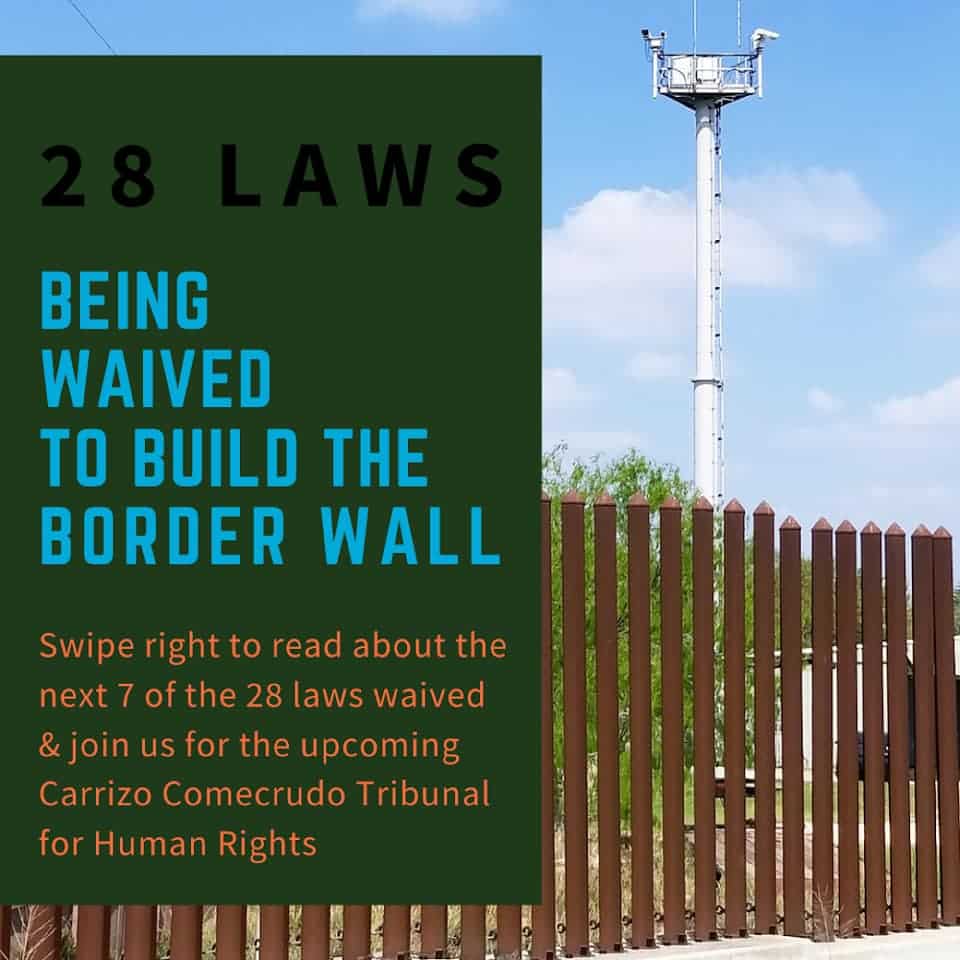
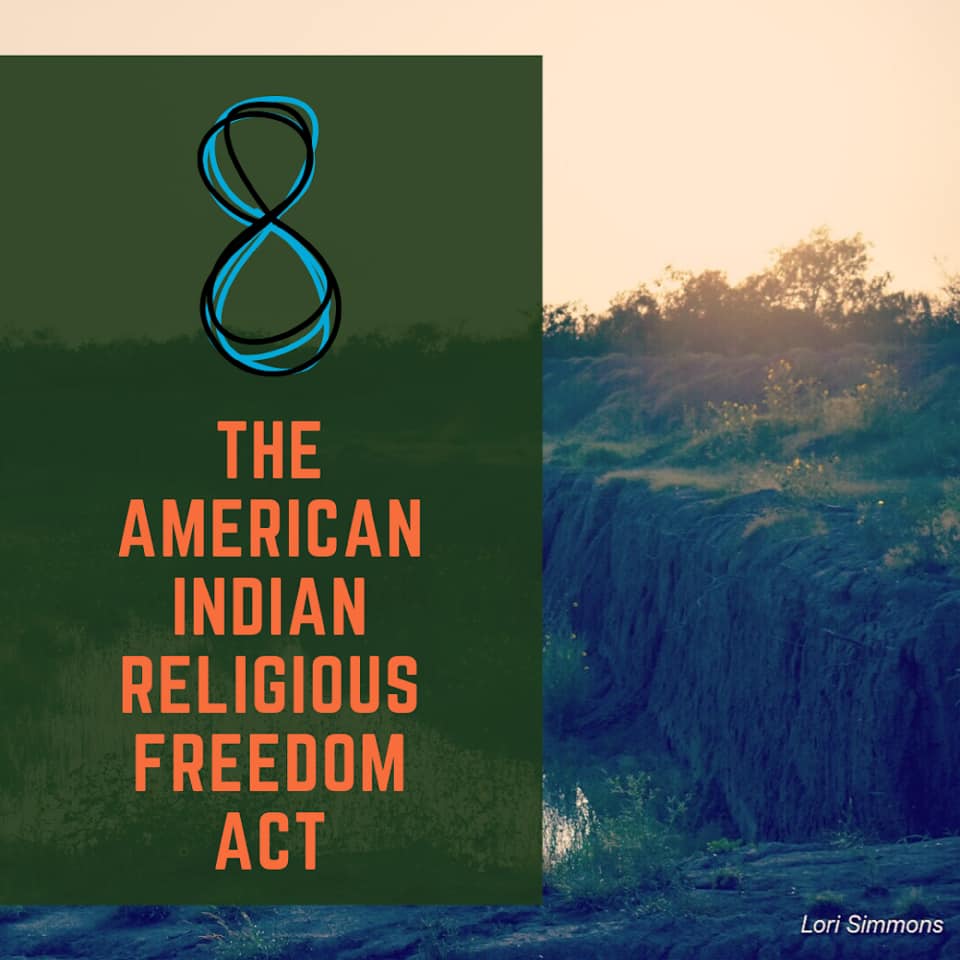
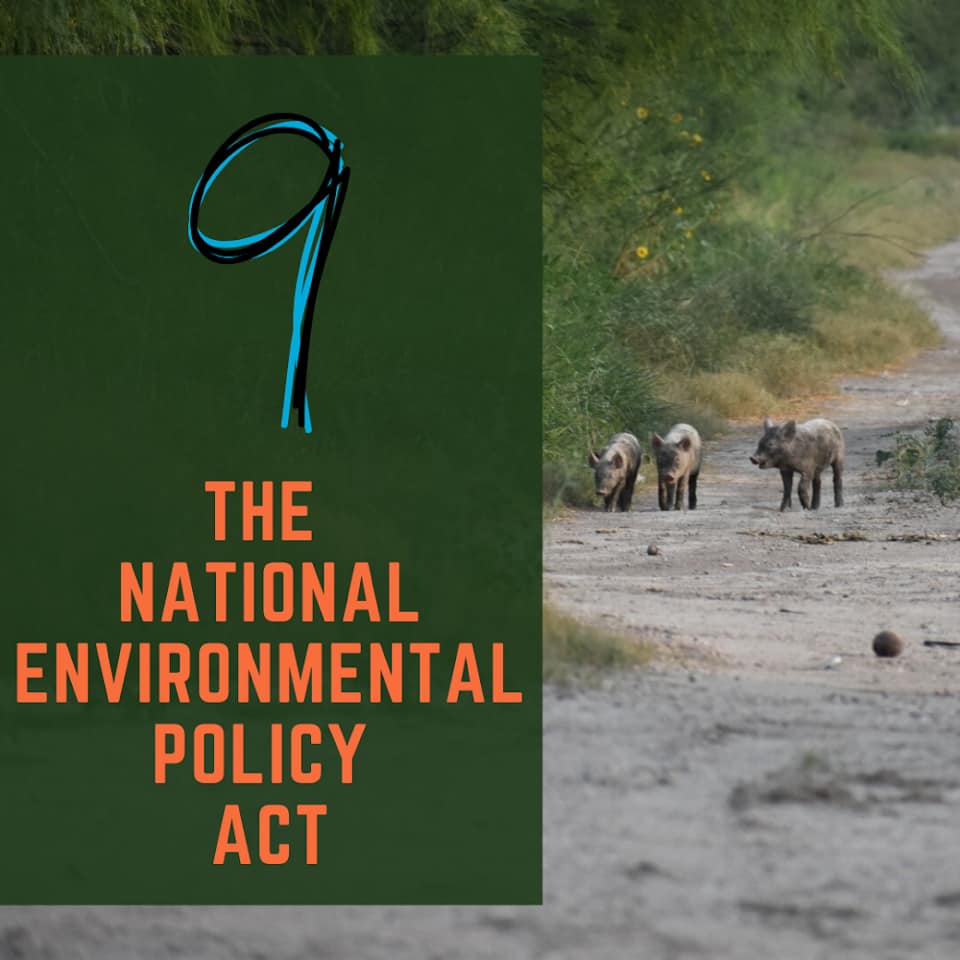
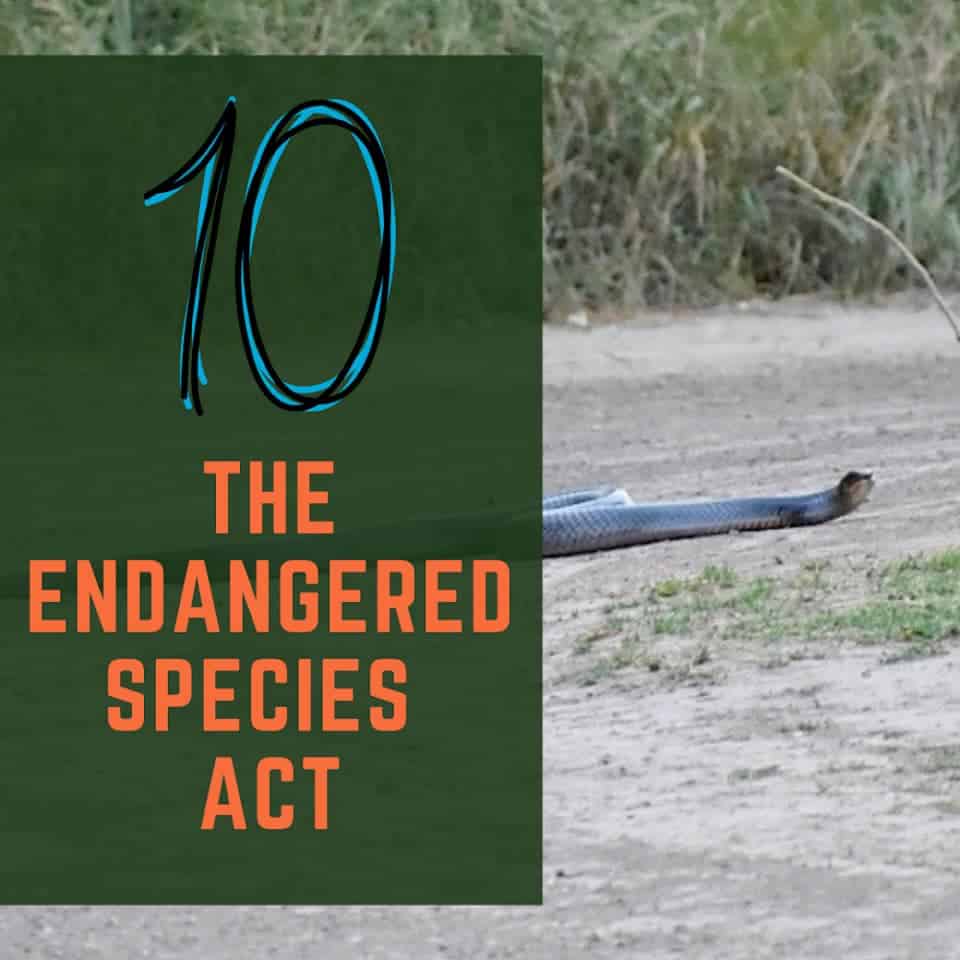
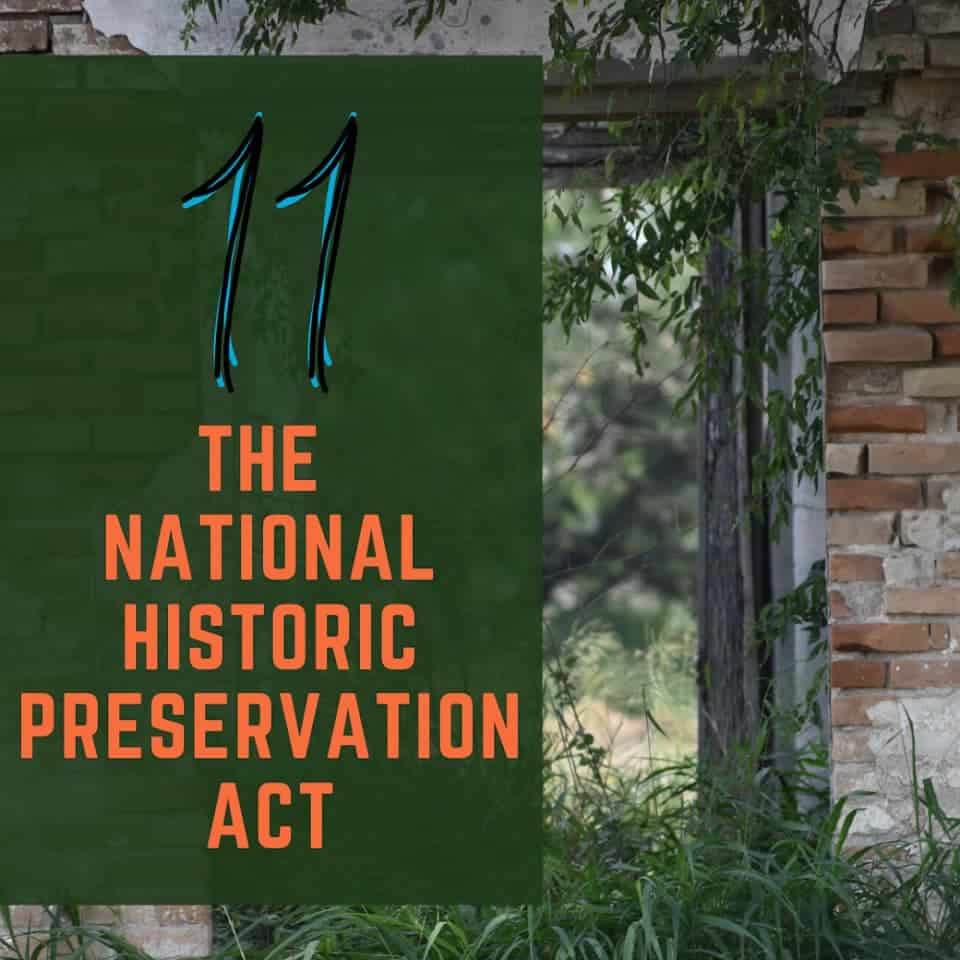
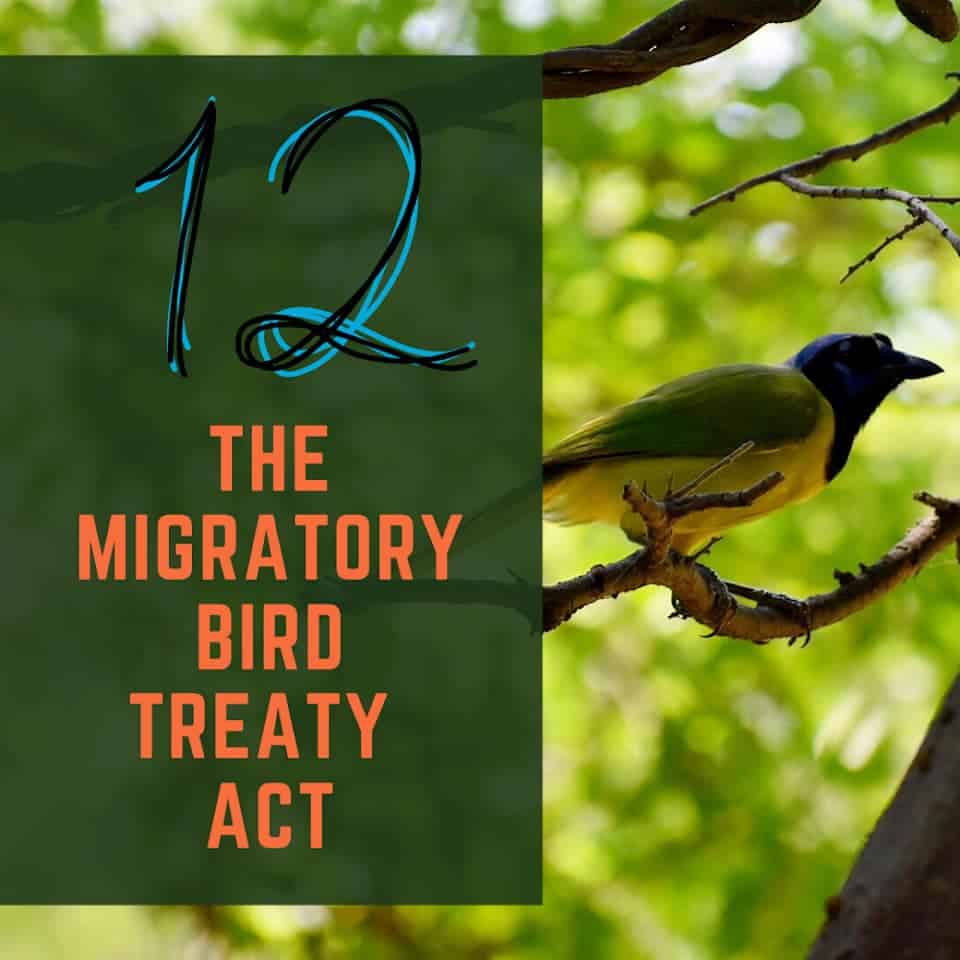
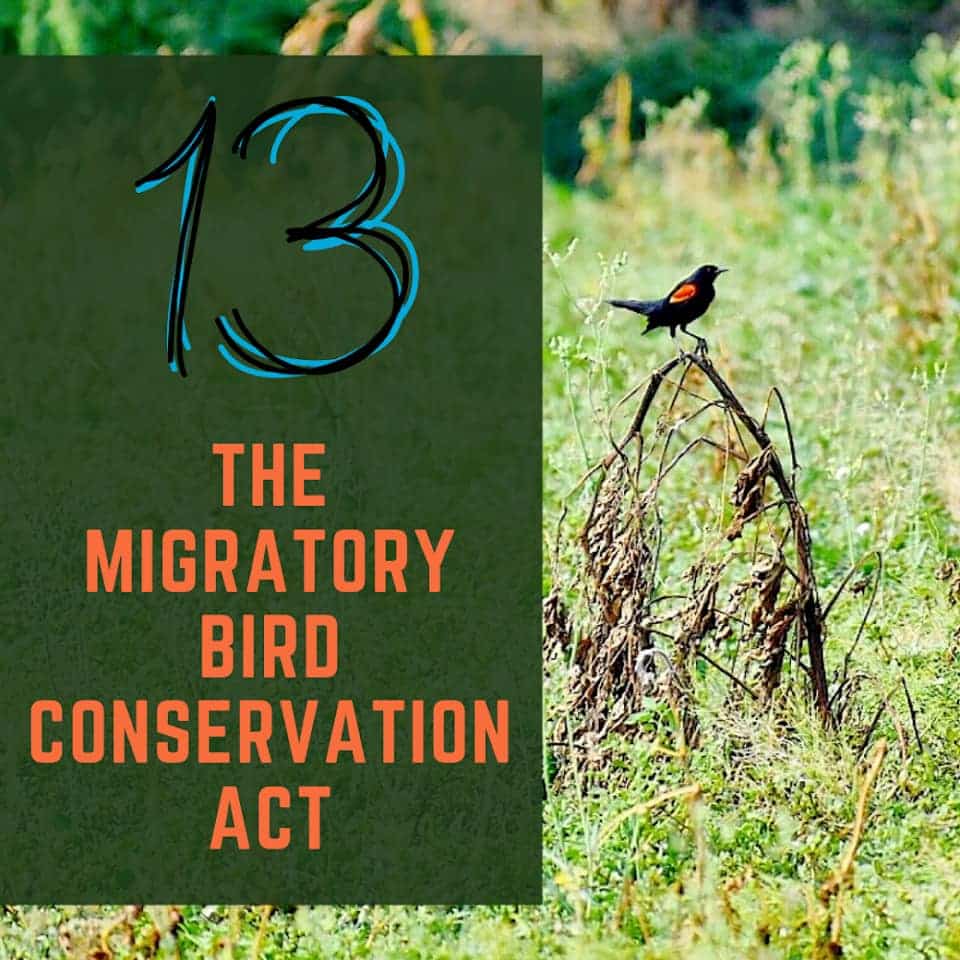
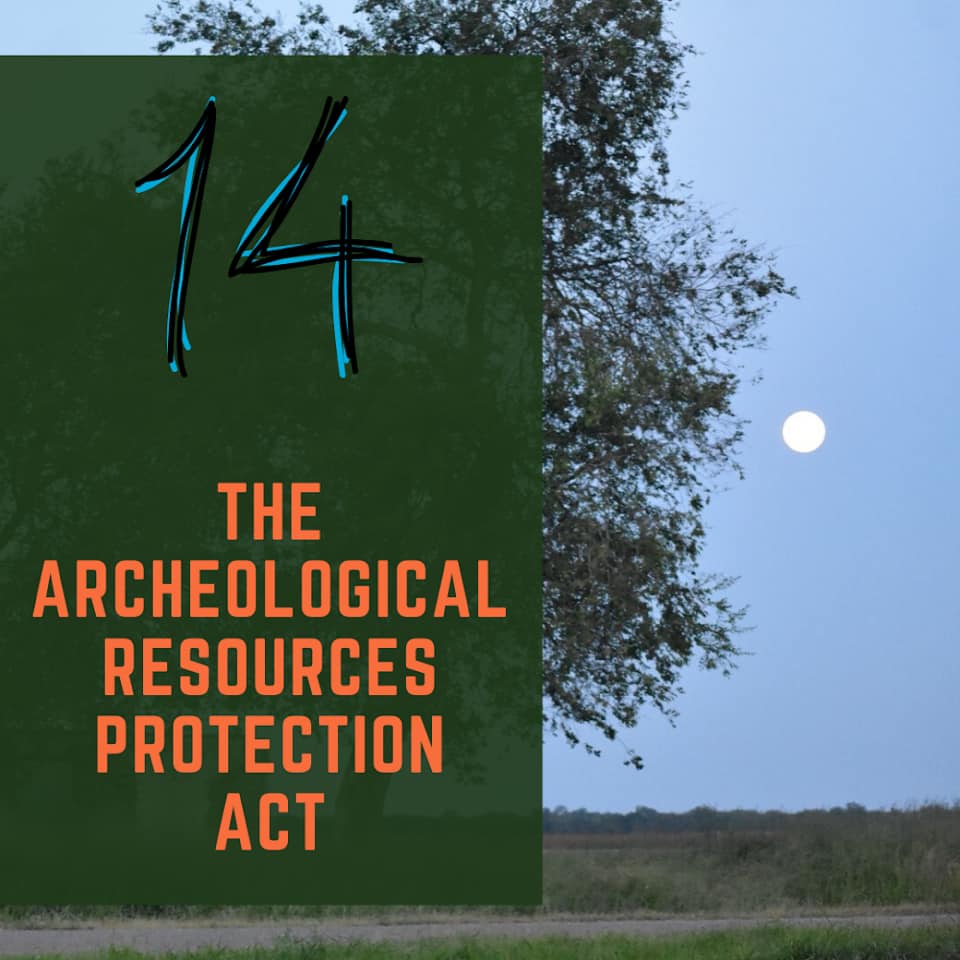
Seven of the 28 laws being waived to build the border wall. Images: Carrizo Comecrudo Tribe of Texas
A two-day online event, the Carrizo Comecrudo Tribe of Texas will host their Tribunal For Human Rights on Friday, May 22 (9am-2pm CST) and Saturday, May 23 (10am-2pm CST), in partnership with the Gulf Coast Center for Law and Policy (GCLP) and the Gulf South for a Green New Deal Coalition.
According to GCLP, the tribunal:
will compile an official record of past and present harms by governments and fossil fuel corporations against the Esto’k Gna people of Southern Somi Se’k (i.e. Texas), through community and expert testimony. We will hear from leaders of the Carrizo Comecrudo Tribe of Texas, allied First Nations, national climate and environmental experts, and local community members about the impact of the petrochemical and US border wall build-out. Testimony and panels will connect the dots between petrochemical development, violence against Indigenous women, environmental justice, and border militarization and migration.
From the Tribunal event page (Share! Share! Share!):
This Native tribunal concerns the continued attempts to erase the Carrizo Comecrudo Tribe of Texas’s cultural, historical, environmental, and health significance in South Texas. Brownsville is the location of three proposed LNG export terminals to begin construction this year, which put community health and sacred sites at risk.
This tribunal will prove that the State of Texas, LNG facilities, the City of Brownsville, and the Port of Brownsville have knowingly and intentionally looted and disrupted tribal sacred sites throughout the last 70 years. The Carrizo Comecrudo Tribe of Texas recognizes this area of land as one of our many village sites, hunting grounds, and burial sites. These corporations have been involved in environmental, cultural, and spiritual racism by disrespecting the sacred sites of the original Native people of Texas and attempting to erase our existence for profit.
Texas LNG has proposed an export terminal that will destroy 625 acres of land, with 282 acres being permanently impacted. This would threaten priceless natural habitat for over 150 species listed by Texas Parks and Wildlife as protected, threatened or endangered. According to the Federal Energy Regulatory Commission (FERC), Texas LNG plans to destroy 47% of open lands, 28% of scrub shrub, 14% of wetlands, and 11% of the open water habitat that is essential to the survival of these protected species in Cameron County.
Altogether, the three LNG facilities would emit 10.1 million metric tons per year of climate-polluting carbon dioxide. Other emissions expected to be released from the facilities include nitrogen oxides, carbon monoxide, and other organic compounds and particulate matters. These could cause devastating health consequences to the community.
We have been fighting to maintain our cultural identity by holding on to our sacred stories and the sacred land. #SaveGarciaPasture #GCCLP #GSGND #CarrizoComecrudoTribeOfTexas
Presenters (in abc order) include:
- Christopher Balsaldú, Ph.D., Carrizo/Comecrudo Tribe of Texas
- Colette Pichon Battle, Executive Director of Gulf Coast Center for Law and Policy
- Vanessa Bolin, Indigenous Artist, Activist, and Street Medic
- Eduardo “Eddie” Canales, Director and Lead Organizer, South Texas Human Rights Center
- Casey Camp-Horinek, Ponca Nation Council
- Nellie Jo David, Tohono O’odham, Hia-Ced O’odham, O’odham Anti-Border Collective
- Bekah Hinojosa, Beyond Dirty Fuels Organizer, Sierra Club
- Amy R. Juan, Tohono O’odham Nation International Indian Treaty Council
- Christa Mancias, Carrizo/Comecrudo Tribe of Texas
- Juan Mancias, Tribal Chairman, Esto’k Gna (Carrizo/Comecrudo Tribe of Texas)
TAKE ACTION: Attend the tribunal and help amplify
this front-line Indigenous struggle to assert Esto’k Gna tribal identity and protect land, sacred sites and the environment.- REGISTER to JOIN THE TRIBUNAL on May 22nd-23rd. CLICK HERE TO REGISTER (at tinyurl.com/CarrizoComecrudoTribunal) for both days of the event, or tune into the @CarrizoComecrudoTribeOfTexas Facebook livestream (at tinyurl.com/CCTXTribunalLive)
- INVITE YOUR COMMUNITIES. Invite your organizing team, your family, and your community to join you in watching the Tribunal. Use the attached flyers to let folks know this is happening, and feel free to utilize this email template and fact sheet to invite your networks.
- POST ON SOCIAL MEDIA. Use this social media toolkit to draft tweets and Facebook and Instagram posts and for graphics, flyers, and photos. Share out the @CarrizoComecrudoTribeOfTexas’ event livestream on your own organizational accounts.
- LIFT UP DEMANDS THROUGH FRONTLINE STORIES. During the Tribunal on May 22-23, using the hashtag #SaveGarciaPasture, as well as #GulfSouth4GND, #BuildAVillageSaveTheEarth, #CarrizoComecrudoTribeofTexas, and #GulfSouth4GND. The Esto’k Gna are working to change the narrative about what “critical infrastructure” means–not fracked gas pipelines and terminals but the land, the climate, and the people. Show solidarity throughout the weekend by posting statements of support for the Tribe and Garcia Pasture, against Texas LNG and other destructive fossil fuel projects, against the border wall, and calling for tribal sovereignty and a just transition from our extractive economy.
- DONATE to support the Carrizo Comecrudo Tribe of Texas in their continuing efforts to protect their sacred sites, resist LNG and border construction on their land, and organize for a sustainable future.
- SIGN ON to Gulf South for Green New Deal. The Carrizo Comecrudo Tribunal for Human Rights is supported by Gulf South for a Green New Deal, a regional initiative to confront climate injustice in a way that prioritizes equity, shared liberation, and the lived realities of frontline communities in the Gulf South. Click here to sign on to the policy platform as we connect this Tribunal to other frontline struggles across the Gulf South.
Like What You’re Seeing? Become a Deceleration patron for as little as $1 per month. Sign up for our newsletter (for nothing!). Subscribe to our podcast at iTunes or Sticher. Share this story with others. Or just hang out. It’s always good to kick it together.


