

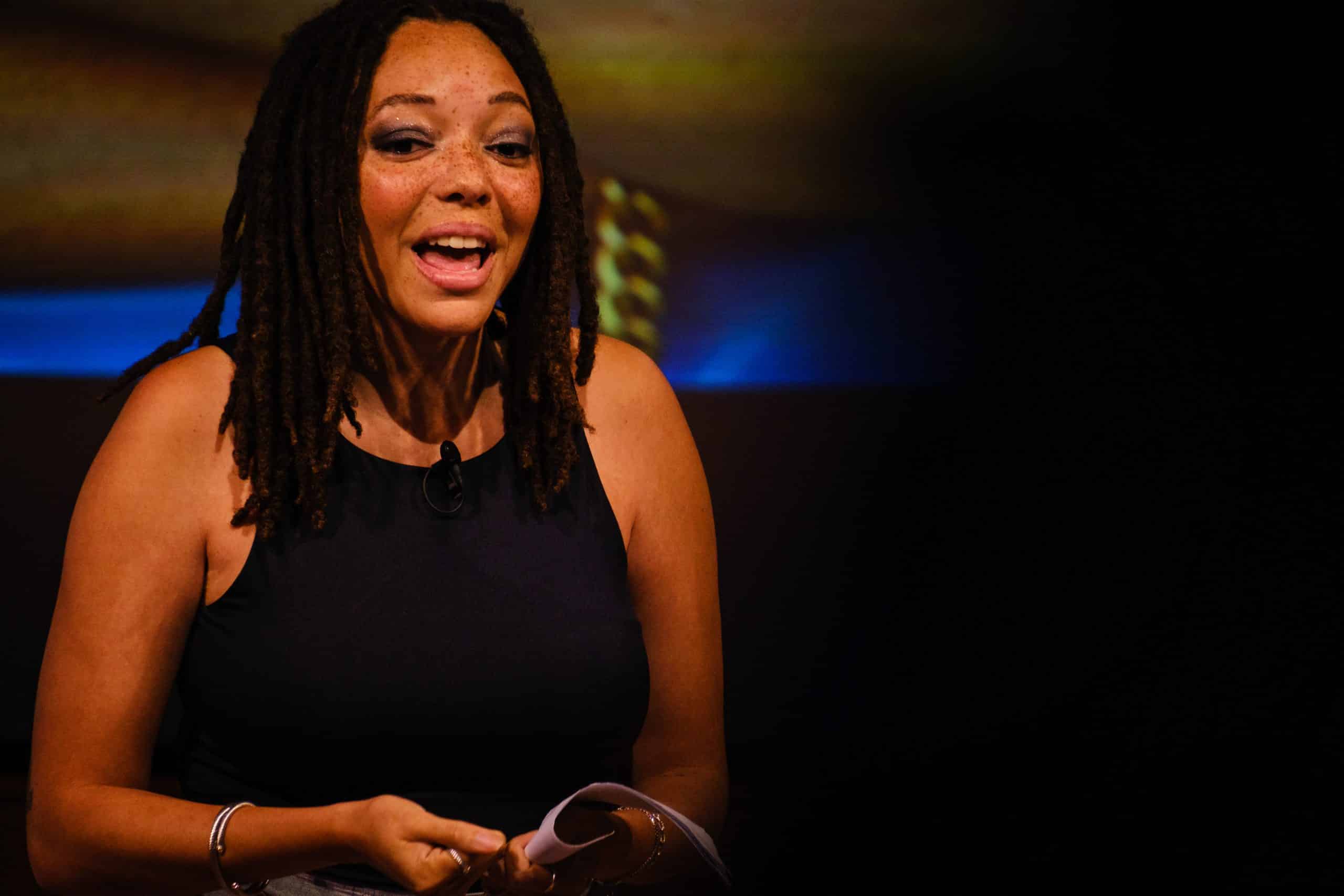
‘Rooted’ author Brea Baker talks with The Emancipator about America’s legacy of land theft from Black and Indigenous people
Editor’s Note: As part of NMV’s Latine Voices for Democracy cohort, Deceleration recently returned from a trip to the unthinkably cool Bay Area microclime—cool like literally: it was in the 70’s during the day!—for the New Media Ventures summit. There we got to soak in the insights, analyses, and wisdom of other folks involved in all manner of community-minded media projects amid the wreck of racial necropolitics and the specter of Christofascism. We met one-person Substack newsrooms exposing corporate malfeasance in Florida, radical engineers developing apps to make it easier for organizers to canvass their neighborhoods (already in use here in SATX!), community journo veteranes from California’s oldest bilingual newspaper, and media startups seeking to revive the abolitionist newspaper for a digital age. Emceeing these conversations was Brea Baker, author of Rooted: The American Legacy of Land Theft and the Modern Movement for Black Land Ownership—who was so busy facilitating she did not get to talk directly about her book at the gathering. Later, when I went back to look for projects that had particularly flagged my interest, I was happy to see Baker’s work profiled in a short piece for the abolitionist online magazine The Emancipator. I was even more excited to hear Baker voice an essential but often overlooked argument: What colonial understandings of race did to Black and Indigenous people they also did to land. We cannot address climate crisis, then, without undoing and unsettling racial capitalism. See Baker put it far more elegantly below! And read/support publishers like The Emancipator in building community spaces for radical analysis of systemic racism. — Marisol Cortez
Jamil Smith | The Emancipator
If this were a Family Feud questionnaire and I asked you about “things that are stolen,” I’d wager that personal property, food or merchandise for sale, or one’s heart may be the top answers on the board. Suggesting “land” as an answer might even earn you a strike.
I suggest, then, that you read Rooted: The American Legacy of Land Theft and the Modern Movement for Black Land Ownership.
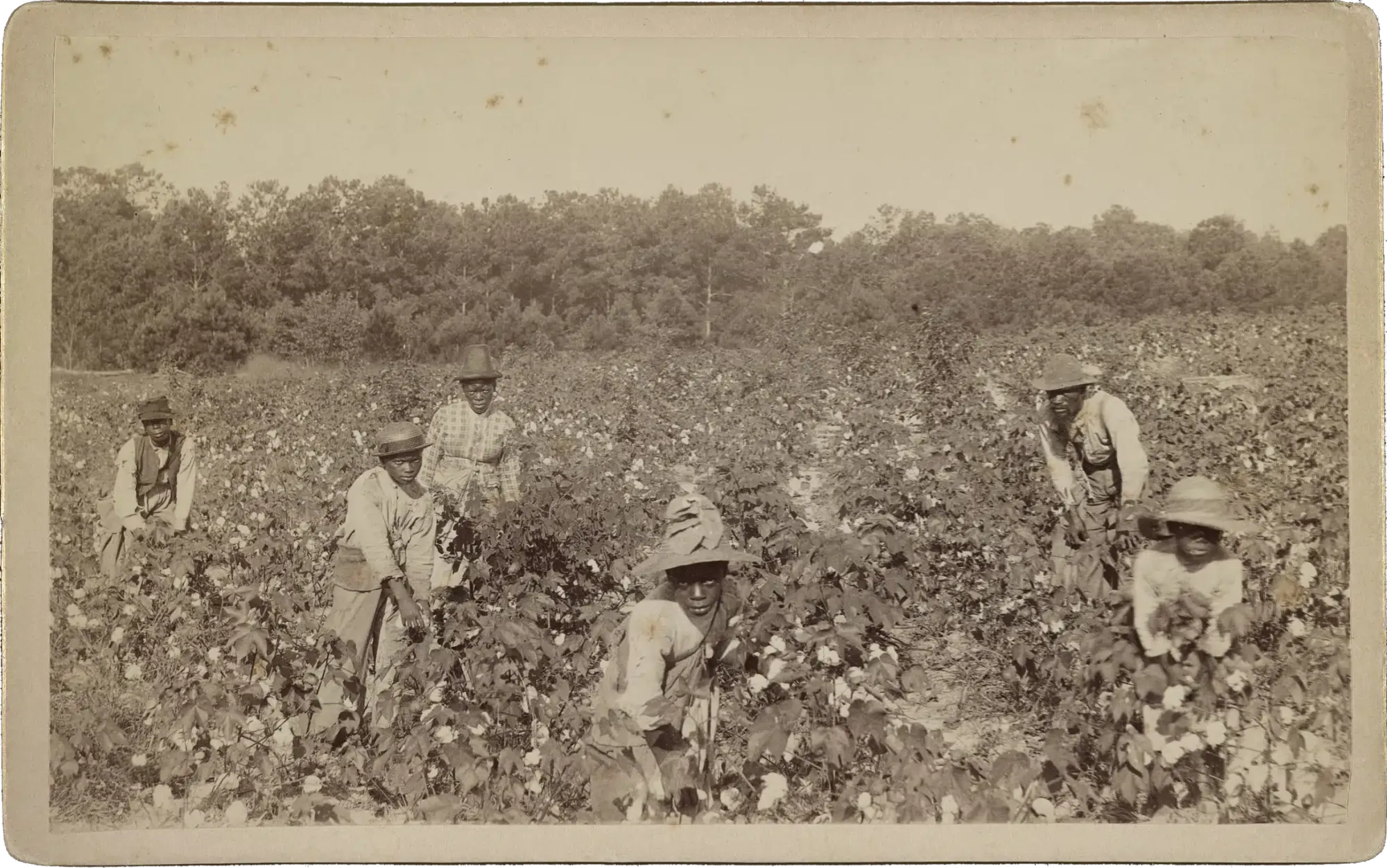
The recently released book by activist and author Brea Baker disabuses us of the notion that the only things that can be stolen are things we can take with us. Thieves can also take that which we hope to leave behind. In the excerpt we recently published here in The Emancipator, she noted that “the exclusion and expulsion of Black and Indigenous people from the land economy has been an act of financial warfare.”
Black Americans currently own less than 1% of U.S. farmland and Indigenous households possess only approximately eight cents of wealth compared to every dollar of a White one, Baker writes in her book. When I asked Baker recently whether those facts could lead one to question why they should care about land theft that happened generations ago, she connected the land to the people in a way I didn’t expect.
“This is land on which some of the greatest trauma our people have ever suffered,” Baker acknowledged. “But the land did not do that. The land was not just a witness to that trauma. Actually, it was also a fellow victim and hostage.”
She went on to spell out some of the remedies for what has gone wrong with our ecology. These remedies can be found in old traditions that racism has seen us discard.
“When land was in the hands of Black and Indigenous land stewards,” Baker told me, “the land was cared for. The land was loved. We were in this sort of symbiotic reciprocal relationship.
“Now, the land is crying out — and we see it and we feel it in how hot it is in early June, how hot it is in December. There’s no snowfall, it’s just raining. And when it does, it’s just flooding everywhere. Our infrastructure is crumbling. We’re seeing the impacts of what has happened. I believe that reparations and land back for both Black and Indigenous people, which would hopefully then push a lot of people of all races into a more loving and sustainable relationship with the land, is a good thing for all of us.”
Our conversation, edited for time, is below.
Jamil Smith is the editor-in-chief of The Emancipator. An incisive opinion writer, television producer, and cultural critic, Smith has primarily covered the intersection of politics, culture, and identity during his decades in media. He also co-hosted “One Year Later,” a limited radio series for KCRW, as well as several podcasts. In 2019, the New York City chapter of the Society of Professional Journalists awarded Smith its prize for arts reporting for his Time cover story about the film “Black Panther.” Prior to writing full-time for publications such as Rolling Stone and the Los Angeles Times, Smith earned three Sports Emmys while at NFL Films. He is a proud native of Cleveland, Ohio.
-30-
This article first appeared on The Emancipator on July 16, 2024 and is republished here under a Creative Commons license.

Like What You’re Seeing? Become a patron for as little as $1 per month. Explore ways to support our mission. Sign up for our newsletter (for nothing!). Subscribe to our podcast at iTunes. Share this story with others.


