

Editor’s Note: Unlike other installments of Deceleration’s Creative Review, the theme of this issue was sort of tricky. Less a broad topic like climate or ICE or coral reefs, it was an invitation to do something more difficult—move beyond our reactive, defensive crouch amid the grotesque realities we’re living, arriving instead at something more speculative, a way of seeing what is already emergent even within disaster. It’s easy to lament or condemn, less easy to think outside the terms of what we oppose, recognizing the ferment and flourishing of life, lives, living, the many paths unfolding beneath or outside of or inside the necropolitics of this moment. Against official celebrations of the U.S. 250th, how do we celebrate the ways we are already inhabiting and imagining and creating other words together—altermundos, as Latinxfuturists have called them? What other worlds have always been here, what other worlds have never been destroyed, what other worlds do we struggle to protect or conjure into being?
What I like about the poems, prose, and visual art included here is the many different ways they imagine these “many worlds”—through the voice of the exile or deportee; through the memory of a “rebel Chicano” whose “heart & mind belonged to Peter Max, Frank Zappa, and Emiliano Zapata;” in the image of Zapata himself or the otherworldly snowfall of radioactive ash; via references to children, snakes, fossils, greenhouses, queer desire, writing itself. All of these expressions offer up pluriversal possibilities beyond the “one-world world” that has brought us to the point of polycrisis, gesturing instead toward un mundo donde quepan muchos mundos, in the words of the Zapatistas (a world in which many worlds fit).
Or, as Carlos “CJ” Jarmon writes in “The Last Greenhouse/Heat Signature” below:
Inside, the old world flowered illegally.
No bee or butterfly entered,
so the men carried pollen between blooms,
yellow dust passing from flower to flower.
In the months to come we hope to gather you all for a community reading and futurecasting process that invites you to imagine our home city of San Antonio 250 years from now, asking: In the San Antonio of 2276, how will we have arrived at a more liveable and liberatory future? In what ways are we already thinking, doing, being, living in ways that will get us there? Watch for it!
—Marisol Cortez, Creative Editor @ Deceleration
How a Country Collapses
Jonathan Chibuike Ukah
If this is the dream, please wake me up.
let me live without sleep, without dreams,
undocumented, uncelebrated, undeveloped,
let me hide, let me die,
banished into exile, convicted of nothing.
My body is a layer of secrets, let me live,
like the wave hidden by the wind.
Can a man set a trap to catch a wave?
Can a man sell the wind to pay a debt
promised to the gods of his ancestors?
I arrive from a distant country,
in search of fresh water to drink,
a soul evicted without notice,
a piece of broken bones, a featherless bird.
The door is open, feet are shuffling inside,
a familiar face pops out of the keyhole.
I smile and wave. Keys rattle, door creaks.
A cup of water, a vial of milk,
Thank you, Madam, for a cup of water,
From your son, whose essence is restlessness.
The lady is big on good works of kindness.
I drink water and wine from divinity,
I set out on my way, ensorceled back to life,
back to my exiled country,
but, at my back, I hear the rattling of wheels,
like the flustering of complicated monsters.
A man approaches with stolen daggers,
his head is a heap of sand, his face is in mud,
his body is a hissing serpent, a darkling prince,
revelling in a python dance with a cobra head.
You’re the betrayer, the exiled,
You fight against the king, and you envy his wife.
The charity woman is the king’s wife.
My open palms hang in the air,
my open mouth hangs in the sky;
my open feet wobble on the ground,
I’m a construct of the moon and the sun,
undone in uncontested spaces.
How awful is memory when it's cruel?
Then, I see the king approach with treason eyebags,
betrayal cheeks, scoundrel eyes and hound’s lips;
Kindness grows no wings on ghosts to fly,
You dare care to live where people fly?
It's then that I remember what my crime is,
not the jar of water, not the vial of milk,
But my birth is treason, my existence is reason.
I run with the king in pursuit, hot on my heels,
but the just shall run by faith.
The Girls at Dance Camp
James R. Dennis
They were camping near Ruidoso, New Mexico
that July—these twelve girls and their dance teacher.
They ranged in age from 10 to 16 and had come
to immerse themselves in the art of dance:
ballet, modern dance, and tap. Often, they practiced
under the vast, star-encrusted skies of Lincoln County.
On the morning of the 15th, they were shaken and jostled
out of their beds—they thought that perhaps a water heater
had exploded. It was 5:30 in the morning, and the whole sky
“turned strange,” as though the sun had risen. One girl said,
“It was the brightest light I had ever seen.”
They were all mesmerized.
Later, white flakes fell from the sky, a summer snow,
which the girls caught on their tongues and pressed
into their faces. This snow, however, felt warm to the touch
rather than cold. (They assumed this was because
it had fallen in summer rather than winter.)
The whole thing felt like magic to them.
Shortly after the blast, locals from the town gathered to hear
government officials assure them: “[T]here was an explosion
at a dump.” They told them, “No one worry about anything;
everything is fine.” The medical advisor to the Manhattan Project
reported to local doctors, “the safety and health of the people at large
is not in any way endangered.”
Their camp was only 50 miles away
from the site so inaptly named “Trinity”
in the Jornada del Muerto desert. There, our nation,
our best scientists, tested a device which they called
“the Gadget,” but these girls didn’t know anything
about that, these girls at the dance camp.
Only one girl from the camp lived to see 30 years. A doctor
in Roswell reported about 35 infant deaths in August of that year.
Livestock and other animals died mysteriously; orchards
and streams were poisoned. But in 1986, the head of the
Los Alamos Health Group spoke more truth than anyone else
when he said, “We didn’t know what the hell we were doing.”

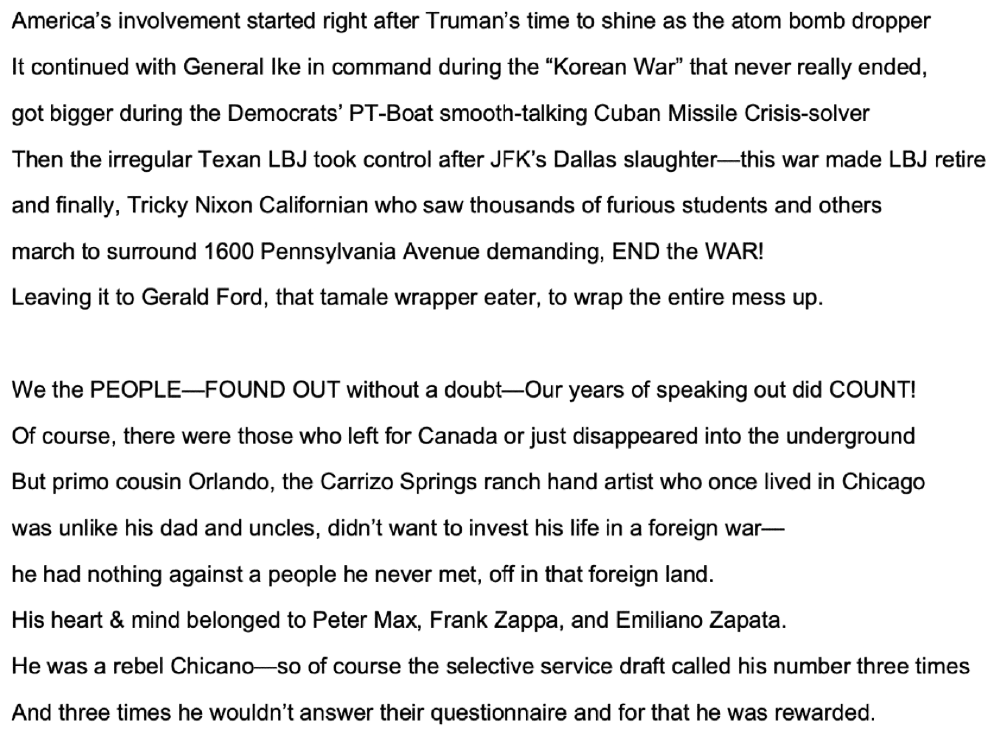
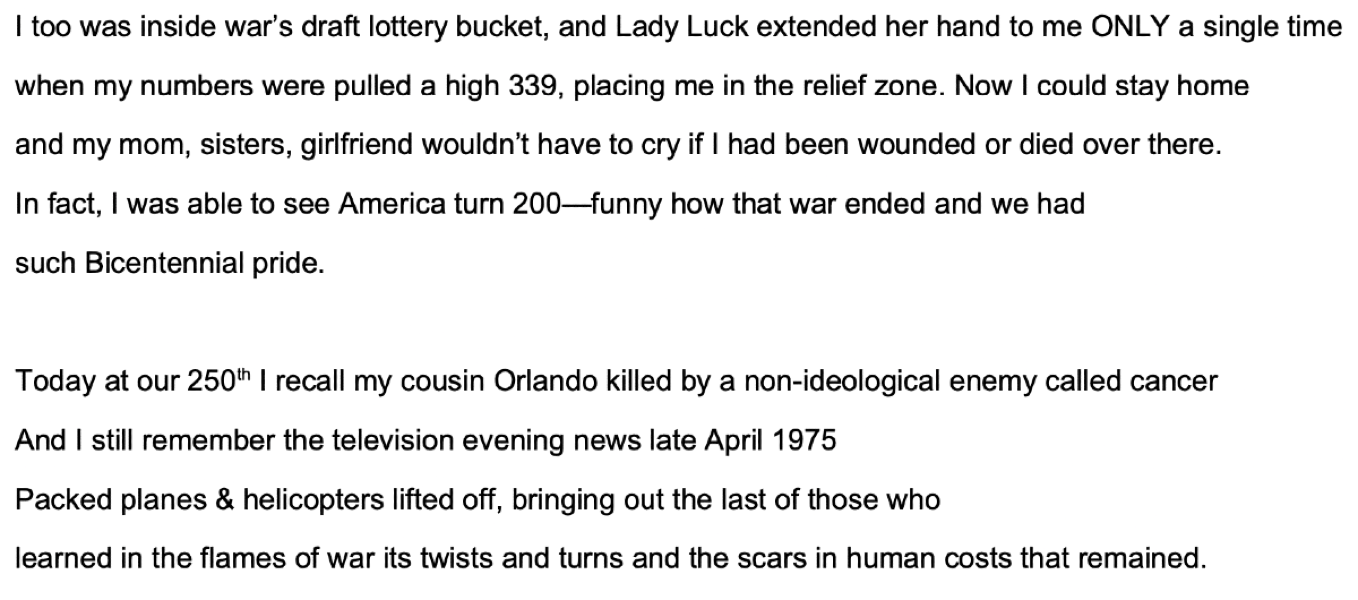
Vietnam’s Liberation Day / Operation Frequent Wind*
April 29-30,1975
Carlos Cumpián

Zapata
James R. Dennis
(Originally written for the San Antonio Museum of Art)
Your mestizo eyes stare into us, eyes like coal black steel.
You rose out of hardship, from a tiny village in Morelos.
And even in this earthenware figura, we see revealed
eyes that rage for justice against the hacendados.
You enflamed Madero by demanding the return of the land,
the restoration of tierra y libertad to the campesinos.
Then Madero overplayed his hand,
burning the villages and enslaving your vecinos.
Mi hermano, you became the iconic revolutionary,
and your memory blazes brighter than them all:
Diaz, Madero, Huerta, Carranza, and the other luminaries.
Your portrait, and not theirs, hangs on my bedroom wall.
¡Zapata vive, la lucha sigue! This much we trust:
if Zapata had lived, he would walk with us.
The Right to Happiness
Chiara Pride
My thirteen year old cousin is telling me about a friend of theirs who speaks English, German, and Spanish. This friend has certain words that she recalls exclusively in one language. For her, kitty is always “gatita.” Sometimes she says a word in Spanish or German that my cousin doesn’t know, and they have fun puzzling out the English translation. My cousin and their friends are kind and creative. They approach language with beautiful, playful facility. Languages are a game; sounds and words are their pieces.
“Whenever you’re bored, just look up how to say something in another language. Guess what this means!” they say as they make the Google Translate robot lady say the number eight in German, acht, eighteen times. The intonation of the word shifts with each robotic repetition. We could sample it into the beat of a Berlin club banger in no time. I love that my cousin is an autodidact and aspiring polyglot; it makes me feel like I’ve done something right. They are someone who is unafraid of learning and growing. I am so proud of them.
My cousin inspires my writing. As only children, we have a unique bond. We’re not quite siblings but more than just cousins; my cousin calls us “scuzins.” I don’t think they know what “scuzzy” means, or maybe they do and want to embrace a teenage grunge aesthetic. They are fluent in the language of rebellion.
I’m so grateful for our relationship, as it has helped me reconnect with my brave inner child and empowered me to write about child welfare. Children who are safe and supported don’t automatically fear people or the languages they speak. They make friends. When a friend utters an unfamiliar collection of sounds, they delight in the novelty. They eagerly learn and accept new words and meanings; they play. For healthy and happy kids, learning and language acquisition is fluid and fun. My cousin has grown up with a love for life, a thirst for knowledge, and a sense of humor. They will take the magic of childhood curiosity with them into adulthood. I believe that all children deserve this experience.
As I am writing this, a Kona Ice truck pulls up blasting a calypso beat, and after a few seconds of delightful bewilderment, my cousin and I discover the source of the sound. They rush outside with a five dollar bill our grandmother gave them; they’ll come back with a treat. When an ICE truck pulled up in Joan Sebastian Durán Guerrero’s neighborhood, he was shot five times by officer David Michael Brouillette. Juan Sebastian Durán Guerrero has a three-year-old daughter who, along with his wife Karolina Rojas Alvarez, saw him lying dead. The day before Durán Guerrero was murdered, he had taken his daughter to the park. He was supposed to spend the afternoon with her the day he died. Instead, Rojas Alvarez has had to explain to their daughter that her father is never coming back.
The introduction of the Declaration of Independence is written very carefully to include secular and theistic interpretations of creation. It refers to both the “Laws of Nature and of Nature's God” as applying to all people. All people are endowed with unalienable rights by “their Creator”, and I emphasize “their” as a reflection of the revolutionaries’ emphasis on religious freedom. They believed in pluralism, a political philosophy which holds that people with different ideologies can (and should) live and govern together. Pluralism, political, and religious freedom are central tenets of our society. Whatever God you believe in, even if you believe in no God at all, you are equal to your neighbor, you share the same rights. Durán Guerrero and Rojas Alvarez’s daughter and my cousin were created equal in the eyes of any and every creative force that has the power to animate life and inspire belief in human beings.
Their experiences of life, however, are not equal. Their little girl will grow up without her father. She will carry unconscionable grief with her always. She cried alongside her mother over her father’s body. Immigrants like Durán Guerrero often move to the United States with the hope of protecting their children from violence and trauma. Instead, at three years old, Durán Guerrero’s child knows grief and pain that neither myself nor my cousin can scarcely imagine. As people in the United States, Juan Sebastian Durán Guerrero and his family are supposed to have equal protection under the law, protection from tyranny towards the pursuit of happiness. Yet Brouillette, ICE, and DHS took Durán Guerrero’s life and tyrannized his family, robbing them of a happy future together.
Growing up in the United States, my cousin and I were taught that this country was founded on the ideals of liberty, justice and freedom for all, and that these principles are actualized through representative democracy. We learned that America is exceptional because of a national belief in liberty—a belief that people in this land have the right to pursue happiness. The Declaration of Independence claims that life, liberty, and the pursuit of happiness are inalienable rights. While the United States constitution does not explicitly name happiness as a right, three states have recognized the pursuit of happiness as a fundamental right in their state constitutions.3 The Supreme Court has also upheld the right to happiness nationally in Meyer v. Nebraska, a case brought before the court in 1923 when Robert Meyer, a schoolteacher, challenged the constitutionality of Nebraska’s Siman Act, which forbade teaching in a foreign language. In a 7-2 decision, the court found that the due process clause of the 14th amendment protects individuals’ rights to “privileges long recognized at common law as essential to the orderly pursuit of happiness by free men.” The law that barred Meyer from teaching in a foreign language, German, was ruled unconstitutional.
As I experience the effects of living under an oligarchical, autocratic, fascist government, I find myself reflexively referencing the founding principles of this nation—liberty, justice, freedom, democracy, equality—perhaps because, as a white person, I’m feeling the lack of them more acutely than I ever have before. People of the global majority whose descendants struggled against the oppression of imperialist conquest, colonialism, slavery, and segregation already know what it is like to live within a fascist regime—they and their ancestors have lived it. (It is not a coincidence that these are the histories, experiences, and people that the current administration is trying to vilify and ban from learning about in schools.) Civil rights and liberties, the American Dream of protection from tyranny and the freedom to pursue happiness, have always been conditional based on race and class. Life, liberty, and happiness are experiences that the state protects primarily for straight, cisgender, white, wealthy, and Christian evangelicals.
I was trying to avoid this reality on Tumblr recently, where I saw a post that said something like, “the U.S., and the world more broadly, is suffering from political familicide.” Familicide is when someone, usually a man suffering from severe mental health issues, murders his family and then himself (as in the case earlier this year of former deputy governor Justin Fairfax, also only the second Black person to ever serve in statewide office in Virginia).
On a national level, a similar kind of patriarchal violence is tearing this country and the world apart. David Brouillete (the man who killed Durán Guerrero, who was a loving and devoted father) has two ex-wives who have alleged that he horrifically abused them and his children. The women have said on record that he is given to extreme acts of violence, and that they will not defend him from allegations of deliberate murder, because they believe from personal experience that he is capable of it. From the earliest point in his career, Brouillete sought out positions of power that allow lethal force, joining the Maine National Guard in 2007 and then the Army in 2010, then working as a corrections officer and a police officer with the Department of Veterans Affairs. He was also briefly a volunteer firefighter, but was fired for threatening to punch his boss in the face. This article frames Brouillete’s hiring and expedited training as a lack of agency oversight and discipline. But in my estimation, ICE and DHS are functioning exactly as the government intends.
In my opinion, the federal government is hiring people who enjoy violently abusing others because their aim is to violently abuse people, for profit. While the government’s intentions are arguable, the profitability of the immigration industrial complex is fact. The “One Big Beautiful Bill” passed in July of 2025 quadrupled ICE’s budget and added $11.25 billion to the agency’s coffers every year through 2029. The private prison companies that operate the majority of detention centers, like CoreCivic and GeoGroup, are reporting record profits and investments, according to the National Immigration Law Center, including from making detainees work for as little as a dollar a day. The United States immigration system is slavery by a different name and it is destroying children and their families.
Apart from murdering beloved parents in the street, the current administration is also detaining an average of 25 children a day aged three or younger, according to The Marshall Project—that’s at least 500 babies and toddlers since last year. Babies, toddlers, and children are becoming so sick in detention that they are dying—from depression, illness, inedible food, and unlivable conditions. Politicians who still have a conscience, like Congressional Representative Joaquin Castro, are demanding the release of specific children so that they can receive life saving medical care. Texas’ conservative Republican politicians may be adjusting their messaging to sound more humane ahead of the midterms, but regardless of what they say, their governments are still treating human beings like chattel. It feels like billionaires, and their political lackeys, are playing a game to see who can extract the most profit from marginalized communities until our planet is no longer habitable. (Tech billionaire Peter Thiel, for instance, believes that an Antichrist is bringing on Armageddon—but I think he may just be paranoid because people are waking up to the injustice of him hoarding wealth.)
You likely already know much of what I’ve reviewed here. You probably follow the news as it pops up unbidden on your phone, prompting you to cringe involuntarily. You may be looking for an escape from our current hellscape. So why am I writing this? Frankly, I’m tired of feeling scared, depressed, and powerless. I have quite literally sat around and waited for the collapse of humanity. I refuse that for myself. Instead, I want to imagine brighter futures amid the collapse.
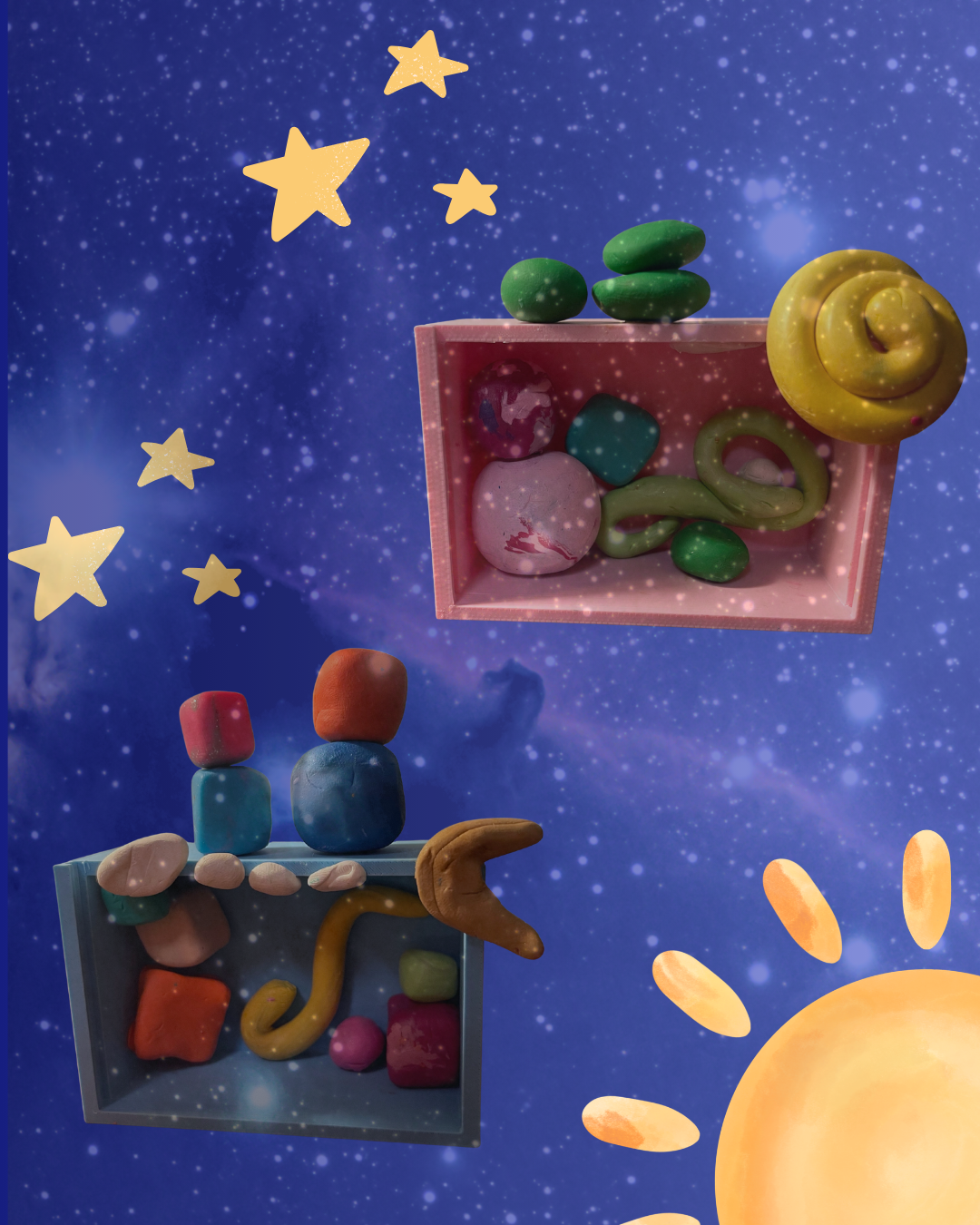
To imagine new ways of being I must take an honest account of the present. I also have to state what I believe and value. I believe that happiness is the birthright of all people, un “derecho de nacimento” (shout out to Mexican cantante Natalia Lafourcade whose music stays in heavy rotation.) Children in the U.S., regardless of their country of origin or that of their parents, have the right to a happy childhood. One like my cousin has had. They deserve freedom; the freedom to play with other kids, to share their culture and language, and to act like silly little punks. It is up to us, dear reader, to fight alongside immigrant families for their freedom, to dismantle the current fascist government, and to create the future.
There is a 1969 jazz protest song, “Compared to What,” written by Gene McDaniels and first recorded by Roberta Flack. The last verse goes:
Said I love the lie, lie the love
Hangin' on with a push and shove
Possession is the motivation
Hangin' up the whole damn nation
Looks like we always end up in a rut
Tryin' to make it real, but compared to what?
I interpret the last line to mean, You’re trying to make the American Dream real, but compared to what?” What is the reality that we are moving away from? What kind of future are we trying to manifest? How do they compare to each other? These questions are a roadmap for radical transformation.
We are:
- Building a society structured around mutual aid and environmental sustainability instead of a society structured around mass incarceration and corporate greed.
- Cultivating a politics of participatory democracy instead of passive representation.
- Investing in ecologically complementary systems of energy production and consumption instead of fossil fuels.
- Creating new labor markets instead of participating in exploitation.
How are we doing this? Big changes start with consistent collective actions at the community level. This can look like gardening, cooking, and crafting with our friends and neighbors. Or feeding and housing people engaged in civil disobedience or who are released from detention. Maybe teaching or taking a community civics class. Or planting some native grass.
There are even smaller things that you can do right now that will help us create a brighter tomorrow. Put your phone away, call up your inner child, and go play! Dance to your favorite song. Sing as loud as loud as you want. Spend time with the people you love. Write a poem. Listen to your body. Breathe. All these things and more help us make our dreams into reality.
Serpentine
Liz DeGregorio
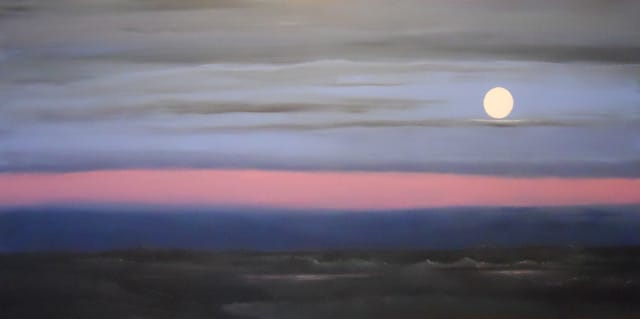
there’s a ribbon of yellow CAUTION tape
unspooling in the wind
whipping around like an eel
a snake …
a serpent trapped in a cage
there’s only so much room this ribbon has:
it’s still tied on one end,
putting into question just what area needs
CAUTION
it’s dawn in New York City but
it’s evening for America
unmarked vans are coming into our city
the city of art and sex and 20 different
languages in symphony on the subway
the city where you can bring a snake on the subway
no one even flinches
We Imagine Ourselves Free.
CAUTION yourself
CAUTION others
be prepared to free yourself from your ties
to fight to flicker to snap and to strike back
the sun has set on our country
and we must fight,
like snakes crawling through the grass
when night falls.
My Writing Compulsion
Jane Berger Herschlag
is lured by the safety
pen and paper offer
on my quest for health.
I excise malignant memories
shrinking my glands.
I still fear retribution
for words uttered aloud
but the blank page succors me
into releasing revelations.
I rant against Joel Steinberg,
Rodney King’s assailants, the un-
convicted like O.J. Simpson, and
the Derek Chauvins of America,
Trump’s immigration policy,
Jeffrey Epstein and his cover-uppers.
I singe environmental polluters,
corrupt politicians, and child abusers.
Written words,
charcoal for my pictures;
my manuscripts, paintings.
Readers witness my wildfires.
After you have toured my words
you will understand, and
my writing compulsion
grows less acrid,
soon will emit a sweet aroma,
a meadow lark’s vibrato,
a mocking bird’s serenade.
DisFossilization
Douglas Park
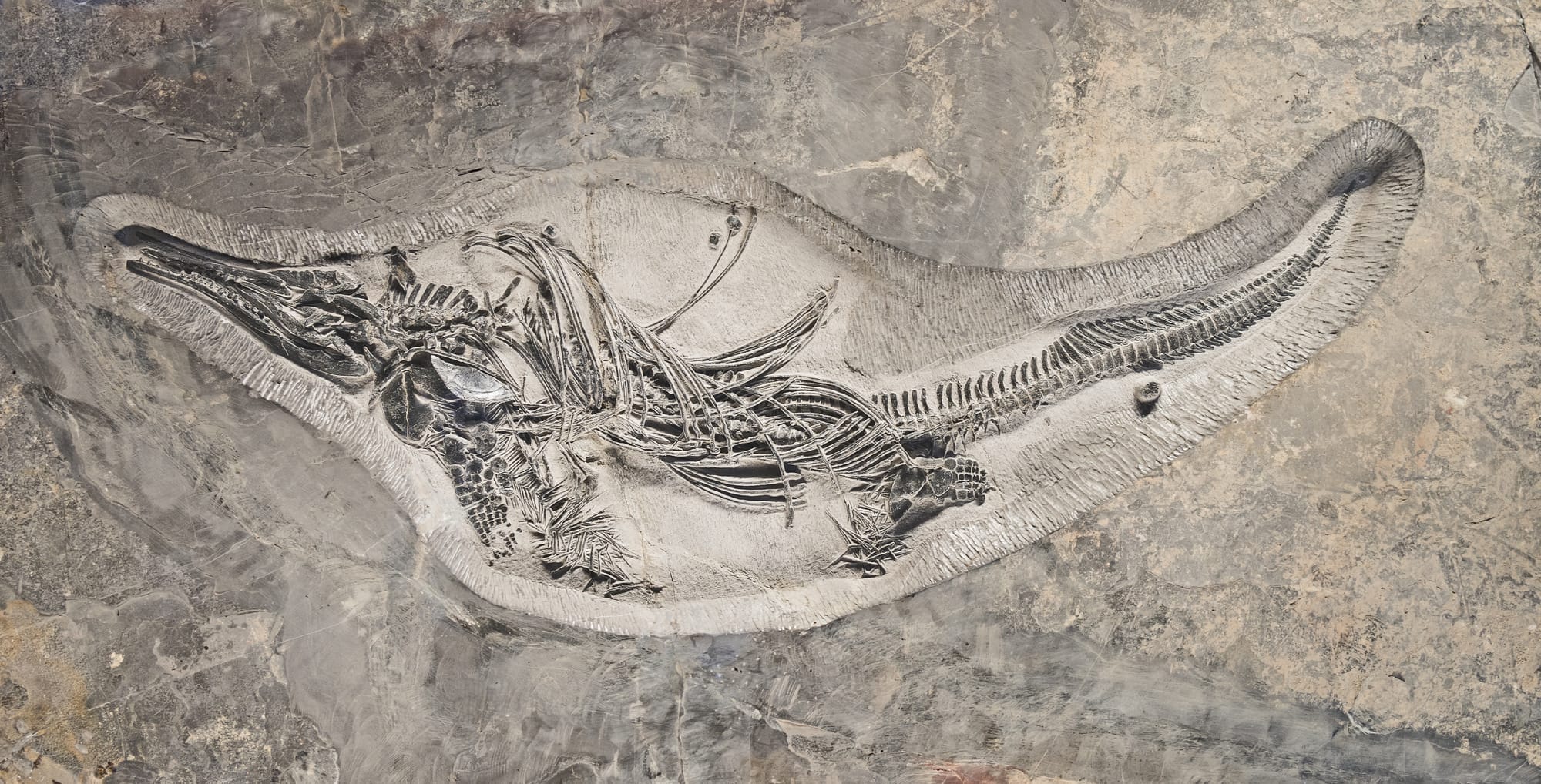
This tour-de-force came to me after I sustained serious injuries, then whilst recovering, during my convalescence and treatment phase, until I eventually got better.
It (hopefully) encourages shared speculation on what and how eventual or sudden becoming alive — again — or for the very 1st time ever — might be or truly is.
As though not just awareness, perception or experience etc — but gradual or instant life — or even reality itself — starts.
From the point-of-view of a post-cryonics extinct woolly mammoth and/or resurrected prehistoric fish. …
Restful zone, landmass, subcontinent and absolutely nothing else whatsoever. Only not some mere deceased or inanimate unit or slab. But asleep and dreaming hybrid cross-between stainless steel, cast iron and fortress rockface, with flameproof pack-ice worked into the mix. Resist and immune against fire and burn, so meant never defrost, thaw-out, softness, molten or liquefy.
Manufacturing-base depot, original source from which arctic and polar sub-zero freeze-factor conditions get born, exhaled breath sent long-distance, straight through any solid barrier that obstructs progress during the course of their duty.
Usually or forever, mostly or always, more or less, the very same. Until change and difference starts; stirring, begun deep within, before outward spread, reaching faraway. Advent of soul, awareness, conscience, self, perception and drive. Dormant freewill erupts.
Next, comes room-temperature warmth and real body-heat. Fast joined by newfound sensations, feeling and emotion. At 1st numbness, then discomfiture, pain, surprise, shock, pleasure, joy and amazement. Soon following are energy, movement, action and ability.
Flesh, blood and muscles takeover and replace predecessor. Heavyduty industrial-strength forces survive, increase and multiply.
Previously unbroken interior becomes infinitely divisible into household-contents. Artery veins; self-assembly components, spareparts and upgrades; intestinal organs; electronic circuitry and wiring; central nervous system; equipment and weaponry tool-kits. All slotted together and climbing around supportive skeleton bones and armature scaffolding.
Full usage enjoyed of every functional and operative faculty and resource.
Thereafter, metamorphic and evolutionary terrain; living, hyperactive, invincible, omnipotent. Actually being an endless state of growth, mutation and advancement.
No simple façade and complexion or even fixed place, unlike flat and shallow decoration and armour. Vast expanse refuses to settle down, cast anchor or plant roots; instead, flowing onwards ahead, along ground passed over and fed off.
Above and beyond passive and dependent travel and consumption, true agency and cause for alchemical and transformative influence and reform, on everywhere ever briefly gone and flash visited. Supreme and ultimate organic lifeform and superpower deity, rather than just another geological and engineering party-trick and gimmick.
Equally, one almighty deluge, earthquake, tidal-wave, plague, storm and populace.
The Last Greenhouse/Heat Signature
Carlos “CJ” Jarmon
I. The Last Greenhouse
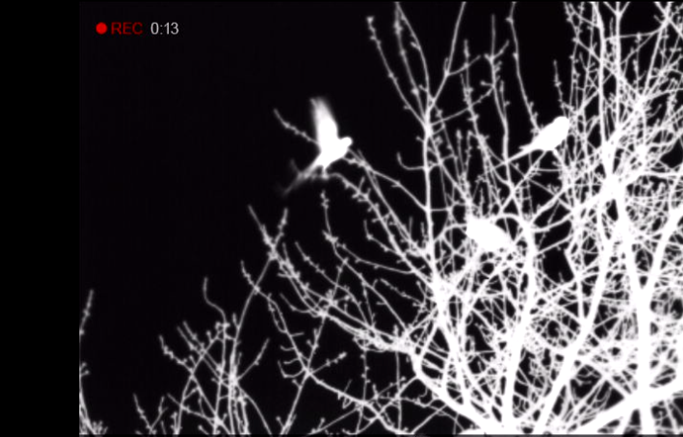
Comrades together, to hold on, to love in a hollowed earth.
Beyond them the forest stood without life,
each tree waiting beneath the mark of its execution.
Inside, the old world flowered illegally.
No bee or butterfly entered,
so the men carried pollen between blooms,
yellow dust passing from flower to flower.
They had been called Adam and Steve, barren men.
His seed, their seed, what men may sow
passed from palm to earth, warm from his hand,
and every green thing answered
by breaking open.
Above the canopy, the engines returned.
They planted deeper, burying what was left of spring.
II. Heat Signature
The scan crossed the forest at dusk
and stopped above a warmth where none should be,
hidden under a roof of glass:
two male bodies
among a fever of leaves.
The lovers lay ringed by green,
shoulder to shoulder, dirt underneath their nails,
vines brushing against arms,
the engines somewhere above the trees.
One hand searched in the dark.
The other found it.
Above them the white beam returned.
And on the screen miles away, the hidden garden
appeared only as two heat signatures touching.
Author Bios
Carlos Cumpián
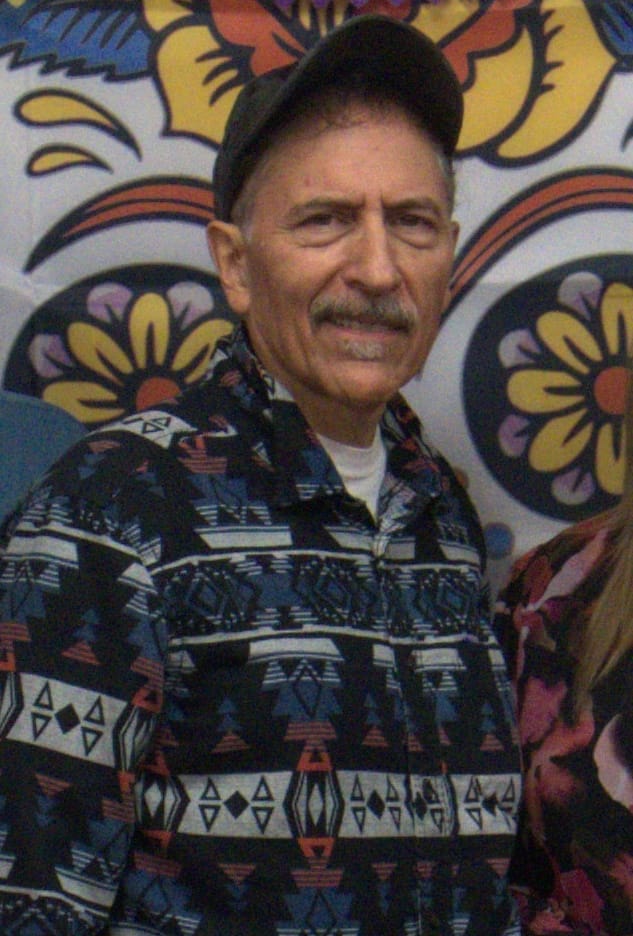
Carlos Cumpián is a Chicagoan originally from Texas. Human Cicada (Prickly Pear Publishing) marks his fifth poetry collection, alongside Coyote Sun (March Abrazo Press), Latino Rainbow (Children’s Press/Scholastic Books) Armadillo Charm (Tia Chucha Press), and 14 Abriles: Poems. In 2000, he was recognized with a Gwendolyn Brooks Significant Illinois Poet Award.
Cumpián has been included in more than thirty poetry anthologies, including the Norton Anthology Telling Stories. Before becoming a teacher, he worked with various social service organizations such as ASPIRA and public relations for the Chicago Public Library. Cumpián has taught creative writing and poetry through community arts organizations including the National Museum of Mexican Art, Urban Gateways and as a writer-in residence funded by the Illinois Arts Council. Cumpián taught in the English Department of Columbia College Chicago and in the Chicago Public School and Charter school system.
In addition, he has hosted live readings with Galeria Qui Que & La Palabra Series and published over 20 poets/writers with MARCH ABRAZO PRESS between 1978-2015. His most recent essay, “Learned to Read at My Momma’s Knee,” appears in With a Book in Their Hands: Chicano/a Readers and Readerships Across the Centuries (University of New Mexico Press, 2014). His first in a series of true supernatural accounts, “A Chicago Premonition” was published in Hombre Lobo #2, True Xicanax Spooky Stories, (Ponte Las Pilas Press, Los Angles, Ca. 2021) Cumpián is currently working on his “anti-war years” memoir Accidental Rebel: 1968-1976.
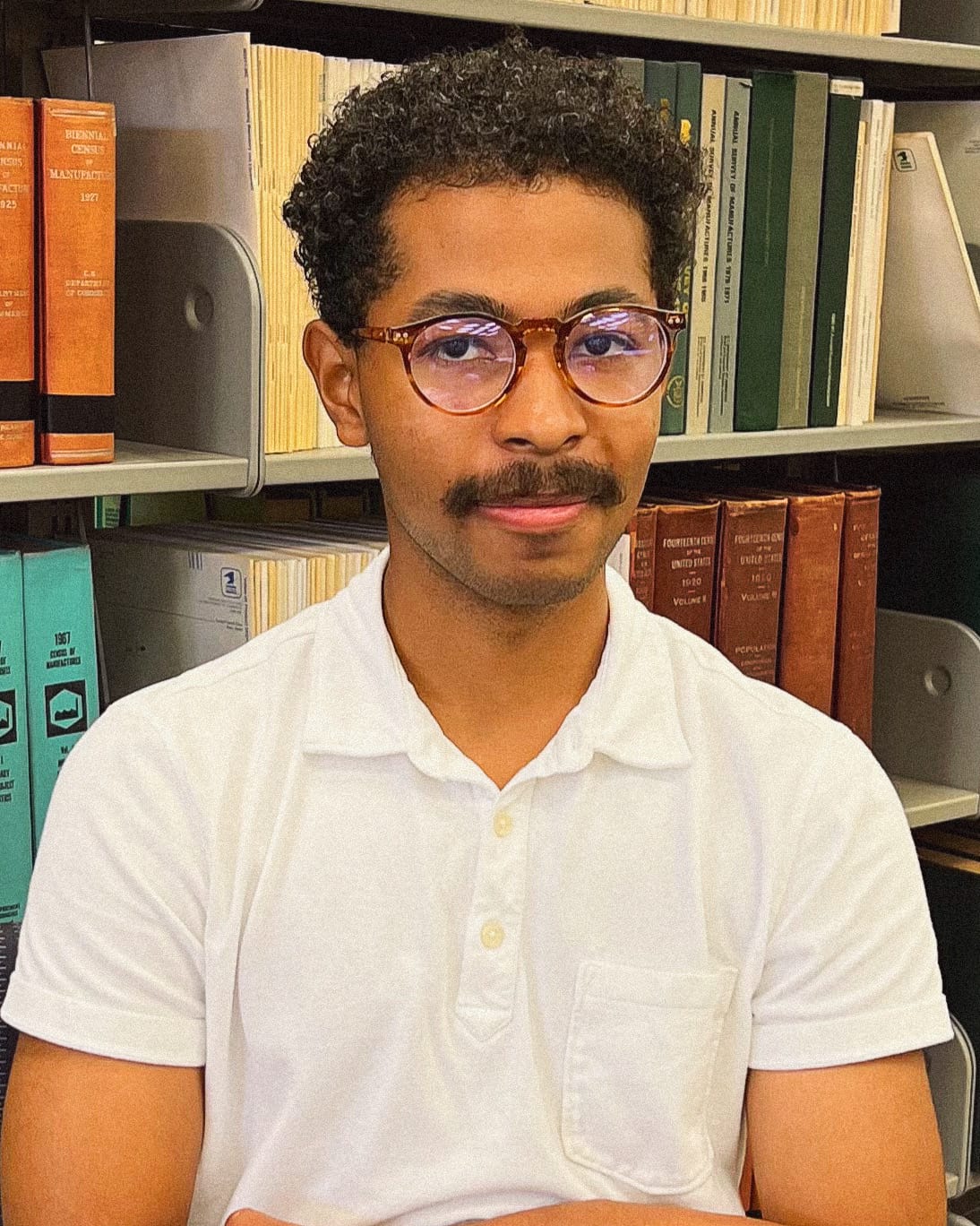
Carlos "CJ" Jarmon
Carlos “CJ” Jarmon is a poet, novelist, and English literature major at St. Mary’s University in San Antonio, Texas, where he serves as Editor-in-Chief of Pecan Grove Review. Jarmon approaches writing as both an artistic practice and a means of building community. His poetry explores masculinity, longing, identity, faith, and the complexities of queer experience, in particular the bonds between men, drawing inspiration from Walt Whitman’s concept of “male adhesiveness” and the “manly love of comrades.” Drawing inspiration from his Latinx heritage, rural Texas upbringing, and love of the natural world, his work often examines tenderness, resilience, and the search for connection across personal and cultural divides. His poetry has appeared in literary and university publications, and he is best known for carrying a typewriter and writing impromptu haikus for students, staff, and faculty.
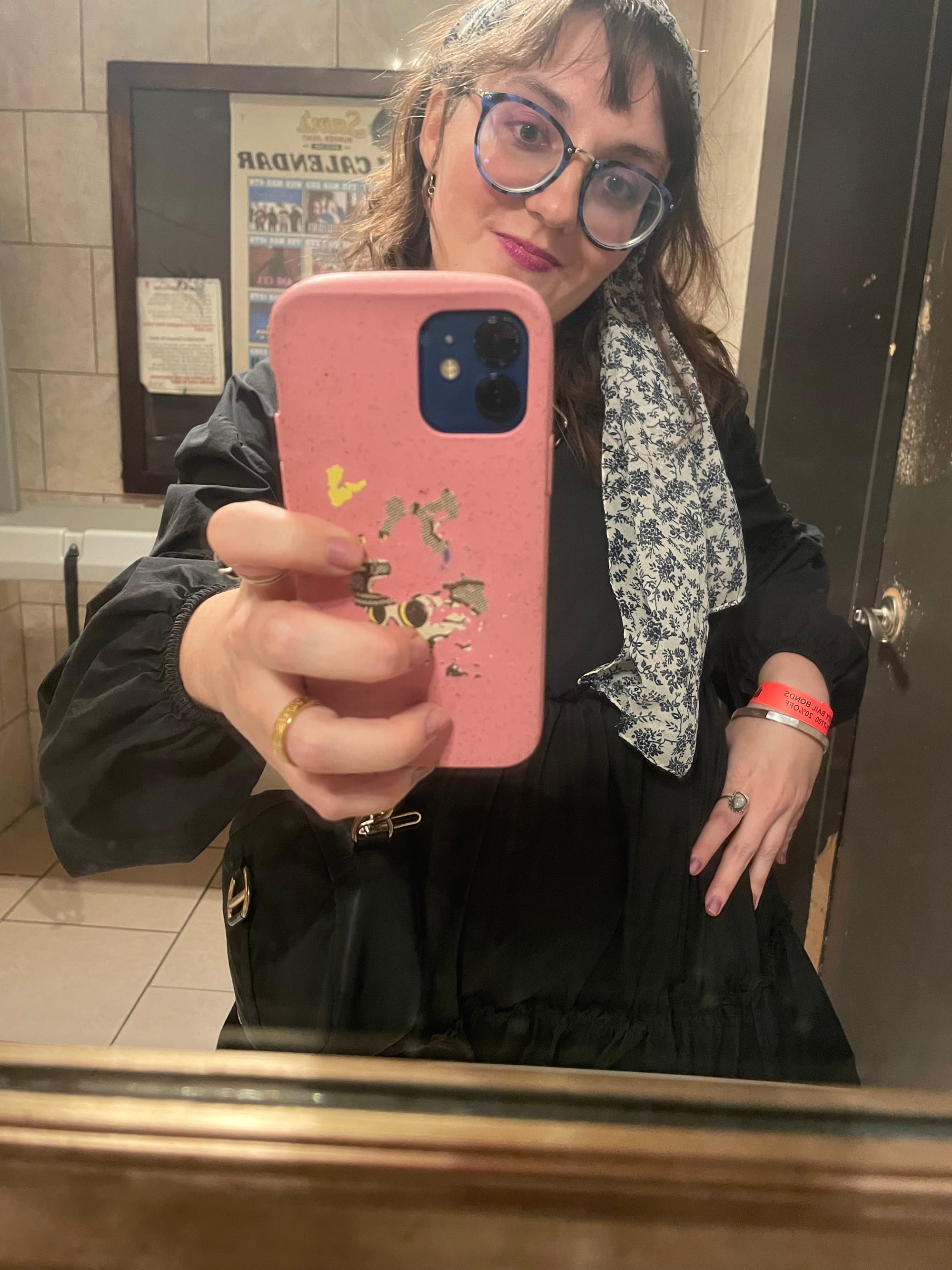
Chiara Pride
Chiara Pride is a queer, genderfluid, neurodivergent, and disabled writer and artist who lives in San Antonio. Growing up here inspires everything they do. They’ve helped research and publicize the resilience and brilliance of LGBTQ young adults in Central and South Texas who are surviving by building communities of care composed of supportive family and friends despite state oppression. Chiara now writes essays about resisting fascism and the liberatory power of creativity, play, and mutual aid. Liberation looks like communities where everyone has quality food, healthcare, housing, childcare, and education. When they aren’t waxing poetic about building brighter tomorrows, Chiara enjoys listening to other people do the same. Some of their essays are hidden in random corners of the internet but their official work you can find here: https://linktr.ee/ChiaraPride
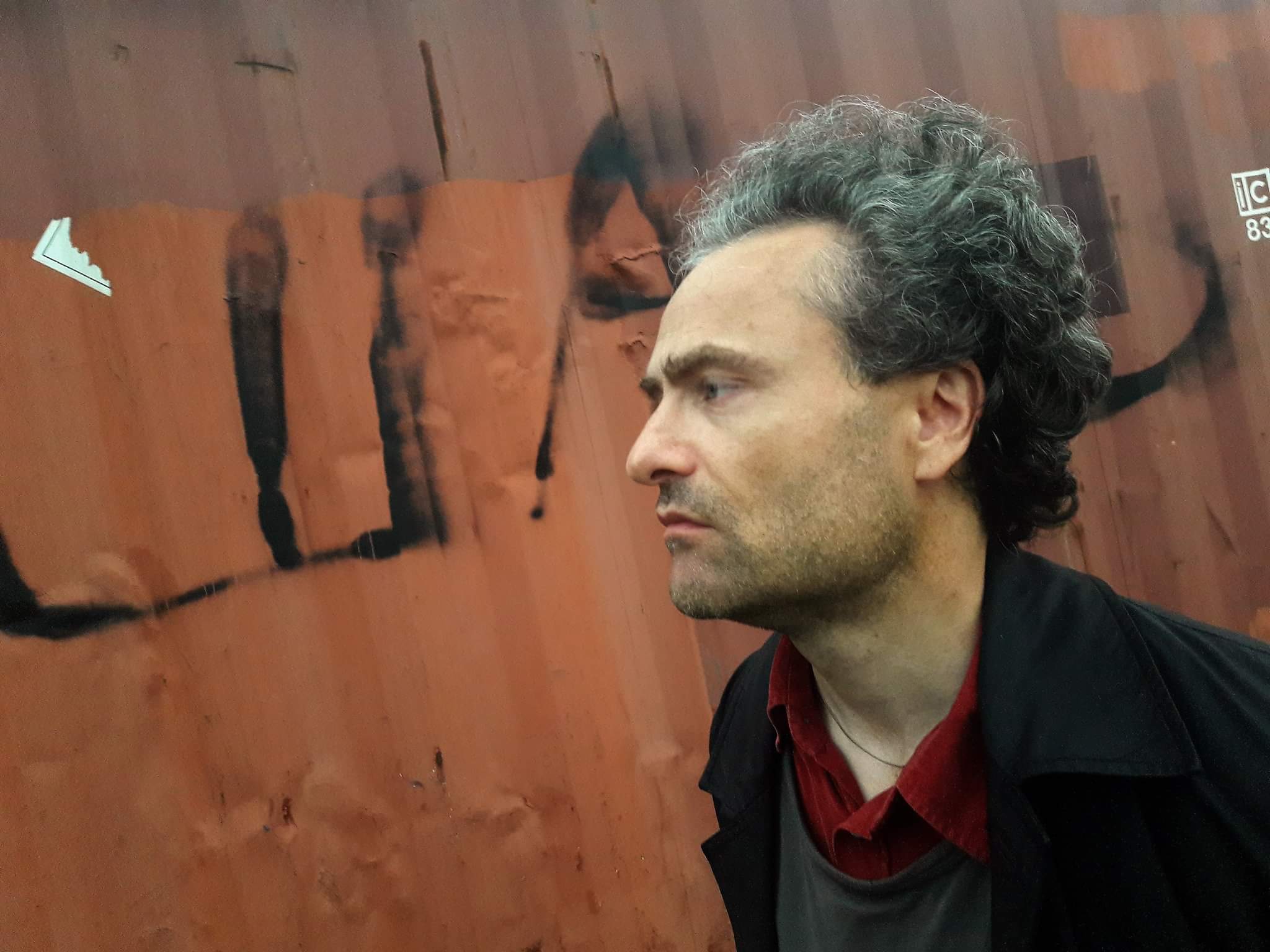
Douglas Park
Douglas Park is a U.K and Belgium-based, internationally active and exposed artist, author, critic and curator. He makes written art, prose-essays, and almost kinda “normal” supportive essays. His work takes various forms (exhibits, publication, audio, moving image, online, broadcast, events, residencies, curation), has been translated into a number of languages (Arabic, Welsh, French, German, Dutch, Polish, Italian, Korean, Danish, and Indonesian), and has appeared both solo and alongside others in collaborative joint ventures, with occasional and more recidivistic serial playmates-in-crime. Email him at douglasrpark@gmail.com
Photo Credit: Oriana Dierinck
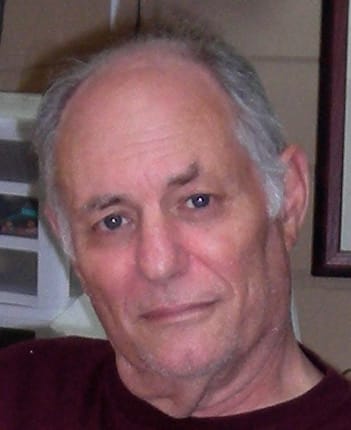
Herb Herschlag
Herb Herschlag studied at Pratt Institute in NYC; his long career was as a designer for advertising, publishing, television and textiles. He works in watercolor, pen & ink, graphite, colored pencil, and acrylic, and on numerous paper surfaces: watercolor, bond, tracing, canvas, and Tyvek. From abstract to surreal, he expresses emotions from darkness to joy or humor. His pictures can be viewed at http://www.PoetryProseArtByHerschlag.com
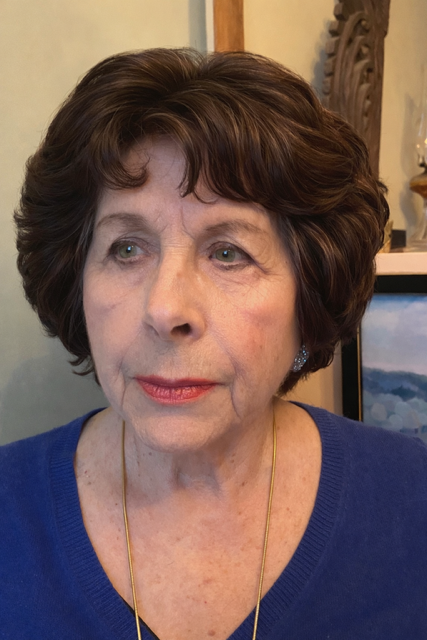
Jane Berger Herschlag
Jane Berger Herschlag’s poetry and photography collection, When the Mouth Can’t Speak the Body Will, is published by Finishing Line Press. Bully In the Spotlight, her 40-page docu-poetry chapbook is published by Pudding House Publications. An award-winning writer, her poems and prose are included in anthologies, university presses, and online. You can view her website at PoetryProseArtByHerschlag.com
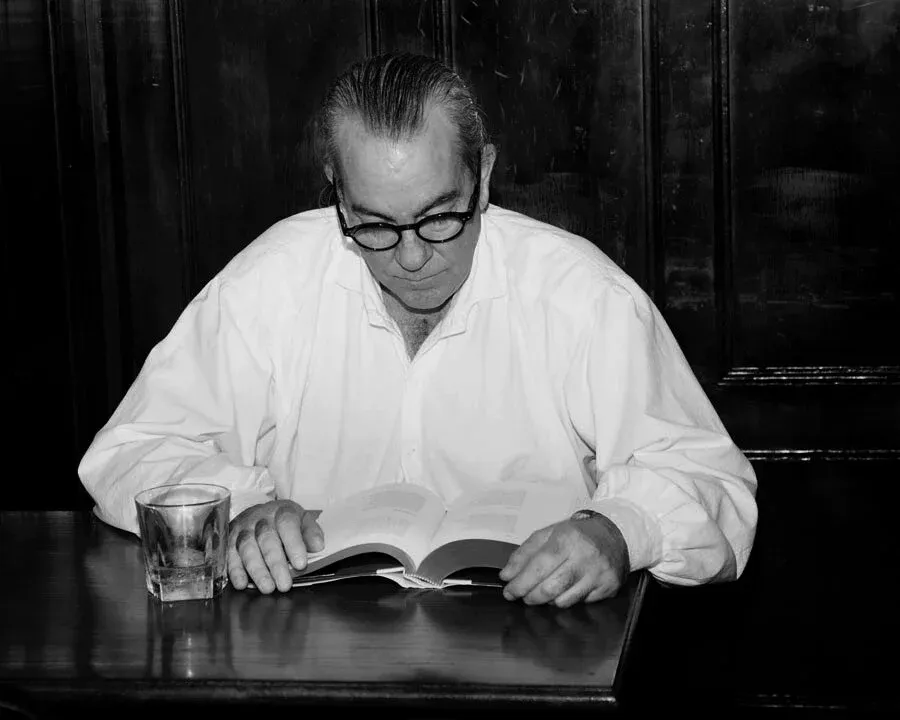
James R. Dennis
James R. Dennis is a poet, a novelist, and a Dominican friar. Along with two friends, he is co-author of the Miles Arceneaux mystery series; he also writes and teaches on spiritual matters. He has written three collections of poetry, Correspondence in D Minor, Listening Devices, and Songs of Seven Days. In 2023, his collection Listening Devices won the International Book Award. In 2024, Songs of Seven Days won with silver medal for religious poetry from the International Book Awards and the Best Book Award for Contemporary Poetry and won the IBPA (“Ben Franklin”) Award in 2025.
James was born in West Texas and now lives
in San Antonio with two ill-behaved dogs, Wallace and Yeats.
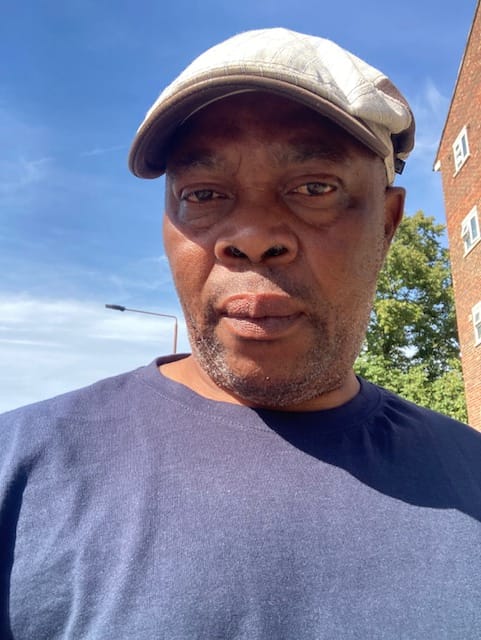
Jonathan Chibuike Ukah
Jonathan Chibuike Ukah is a Pushcart and Best of the Net-nominated poet living in the United Kingdom. His poems have been featured in TABS, The Journal of Poetry & Poetics, The Pierian, Propel Magazine, Atticus Review, The Journal of Undiscovered Poets and elsewhere. He won the Alexander Pope Poetry Award in 2025, and the Atlantis Poetry Prize 2026, the Sublimation Annual Poetry Contest 2026, and the Empyrean Poetry Contest 2026. His first Chapbook, A is for Anfang was released in December 2025 by the Island of Wak-Wak.
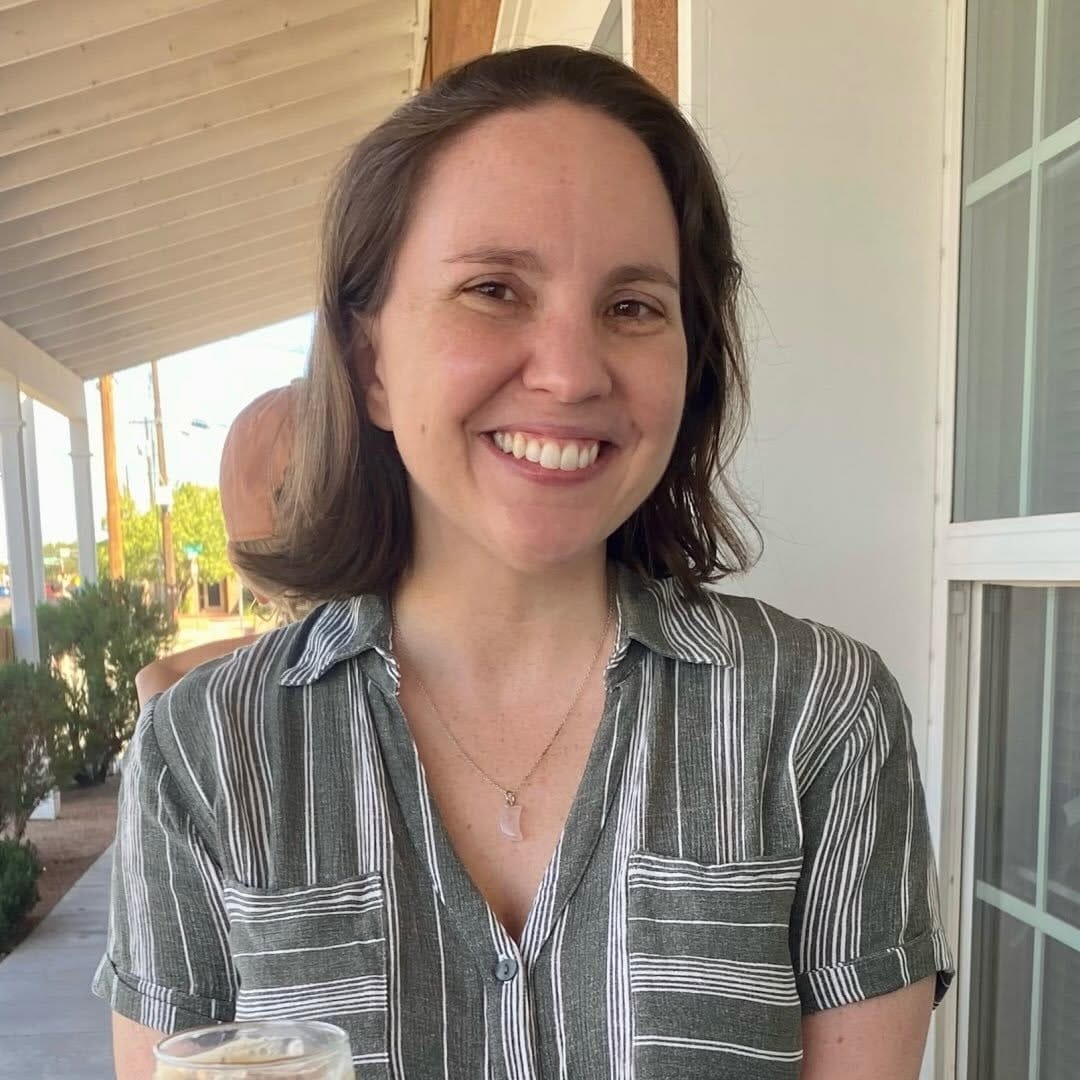
Liz DeGregorio
Liz DeGregorio (she/her) is a poet, writer and editor living on Lenape (Lenapehoking) land in New York City. Her work has appeared in The Brooklyn Rail, Electric Lit, The Rumpus, Catapult, Bowery Gothic, ANMLY, Little Fruits, BUST, Ghouls Magazine, OyeDrum, Dread Central and other publications. She has also performed at the reading series Stranger Stories and The Ghost Presents: Literary Libations.
Sarah Gilchrist
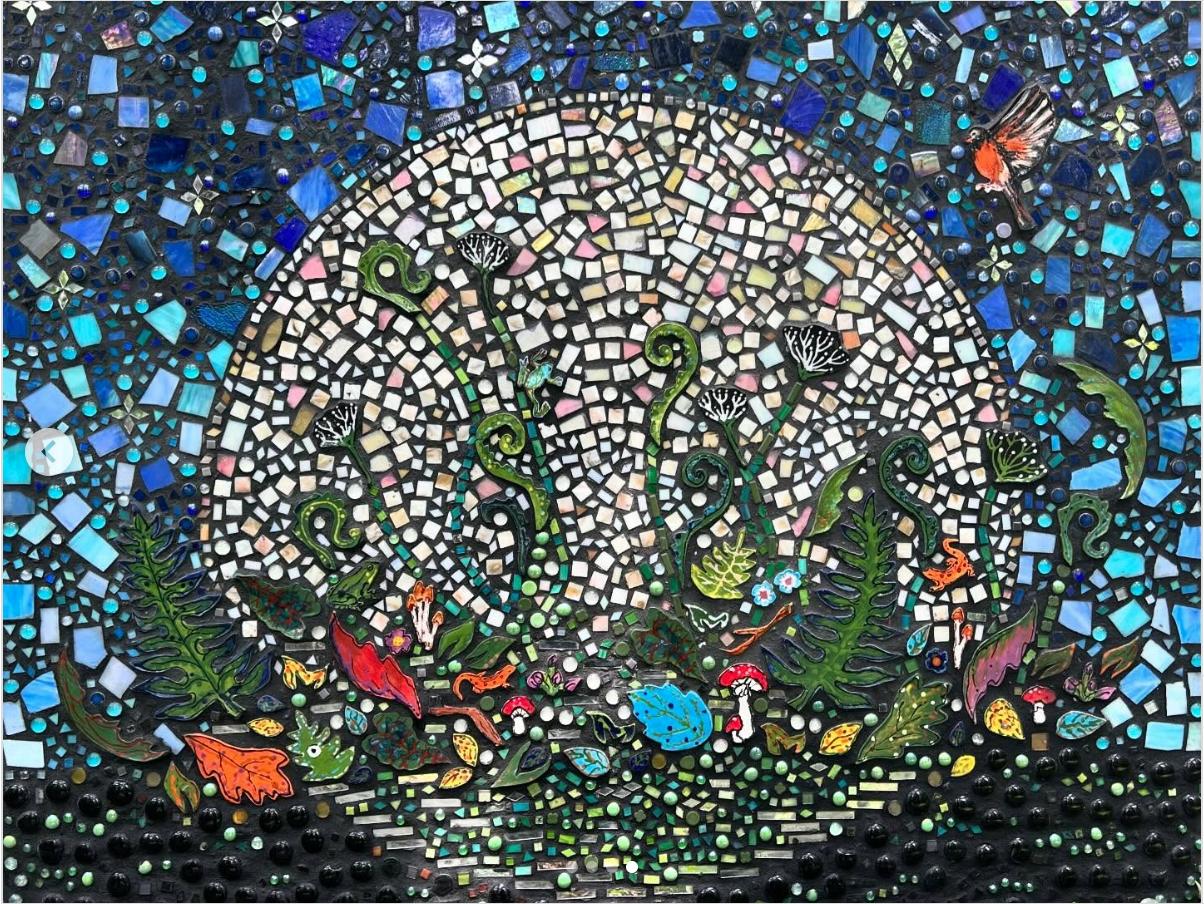
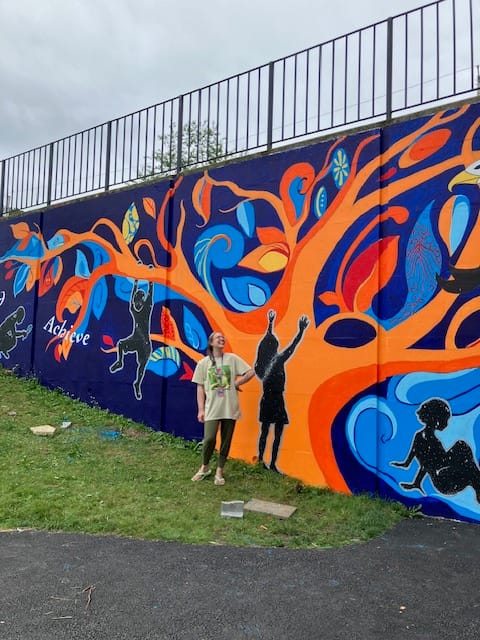
Sarah Gilchrist is an elementary school art teacher in Westchester, NY who is passionate about empowering children to make their own creative choices and explore their individual interests without adult-imposed restrictions and ideas of what children’s art “should look like”. She believes all her students are already artists and that she only facilitates, teaches, and provides the means for them to bring their ideas to life in a safe, supportive environment. In the last few years she has led her school community in some large scale collaborative murals, including another (much larger) mosaic mural (pictured here). In her spare time you will most likely find her reading horror novels with two dogs on her lap, attempting to garden the untamable wilderness that is her yard, making enjoyable messes that sometimes becomes art, or thrifting oddities in her local Connecticut antique markets.
Deceleration's quarterly creative review is edited by Marisol Cortez, an ecojustice writer, teacher, and community-based scholar based in San Antonio, Tejas. Look for future calls for submission here!


