Welcome to Deceleration In Depth, where we are growing solutions for an overheating world. We highlight the latest global, national, and regional developments in climate and environmental justice to better inform local action. Deceleration is rooted in San Antonio and the South Texas bioregion but our concerns and enthusiasm are broad. Pitch us your story idea at editor@deceleration.news.
- Click any story below to log in to our new website
- Become a paying supporter today—with benefits!
- Review Deceleration on Apple Podcasts or Facebook or ... wherever.
- Forward this email to friends; grow the work.
- Subscription info at the bottom of every email.
What do you want us to cover next? Members may leave a comment below.
Reporting
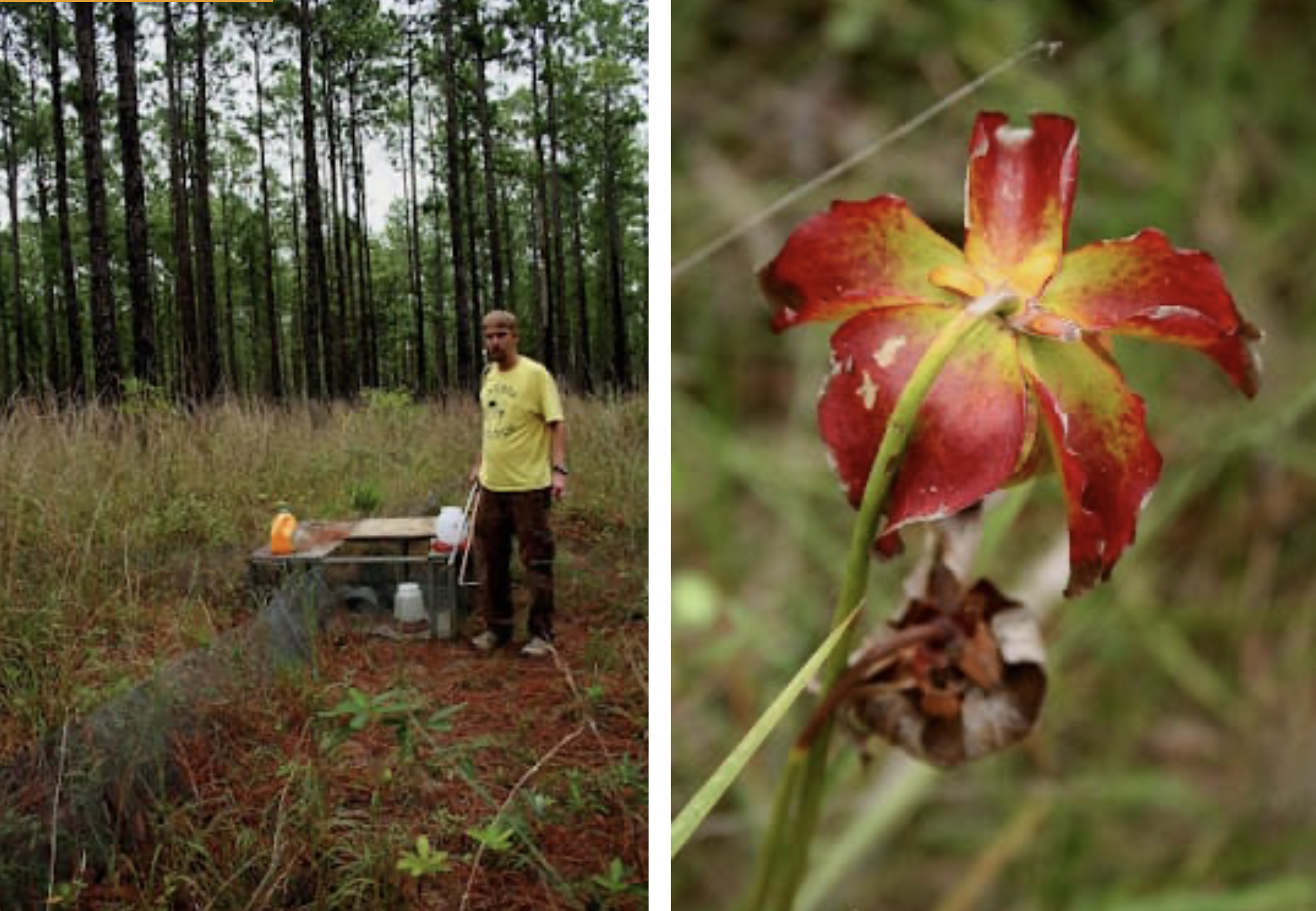
Privatizing Our National Forests? Mass 'Reorganization' of Forest Service—Including Closing Nacogdoches Research Station—May be First Step
Massive changes to the Forest Service and shifting priorities endanger long-term ecological research, science, and the future of our public lands, writes Wendee Nicole.
Wendee Nicole | Deceleration
“Science is dangerous; we have to keep it most carefully chained and muzzled.”
—Aldous Huxley, 'Brave New World'
Twenty years ago, as a youngish and still-hopeful-about-the-world Ph.D. student, I trudged through a murky swamp in Davy Crockett National Forest, catching frogs. I’d first reported a story for Texas Parks & Wildlife Magazine in my article, "It’s Not Easy Being Green."
“It’s a sunny, blue-sky Texas day in late October and I’m about to go frogging with Dan Saenz, U.S. Forest Service wildlife biologist in Nacogdoches. A Gary Larson Far Side cartoon with a banjo-playing frog adorns his door. The frog is singing something to the effect of: ‘My baby’s left my lily pad, I’ve got the greeeens, oh baby, I’ve got the greeeens’.”
Mucking about in forests and swamps—this felt like a life I wanted. So I started studying frogs, catching them and recording their croaks and chirps on “frogloggers.” Though my short-lived project ended, dedicated U.S. Forest Service scientists based at the Research Station in Nacogdoches have carried out long-term ecological studies throughout more than 675,000 acres of national forests in east Texas: Angelina, Sam Houston, Sabine, plus the Stephen F. Austin Experimental Forest. These studies range from investigations into endangered red-cockaded woodpeckers and Louisiana pine snakes to understanding forest and wetland ecosystems, and how climate change, invasive species, timber harvesting, and oil and gas affect them.
Much of the research may soon end.
Coastlines/Faultlines
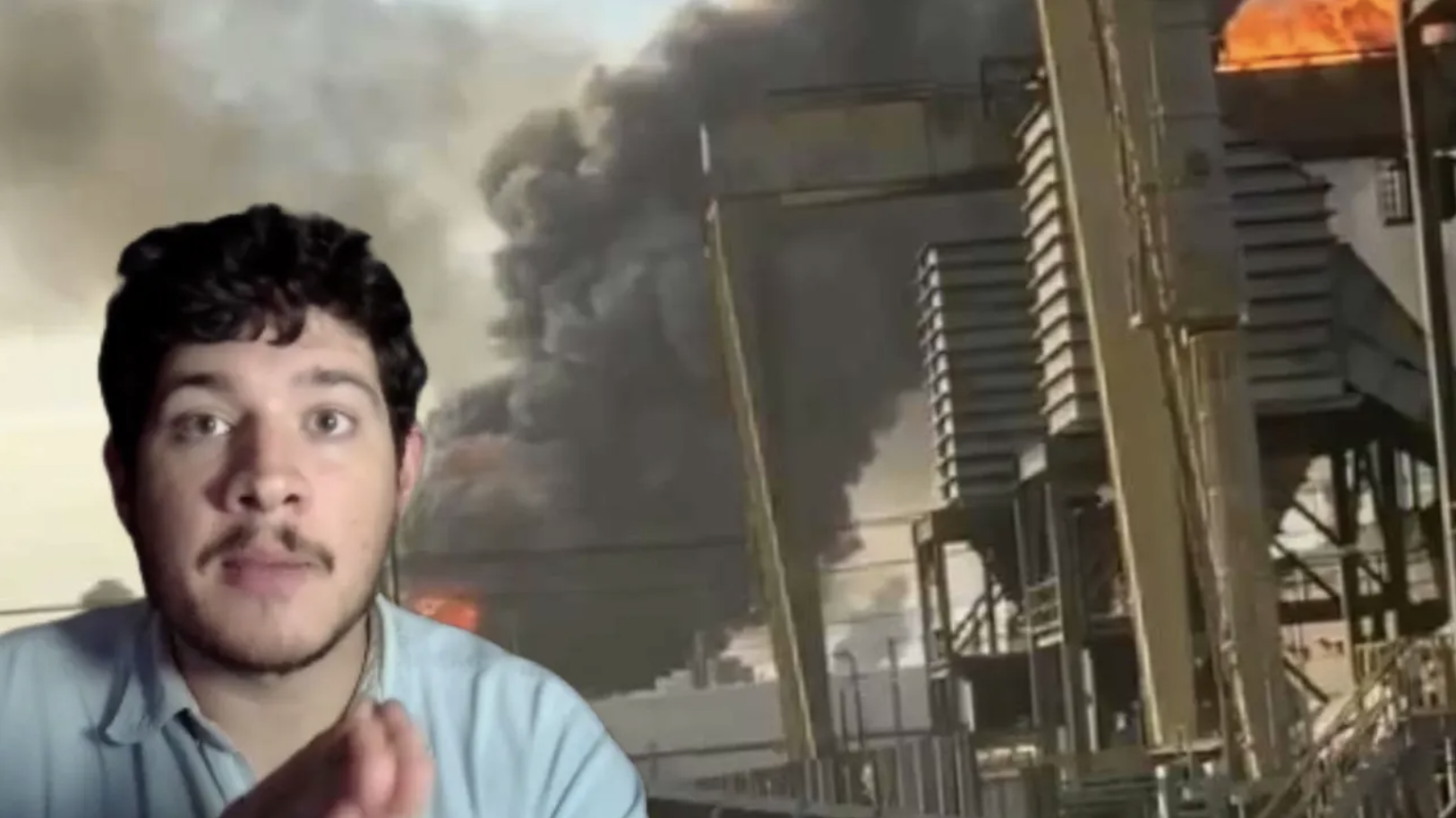
Valero’s Port Arthur Refinery Explosion: Fossil Fuels Will Always Spoil the Good Life
Deceleration reports back from the 2-day statewide convening of residents fighting data center buildout—from El Paso to Dallas to San Antonio and down to the RGV.
Gaige Davila | Deceleration
Hello from somewhere outside of Flagstaff, Arizona, where it is hovering just above 30 degrees as I write this a few hours before sunrise. There’s an almost-full moon out that has absorbed whatever small amount of light Flagstaff throws into the night sky. From this small cabin in the middle of the Coconino National Forest, I can see the pines and sagebrush outside are coated in blue, the kind of blue you can only see when you’re not near any light at all, not even stars. I have not seen this blue since Winter Storm Uri in 2021.
Back during that winter freeze, I had spent some of those nights sleeping in my car and office for warmth while reporting on the storm’s impact for the Port Isabel-South Padre Press. For whatever reason, Garcia Street in Port Isabel still had power when much of the area did not. On the coldest night that week, a few friends and I took whatever brush we could find in Laguna Heights and used that as a base for firewood we stole from someone’s pile in a nearby alley and torched it with stale gasoline, cursing a list of local, state, and national officials through the night.
When that fire finally died, that’s when I saw the blue. With no light pollution from South Padre Island or the Port of Brownsville, I saw the night sky as it was for the first time. I don’t remember how late it was, but I do remember feeling the next day that if I ever saw that color there again that something had gone wrong.
Reporting
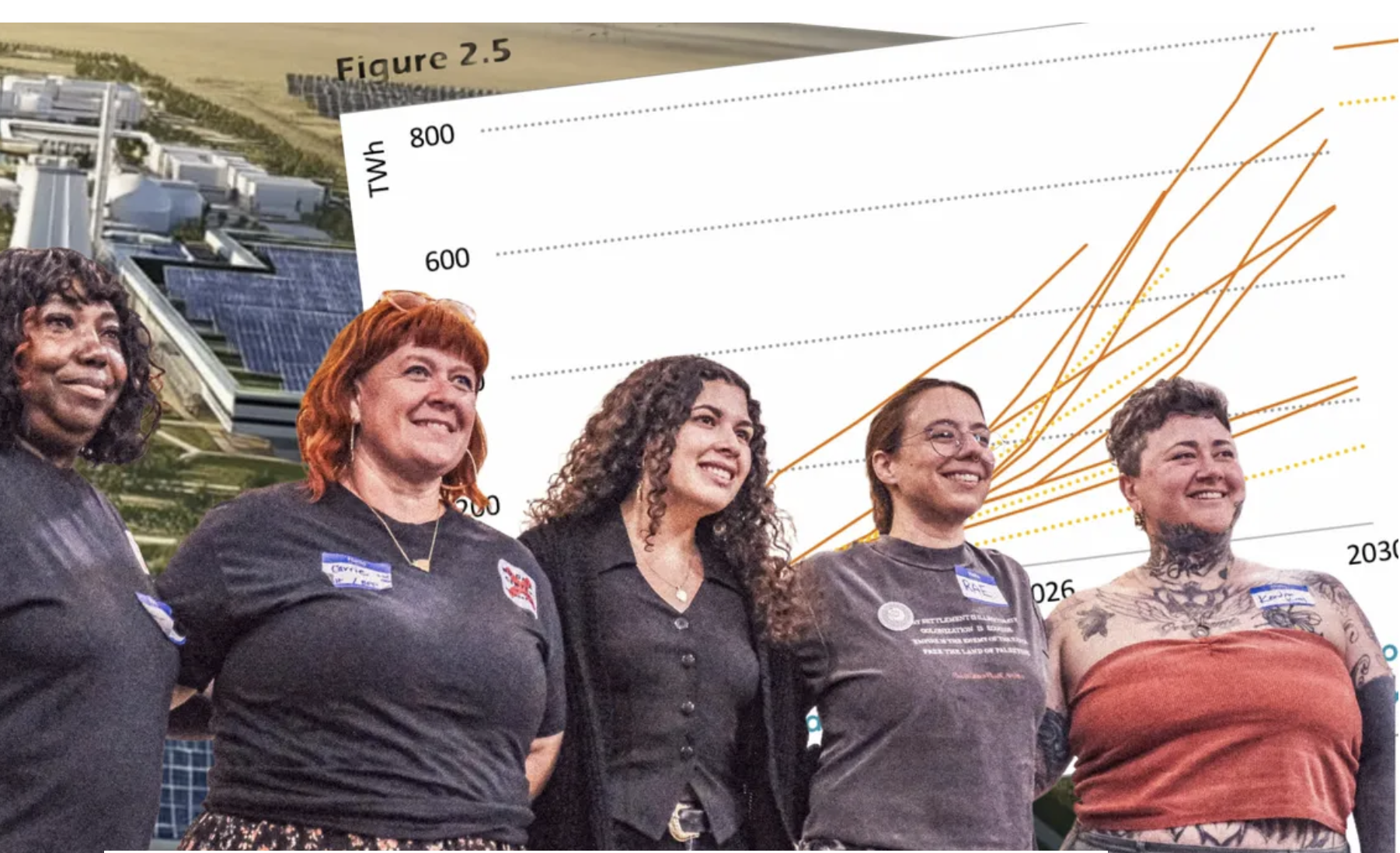
Critical Texas Data Center Fights Happening Right Now
Residents from across Texas convened in San Antonio recently to learn from one another in their fight against water- and power-hungry data centers ushering in a new economic era expected to displace millions of workers.
Greg Harman | Deceleration
Inside the chambers of a Westside San Antonio church they gathered. They learned about one another’s fights against data centers. Some of the facilities discussed were on the smaller side, some globally significant. Some of the projects they discussed expected to tap into local power lines, others propose building their own power plants, even large-scale nuclear plants. Most expect to use a lot of water and require sizable amounts of land.
However, those inside the Texas Data Center Rebellion two-day convening weren’t just fretting the land, water, or power. Many were more broadly concerned about the what the data centers—and the artificial intelligence many of them are intended to incubate—are intended to produce. It was only a few years ago that many who are now profiting off of AI were warning about the existential risk the technology poised to humans on Earth.
They discussed AI-powered autonomous weapons systems, such as those behind the recent double-tap strike in Iran that killed an estimated 165 school children, domestic surveillance activities under an increasingly authoritarian government, and the widely expected mass displacement of entire categories of human workers.
Last week, Deceleration published an overview of the gathering for our Water & Power newsletter. Today we want to share some of the key voices assembled in San Antonio and highlight some of the fights they represent.
Reporting
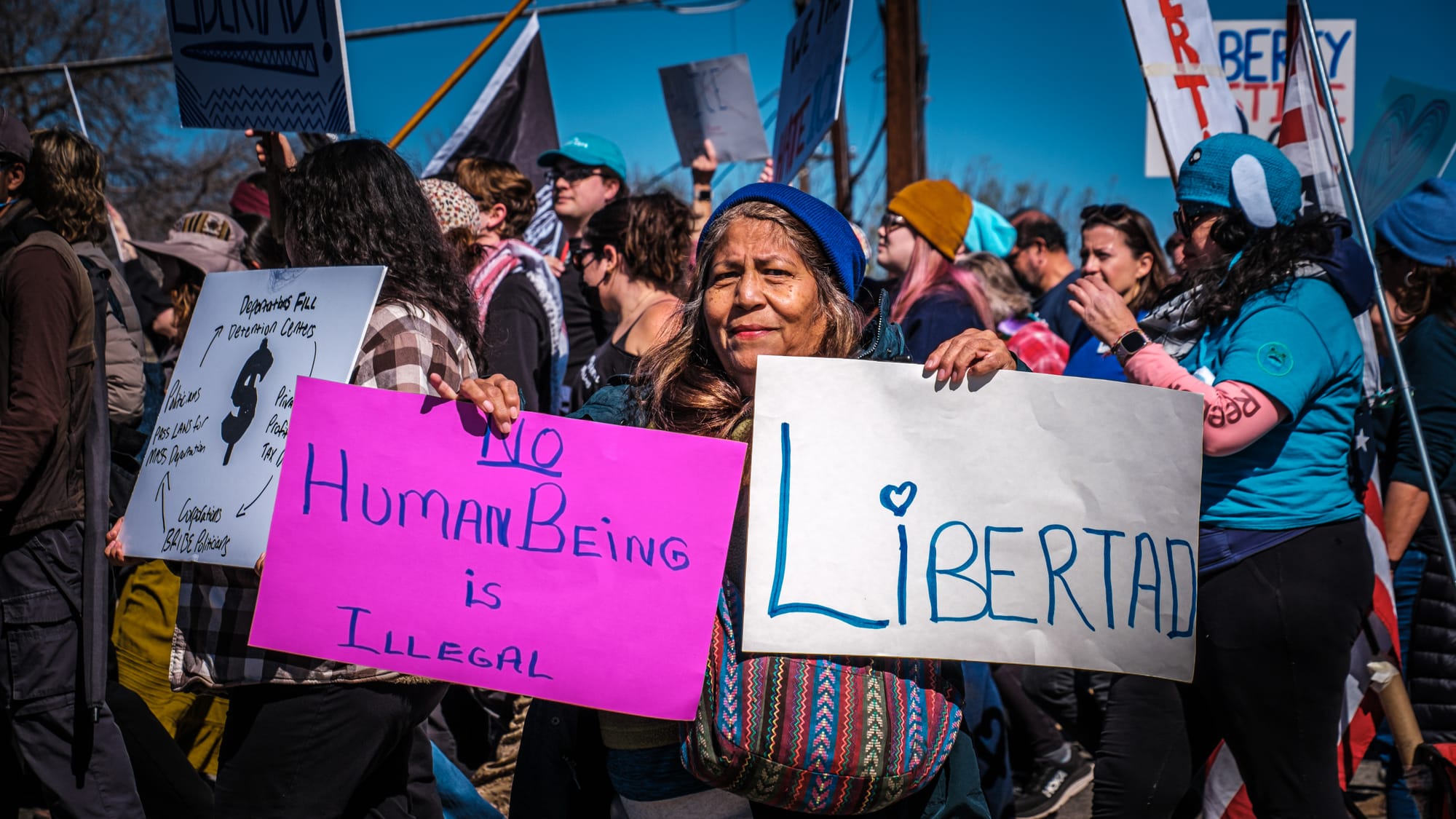
Judge’s Order for “Alligator Alcatraz” May Shape Legal Access at Other ICE Jails
Constitutionally guaranteed rights to consult an attorney can make a huge difference in whether someone gets deported.
Renée Feltz | Truthout
When Immigration and Customs Enforcement (ICE) started sending people to a new tent-based jail nicknamed “Alligator Alcatraz” deep in the Florida Everglades last July, it indicated a shift toward using quickly opened soft-sided structures and converted warehouses to hold thousands of people in chain-link fence cages with no access to a lawyer.
“It was kind of a black box,” Paul Chavez, the director of litigation with the Florida-based Americans for Immigrant Justice, told Truthout. “Attorneys would drive out there to ask to see their clients and be turned away at the gate by armed guards.”
Now, a federal judge has ordered officials with ICE and the Florida Department of Emergency Management as well as the contractors who run Alligator Alcatraz to ensure people held there can access confidential legal calls and meetings, and to allow their lawyers to make unscheduled visits. The constitutionally guaranteed rights are also mandated in ICE’s own detention standards, and can make a huge difference in whether someone gets deported. The American Civil Liberties Union (ACLU) and immigrant rights advocates filed the case. The way it plays out could shape legal access at future ICE jails.
“This case presents a moving target,” U.S. District Court Judge Sheri Polster Chappell wrote in her preliminary injunction in late March, before launching into a caustic summary of how she faced “late-breaking evidence” when the contractor who coordinates legal visits announced new policies several times during his testimony.
Video
I was invited to speak to a church congregation this week for their Earth Month celebrations. I'll be talking about heat-related deaths and grieving the collapse of the planet's life support systems. I guess I should have figured I'd also be having some feelings, too, as I prepare my thoughts on the state of the world and our place in it. So I took a few minutes tonight to put those feelings in perspective. Here you'll find reflections on the meaning of environmental grief. And it probably shows that I'm not sleeping as much as I'd like. Follow Deceleration on YouTube.
"Take care of the babies. Take care of yourself. Check in on your neighbors." — Greg Harman