

Four modular nuclear reactors could soon power the Dow facility at Seadrift, Texas, all but eliminating a major source of pollution at the notorious facility. No, not the chronic slurry of plastic pellets that have been filling the bay and coating the shoreline for years, the subject of a recent state lawsuit. Not that pollution. This would allegedly displace the facility’s need for gas-fired power responsible for 500,00 metric tons of greenhouse gases released into the atmosphere each year, gases that are largely responsible for overheating the planet’s climate system. The power behind the pellets, in other words.
Positive press spin from outlets like Interesting Engineering and the Associated Press (which declared nuclear energy as “clean” energy, a fact belied by decades of mining contamination/poisonings and ongoing hunts for disposal solutions for radioactive wastes that last tens of thousands of years). The four units from X-energy (specifically, the Xe-100) could provide up to 320MW of electricity, the AP writes, or 800 megawatts of thermal power.
If the press has been positive, by and large, about this emerging new tech being directed toward heavy industry, the activists who have long been dogging Dow Chemical for its ecological abuses aren’t so sure.
“When we caught wind of nuclear coming in, this was new territory for us,” said Dan Lê of the San Antonio Bay Estuarine Waterkeepers.
So the group dialed a friend. Many friends, actually. And they reached the folks at Columbia Riverkeeper, an org with a compatible mission of “uniting people for clean water, climate action, and healthy communities.” It was also an org confronting a very similar proposal in Washington State, which has suffered its own legacies of radioactive contamination at the Hanford Nuclear Reservation, considered among the most contaminated sites in the United States.
“It turns out that X-energy was also pitching and proposing to do some kind of development out there [involving] Amazon and the public utility,” Lê told Deceleration.
"When we heard this we realized this is something that is very pivotal here. We were put into a position where we’re the guinea pig. Somehow if we could put a stop to it here, it would help out these other communities.”
Their response is the People's Conference on Nuclear Power Reactors being held in Seadrift, Texas, this weekend. Activists and area residents will review on Friday documentaries on the subject of nuclear power and convene again on Saturday for presentations and a community panel. Deceleration will livestream key discussions and report back in the coming week.
The event being held at the Seadrift Civic Center in downtown Seadrift is free but registration is recommended.
Schedule
9:30AM
- Program Starts
9:40 - 10:40 AM
- NUCLEAR POWER FROM THE COMMUNITY PERSPECTIVE (Tim Judson)
- RADIATION, WASTE, AND WEAKENED REGULATIONS (Diane D’Arrigo)
10:40 - 11:50 AM
- NUCLEAR ENERGY: GLOBAL LANDSCAPE AND RISKS (Dr. M.V. Ramana)
- THE PEBBLE BED REACTOR: NOT ALL IT’S CRACKED UP TO BE (Dr. Ed Lyman)
LUNCH
11:50 - 12:50 PM
- PROXIMITY TO NUCLEAR POWER PLANTS AND CANCER RISK: A MULTI-SCALE EPIDEMIOLOGICAL INVESTIGATION IN THE UNITED STATES (Dr. Yazan Alwadi)
1:00 - 2:00 PM
- PANEL DISCUSSION: PROTECTING OUR COMMUNITIES
Speakers
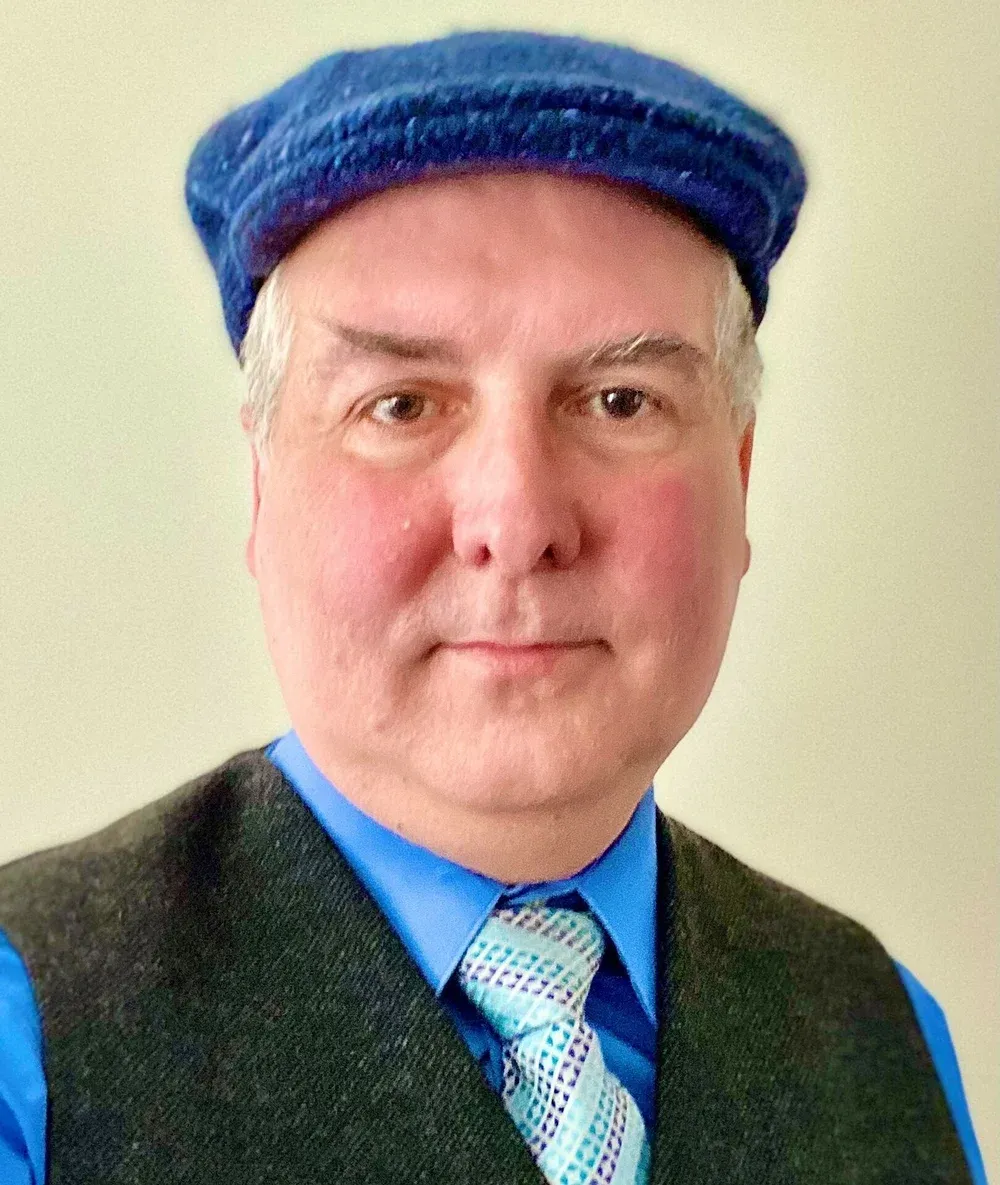
TIM JUDSON
Tim joined NIRS September 2013 as Associate Director, and has served as Executive Director since 2014. Tim leads NIRS’s work on nuclear reactor and climate change issues, and has written a series of reports on nuclear bailouts and sustainable energy. Chair of the Board of Citizens Awareness Network, one of the lead organizations in the successful campaign to close the Vermont Yankee reactor; co-founder of Alliance for a Green Economy in New York.
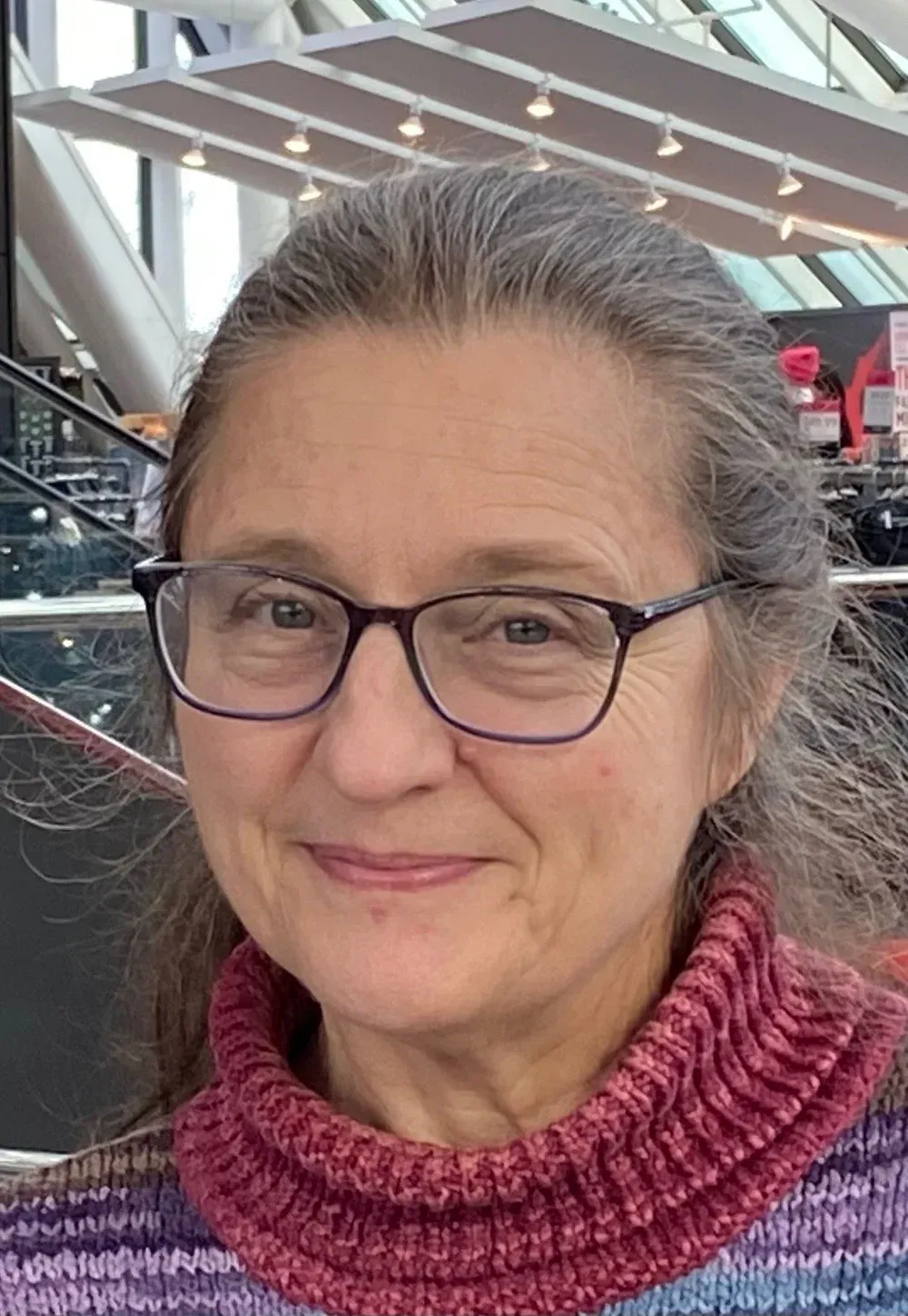
DIANE D'ARRIGO
Diane D'Arrigo is Radioactive Waste Project Director at the Nuclear Information and Resource Service (NIRS). She holds degrees in chemistry and environmental studies, and began her career studying pollutant bioaccumulation in the Great Lakes before working as a community organizer and researcher for environmental groups. For decades, D'Arrigo has tracked nuclear waste issues, including high-level and so-called "low-level" commercial and weapons waste, leaking burial sites, and the threat of irradiated fuel reprocessing. She has challenged unnecessary nuclear waste transport and coordinated national and international opposition to deregulating nuclear waste that would allow it to be dumped as ordinary trash or made into everyday household items.
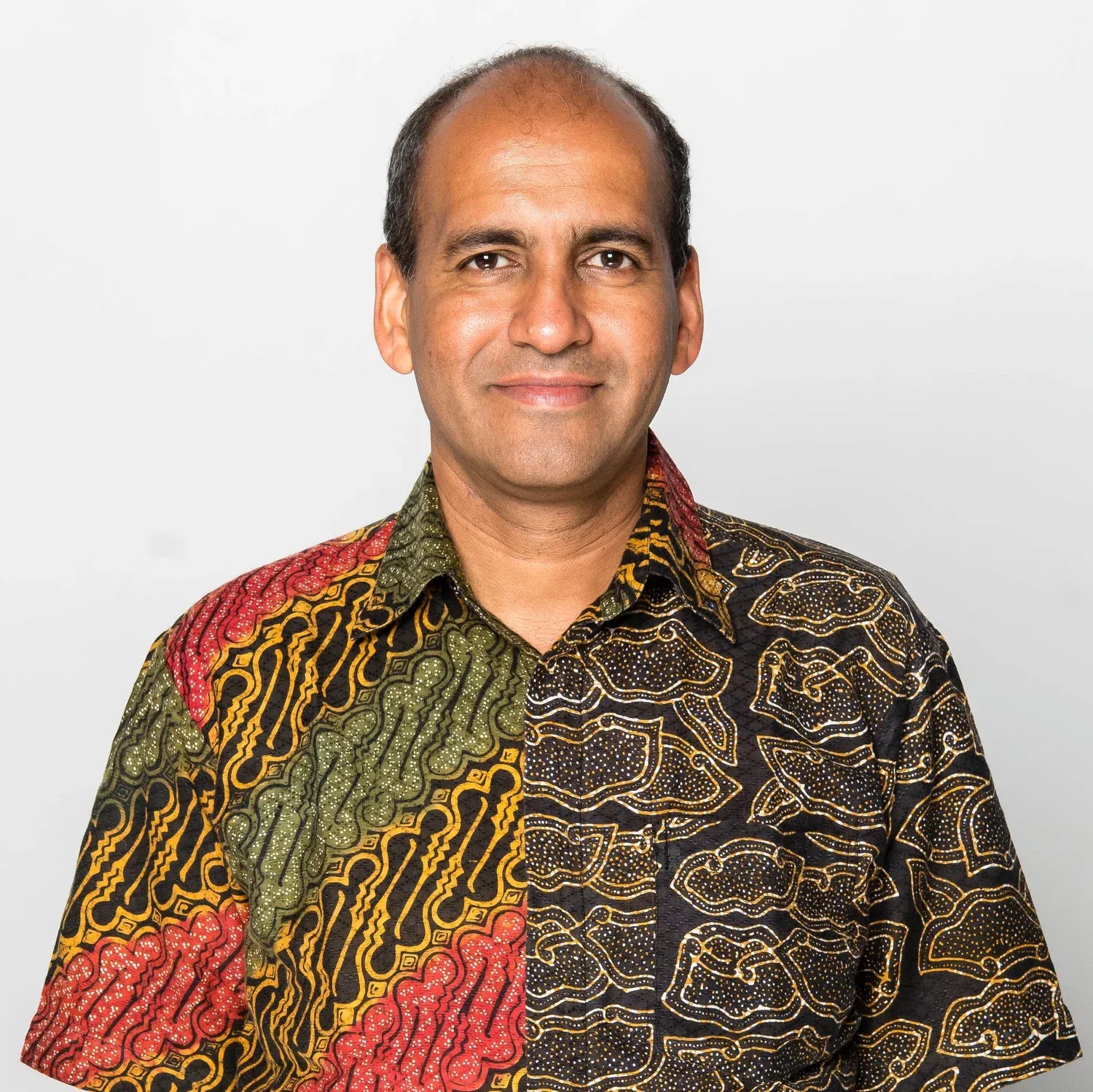
M.V. RAMANA
M.V. Ramana is the Simons Chair in Disarmament, Global and Human Security and Professor at the School of Public Policy and Global Affairs, University of British Columbia, Vancouver, Canada. He is the author of Nuclear is not the Solution: The Folly of Atomic Power in the Age of Climate Change (Verso, 2024) and The Power of Promise: Examining Nuclear Energy in India (Penguin, 2012). Ramana is a member of the International Panel on Fissile Materials and the International Nuclear Risk Assessment Group, and contributes to the annual World Nuclear Industry Status Report. He is the recipient of a Guggenheim Fellowship and a Leo Szilard Award from the American Physical Society.
EDWIN LYMAN
Edwin Lyman is an internationally recognized expert on nuclear proliferation, nuclear terrorism, and nuclear power safety and security. Based at the Union of Concerned Scientists since 2003, he has testified numerous times before Congress and the Nuclear Regulatory Commission and has published in Science, the Bulletin of the Atomic Scientists, and Arms Control Today, among others. He co-authored Fukushima: The Story of a Nuclear Disaster (New Press, 2014) and is a member of the Institute of Nuclear Materials Management. Dr. Lyman received the Leo Szilard Lectureship Award from the American Physical Society in 2018. He holds a doctorate in physics from Cornell University.
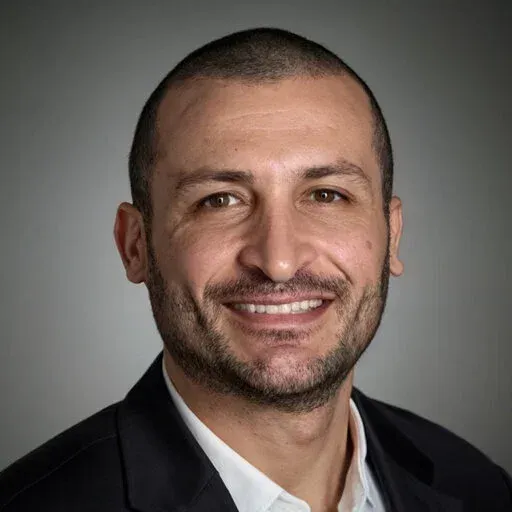
YAZAN ALWADI, PH.D., S.M.
Yazan Alwadi, Ph.D., S.M., is a Postdoctoral Research Fellow in the Department of Environmental Health at the Harvard T.H. Chan School of Public Health. His research focuses on the health impacts of environmental exposures, including nuclear power plants, extreme heat, air pollution, and climate-related hazards. Drawing on training in engineering, biostatistics, and environmental health, he integrates exposure science and epidemiologic methods to address complex public health questions. Prior to academia, Dr. Alwadi spent a decade leading multidisciplinary teams on major international energy infrastructure projects across the Middle East, Europe, and Asia before completing his Ph.D. in Environmental Health and S.M. in Biostatistics at Harvard University.
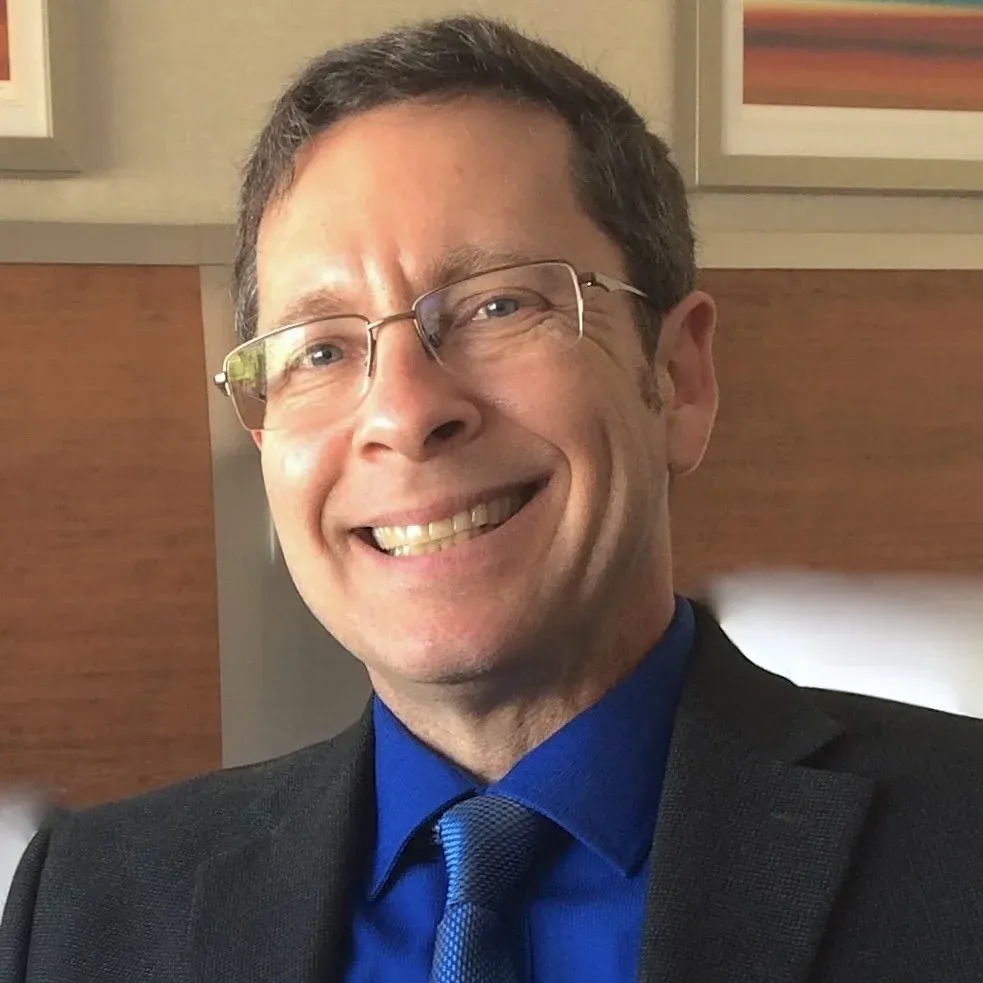
DAVID WEISMAN
David Weisman recently retired as Executive Director of the Alliance for Nuclear Responsibility, a utility ratepayer watchdog organization where he served for 21 years. Before his advocacy career, he produced award-winning environmental documentaries for PBS and directed the Texas Legacy Project, an oral history of prominent Texas environmentalists. He also spent four years organizing with the Oaks Project, including petitioning, legislative lobbying, and media outreach. At the Alliance, Weisman wrote legislation adopted into California law and played a key role in the shutdown of the San Onofre Nuclear Generating Station and negotiations to retire the Diablo Canyon Nuclear Power Plant.


