

The intensive power and water demands of AI-driven data centers are surging across the United States. In some areas the impact is apparently negligible. Water impacts, though egregious in many cases, can be almost imperceptible. But when it’s bad, it’s really, really bad. Nearly half of all water consumption in population-15,000-population Dalles City, Oregon, for instance, went down the pipes of Google data centers last year, even as residents brace for their water bills to double.
Noise and heat generated by data centers are known to harm food crops—and possibly wildlife. The Nashville Zoo recently enlisted the public’s support in seeking to block a data center from setting up next door, highlighting how much is still unknown.
“How are we to know this new data center will not lead to irreversible damage to the animals we exist to protect?” the Zoo’s petition asks.
A class-action lawsuit against Microsoft just lifted off over noise complaints in Minnesota.
While direct water demands can be mediated to some extent through “closed-loop” cooling systems, these systems increase power demands that often bring their own significant water-based cooling needs. They can also leave troubling toxics and bacteria in their wastewater slurries that simply aren't treatable by many water systems.
And while much good could flow from AI development, perhaps most obviously in health care, it often feels like the worst possible version of AI is what is actually being rolled out by the worst possible actors.
AI data centers require the same things as all of us: land, water, and power. Increasingly, the mad rush to build them pits people into what feels like existential competition. Although in today's ever-expanding AI bubble of wealth accumulation, long gone are the days of warnings about AI's potential to unalive the human species.
With existing utilities unprepared or unwilling to throw up new power plants to serve such highly speculative endeavors, many data centers are building their own. Though nuclear is getting renewed attention of late, gas-fired power plants have proven to be the power choice for most. A recent report by the Environmental Integrity Project shows that “at least” 74 gas-fired plants are in development, with the potential to emit as much planet-warming gases as Australia.
“These proposed gas plants, which would be dedicated to serving data centers, are expected to generate 143 gigawatts of electricity – enough to power the state of California nearly three times over,” the report’s summary reads.
(These are power plants that President Donald Trump announced on Monday he intends to fast track.)
EIP's spreadsheet left out at least one power plant in development on San Antonio's far West Side. In fact, both Vantage Data Center campuses—one near SeaWorld, subject of a withering public hearing in May, and one in Texas Research Park, which has its own public hearing in August—have gas-fired power plants in development.
AI Power Plants
Exploring Vantage Data Centers massive TX-11 data center in development. Details about the August 17, 2026, public hearing at close.
Communities have rallied against data centers across the country, including in Texas, which is now considered a global epicenter of data center development. They've been so effective, they made it onto the Trump administration's protestor hit list.
Hood County commissioners ultimately walked back a proposal to pause all industrial development in an effort to keep data centers at bay until the risks are better understood—but only after receiving a threatening letter from a state senator.
In San Marcos, home to clusters of sacred springs feeding vital area rivers, city leaders decided to rise to the potential legal challenges by pushing forward a data center ban after overwhelming community pressure.
And a popular petition drive in the emerging tech hub of Taylor, Texas, is poised to slam the brakes (possibly tonight) on further data center development. Local activists there are committed forcing a pause until new zoning categories to meet the moment.
"If you're going to tell us it's inevitable to have data centers, that they are the infrastructure of the digital age and we are having an Industrial Revolution, then you need a zoning category that deals with that," said Carri D’Anna of HALT Taylor Data Centers told Deceleration.
Whether due to the individual liberties-threatening surveillance tech crammed into those myriad racks of servers or the earned reputation for devouring the essential elements of human survival, data centers are proving wildly unpopular across the political spectrum. And they have inserted a political wildcard into drought-plagued Texas politics on the cusp of a critical national and state election.
Rising anger among rural and frequently politically conservative Texans forced Governor Greg Abbott to scratch a feeble line in the creosote on data center development. Abbott had previously sought to match President Trump’s self-dealing crypto and AI embrace. But in the face of mounting resistance, he recently promised to get the next Legislature to make sure data centers contribute to the power grid, don't raise power bills, and limit their water use through so-called "closed loop" systems.
The power demands of AI data centers are also upending power policies in San Antonio, Texas, the nation’s seventh largest city. Just not our politics. Yet.
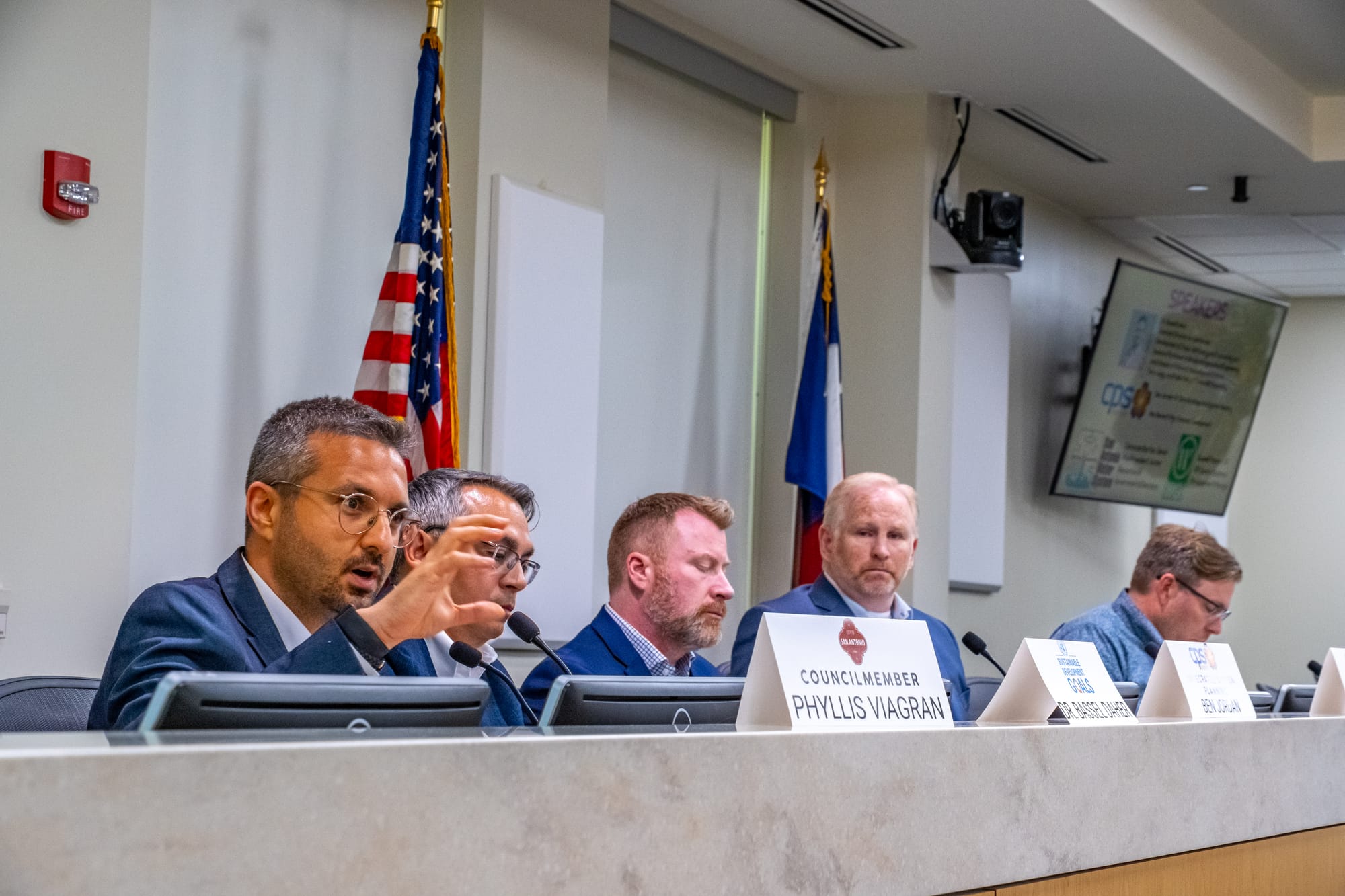
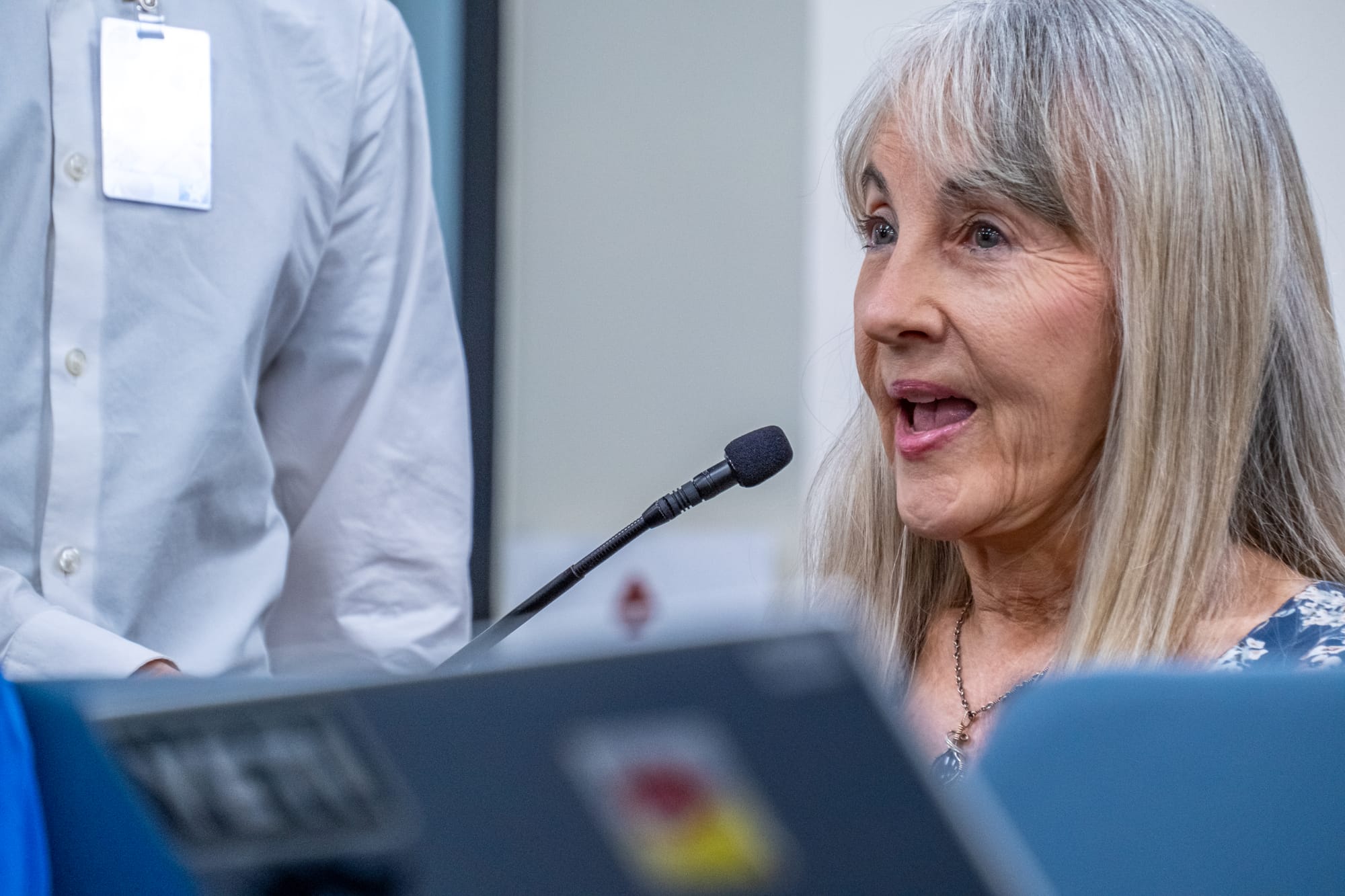
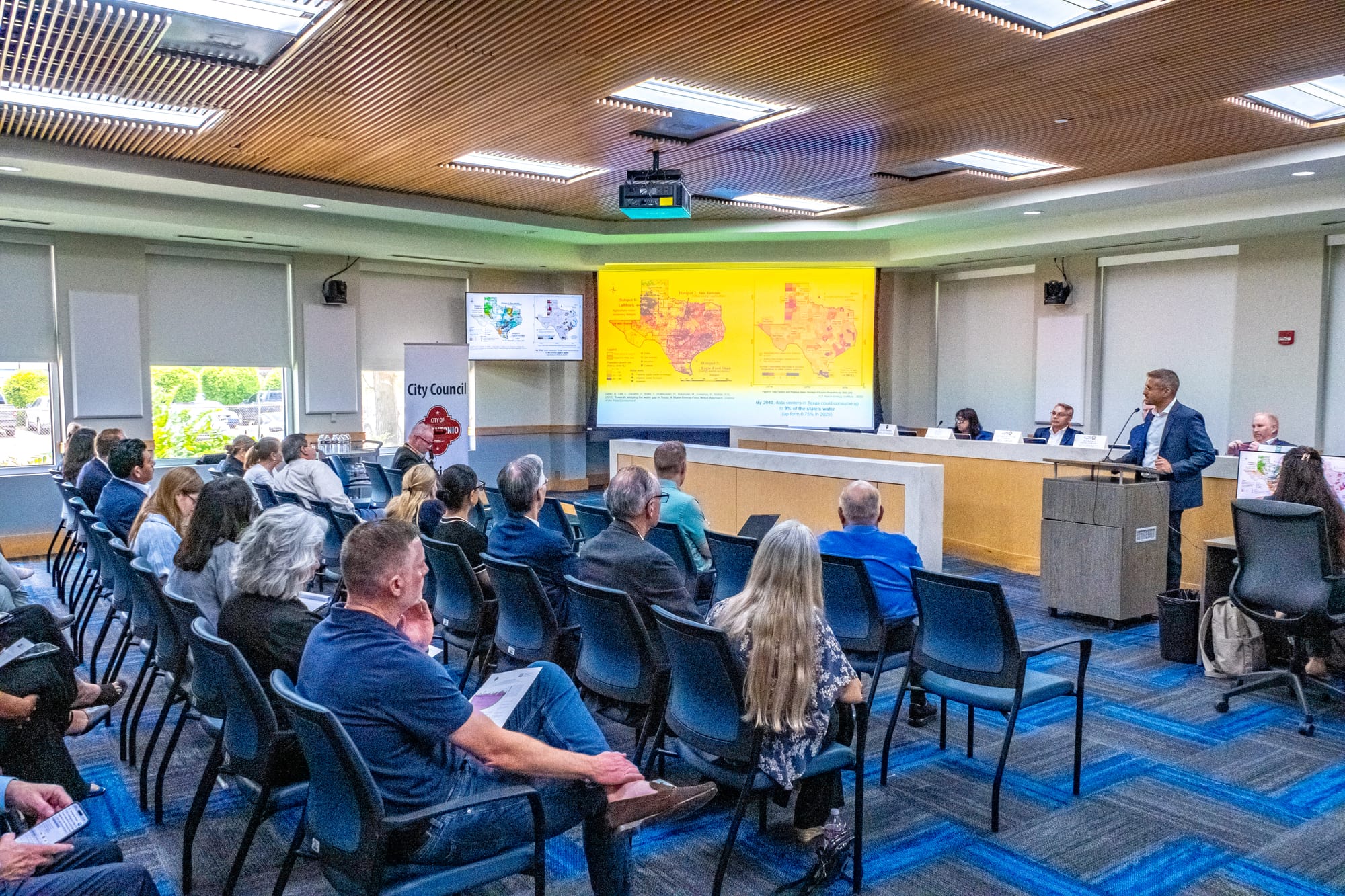
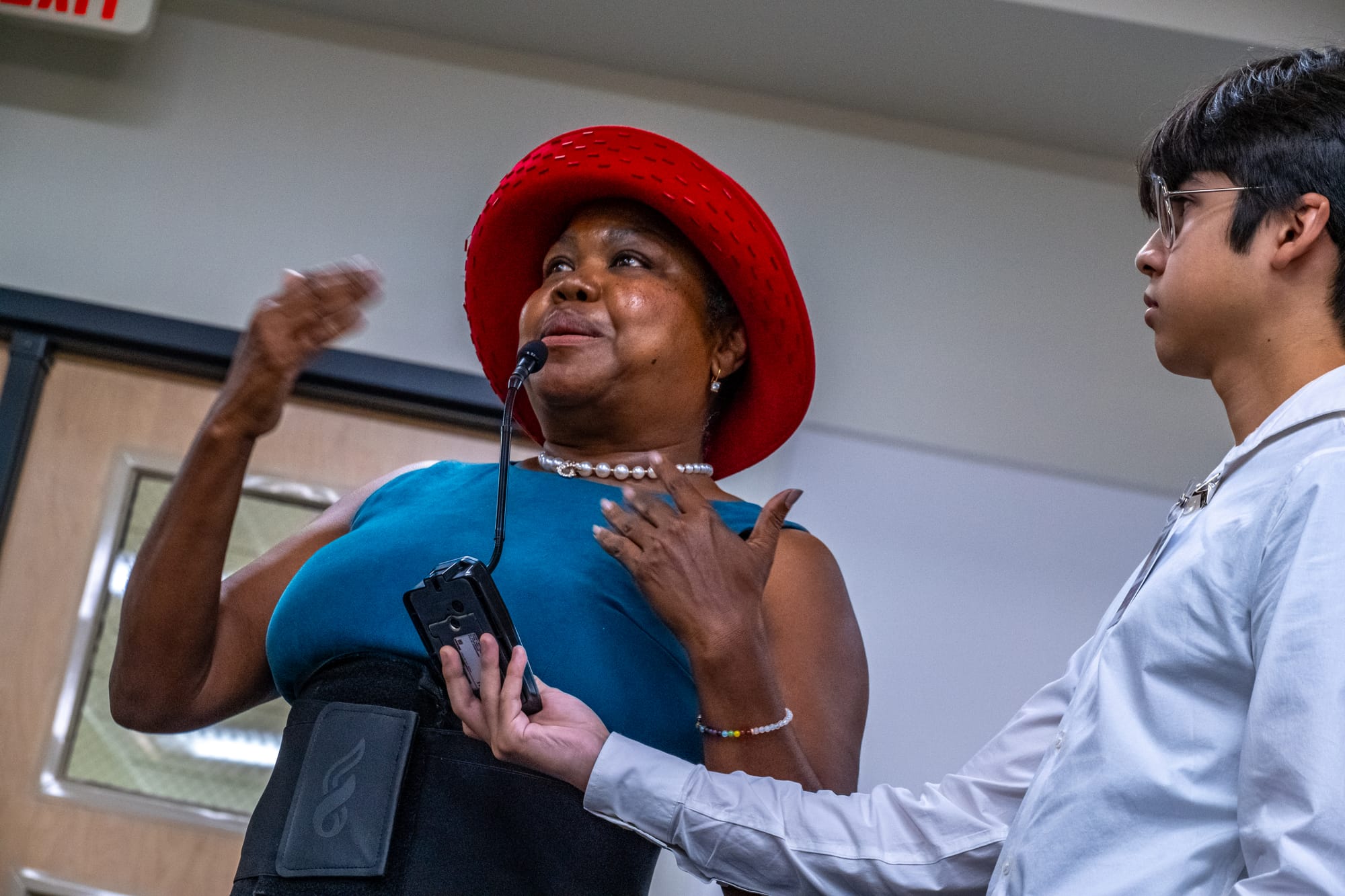
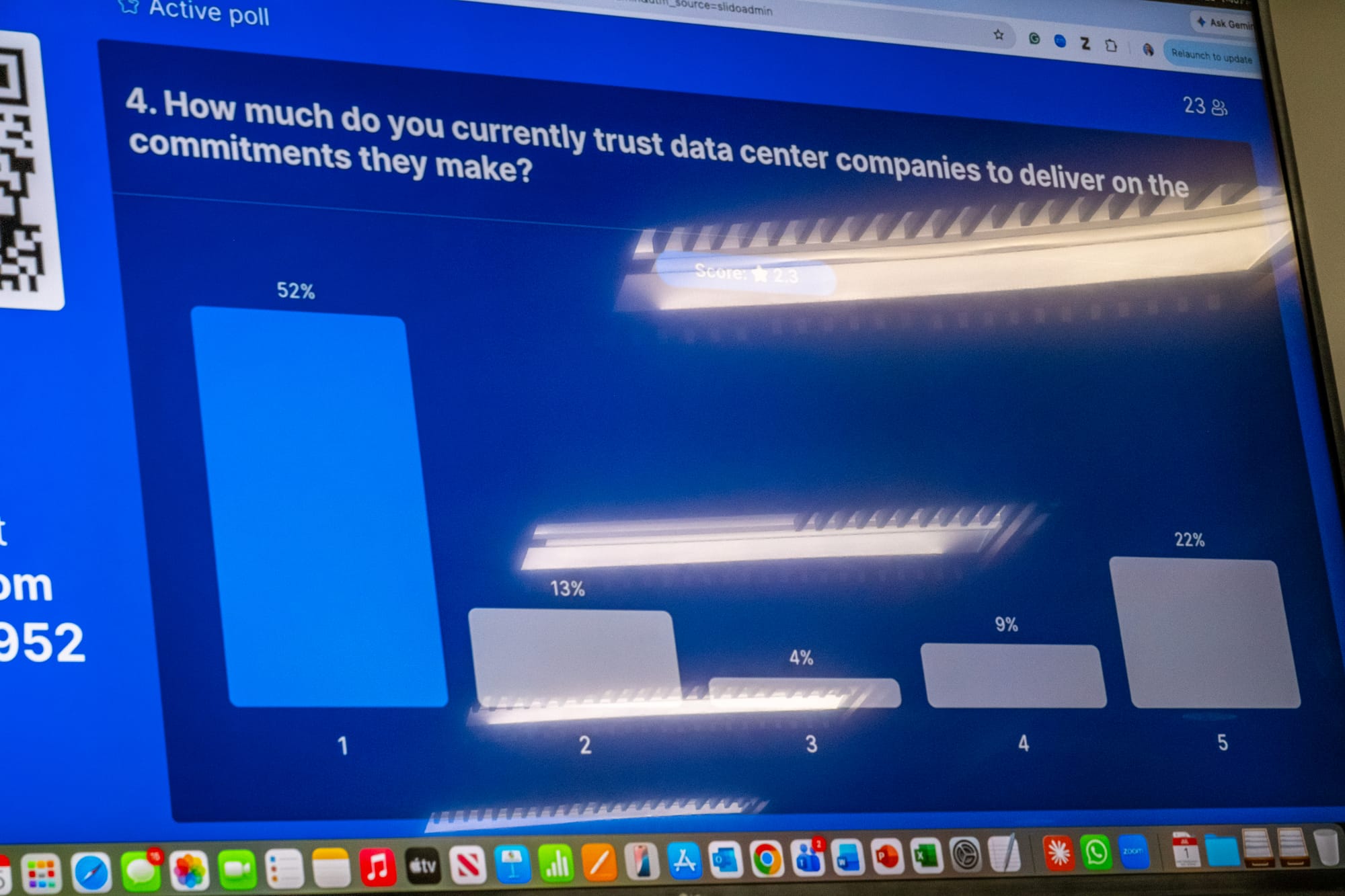
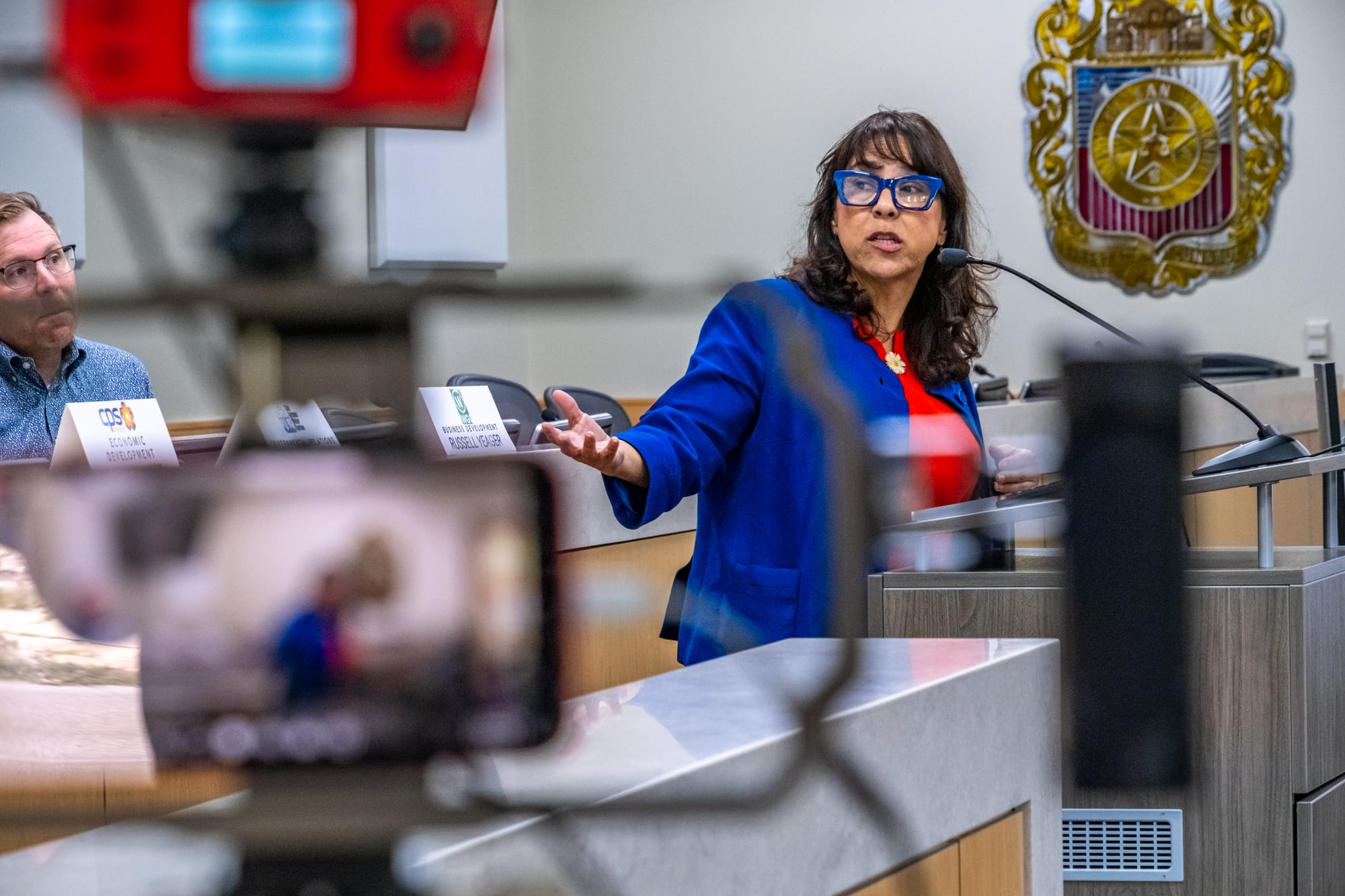
Many of the most pointed questions, about harms from infrasound (top left), how wastewater will be treated, or how we can incentivize cleaner-energy options (top right) went noted but mostly unanswered. A poll revealed that most participants (52 percent) ranked data center companies as mostly unlikely to "deliver on the commitments they make." Images: Greg Harman
San Antonio, Texas: Still Open For Business
In just a handful of years, San Antonio has emerged as a destination for large-scale AI data center developers. Roughly 50 of the multi-story warehouse blocks of whirling computer racks now dot the landscape across the city. Frequently they back up on residential neighborhoods. But there have been no calls for a pause or ban among the elected leadership here. Instead, in October 2025, Councilmember Ric Galvan (D6) got the support of several colleagues to launch “a comprehensive policy discussion on the impacts of data centers.”
The public, Galvan's CCR reads, should understand how “resource-intensive” data centers are, how they will impact our “natural resources,” and what policy tools San Antonio has to address them.
City staff are instructed to report back to council:
- The scope of the City’s authority to regulate data centers through local ordinances, permitting or zoning, especially as it pertains to water, power use, and impervious cover.
- Relevant state laws and site regulations pertaining to data centers, with examples of how other states and cities are responding.
- The water consumption and planning requirements associated with data center operations in San Antonio.
The CCR also calls for exploring amendments to the Unified Development Code that introduce "a special use authorization" to allow for more control over data center location.
Considering the pace of data center development across the city, it's been a dynamically slow review process, with meetings happening every few months. The fact of empty seats in the June 25 gathering spoke volumes about how (or if) these meetings are being promoted. A rarity: Deceleration was the only media in attendance.
We only located information about the meeting being hosted, it turned out, by District 3 Councilmember Phyllis Viagran by writing directly to the head of the city's Development Services, the department hosting the meetings, who then passed along our email to the department’s public relations team.
Below is a complete video of the meeting followed by highlights from the discussion and subsequent interviews with participants.
Full Video: Data Centers & San Antonio
Livestream of the June 25 Data Center Stakeholders meeting from Deceleration.
Who are Data Center Stakeholders?
Considering the lack of promotion of these meetings, we have to wonder: Who is a stakeholder?
Viagran defined them at the meeting this way:
“This is a multilayered, very kind of nuanced process that we have here. So it’s really important that we get the speakers in and hear from the community, and that includes all of the community: which is our stakeholders, our departments, and our utilities.”
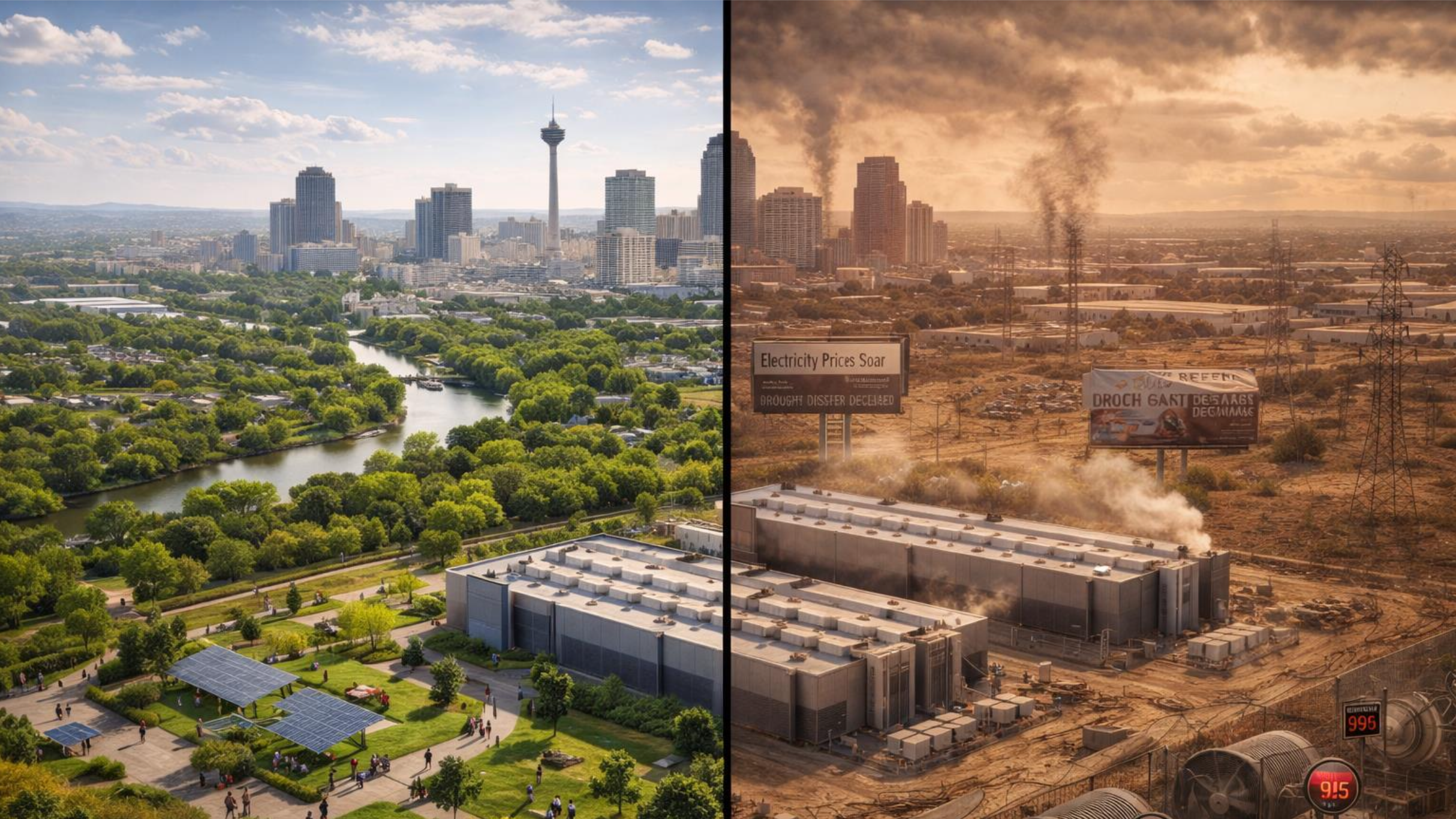
For a Better Future: Ask Better Questions about Data Centers
While positioned strangely behind a flag of the United Nations, Bassel Daher, assistant director for sustainable development at the Texas A&M Energy Institute, led off the conversation.
“As we say at Texas A&M: 'howdy,'” Daher opened. “I love the logo here but I want to confirm that I’m representing Texas A&M and not the United Nations.”
Daher described data centers as an inevitable and agnostic technology sweeping the world—an emerging powerful reality demanding thoughtful pursuit of the common welfare.

“[Data centers] are not necessarily inherently good or bad, but it’s the way we do them, where we do them," he said. "The questions we ask is what will determine the future we move into. Whether we like it or not, it is going to be on the rise.”
Daher acknowledged the massive power and water demands that have followed AI data center development in many parts of the country. But he also highlighted some of the positive offerings they bring to local communities. Things like tax revenue, "short-term" jobs, and community investment, the later of which he described as “possible…when property negotiated.”
Negatives flow, in his opinion, from “not knowing enough and not having enough transparency…especially related to water and energy use."
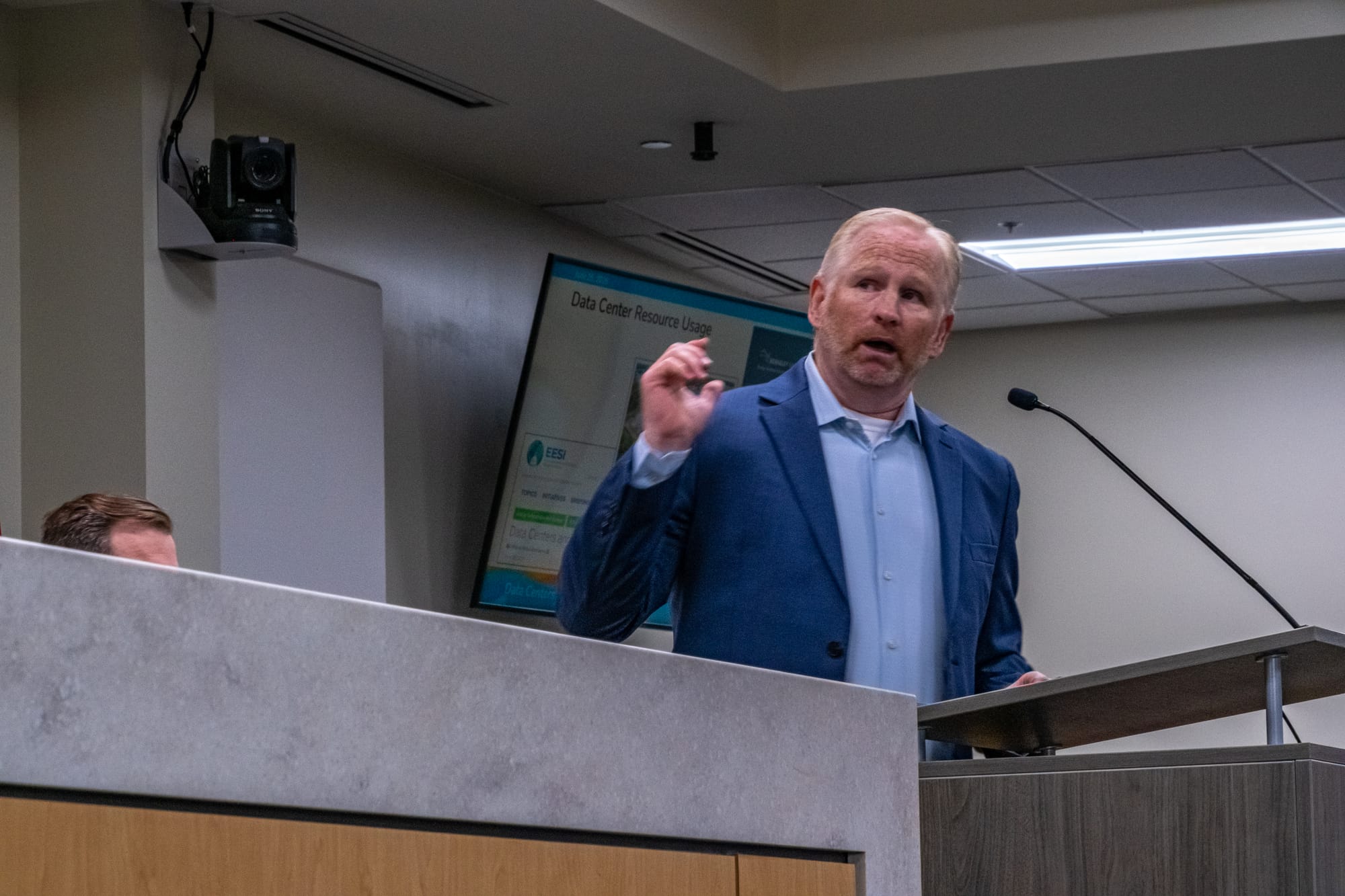
Meeting Data Center Water Demands with Recycled Water
Donovan Burton, vice president of water resources and governmental relations at San Antonio Water System, expressed optimism about area data center development, saying that data center demands are “entirely manageable” from the water side.
He agreed with Daher that data centers are all unique: some present little risk, while some bring overwhelming demands. Staff at SAWS are currently developing policy ideas to present to their board, he said, but generally see demands as manageable, with data centers currently making up about 1 percent of existing SAWS water demand. That will grow, of course. And SAWS staff there are steering companies toward their vast network of recycled water. SAWS operates one of the largest networks of recycled water in the United States—more than 130 miles of purple pipes very nearly looping the city that roughly trace out the arc of Loop 410.
“All of them [the data centers] are generally locating close enough to the recycling water system that we think that’s where they will be linked up to,” Burton said.
Currently, SAWS provides 50,000 acre feet (af) of water to CPS Energy for use in cooling in power plants. Another 50,000 af goes into the Guadalupe River for the ecological wellbeing of that river and the coastal bays and estuaries it feeds. About 30,000 af is left for other users, with about 2/3 of that already committed. That leaves about 10,000 af available. SAWS could potentially squeak out another 27,500 acre feet but that would require more pipes, Burton said. And it should also trigger a community conversation about the best use of that water.
“We have to make sure that the bays and estuaries downstream have water, he said. “If we were to shut that off the bays and estuaries would dry up.”
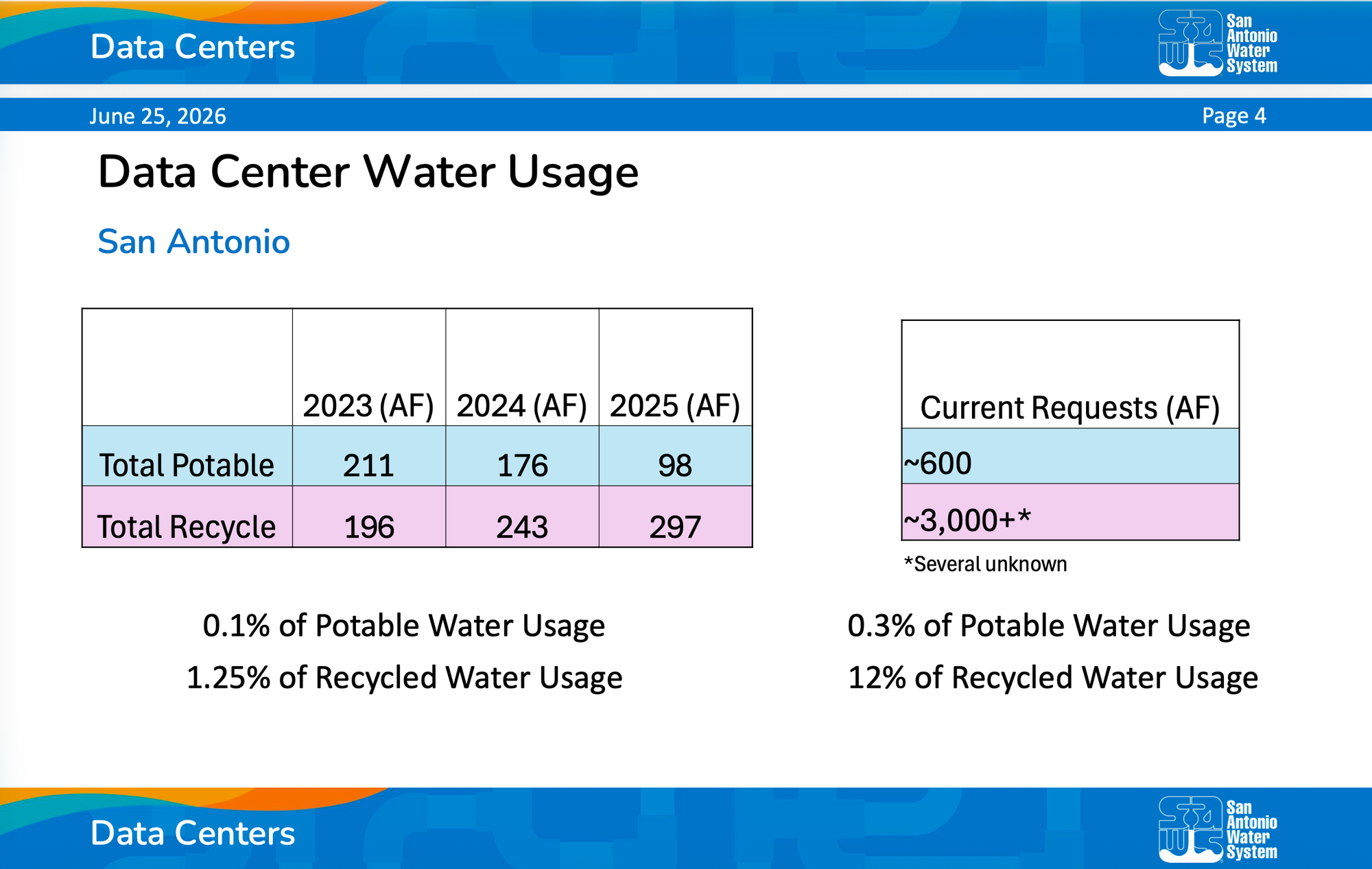
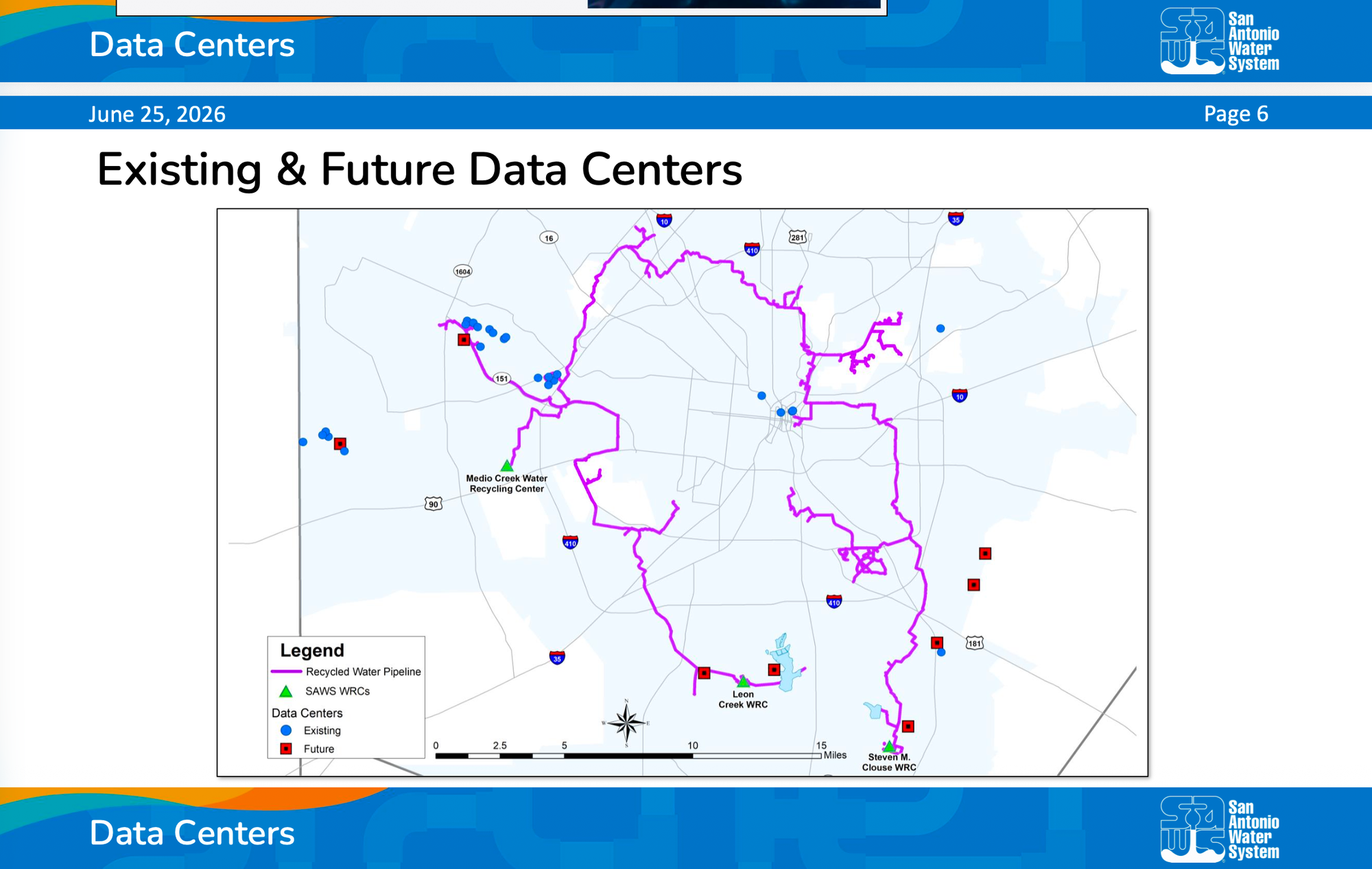
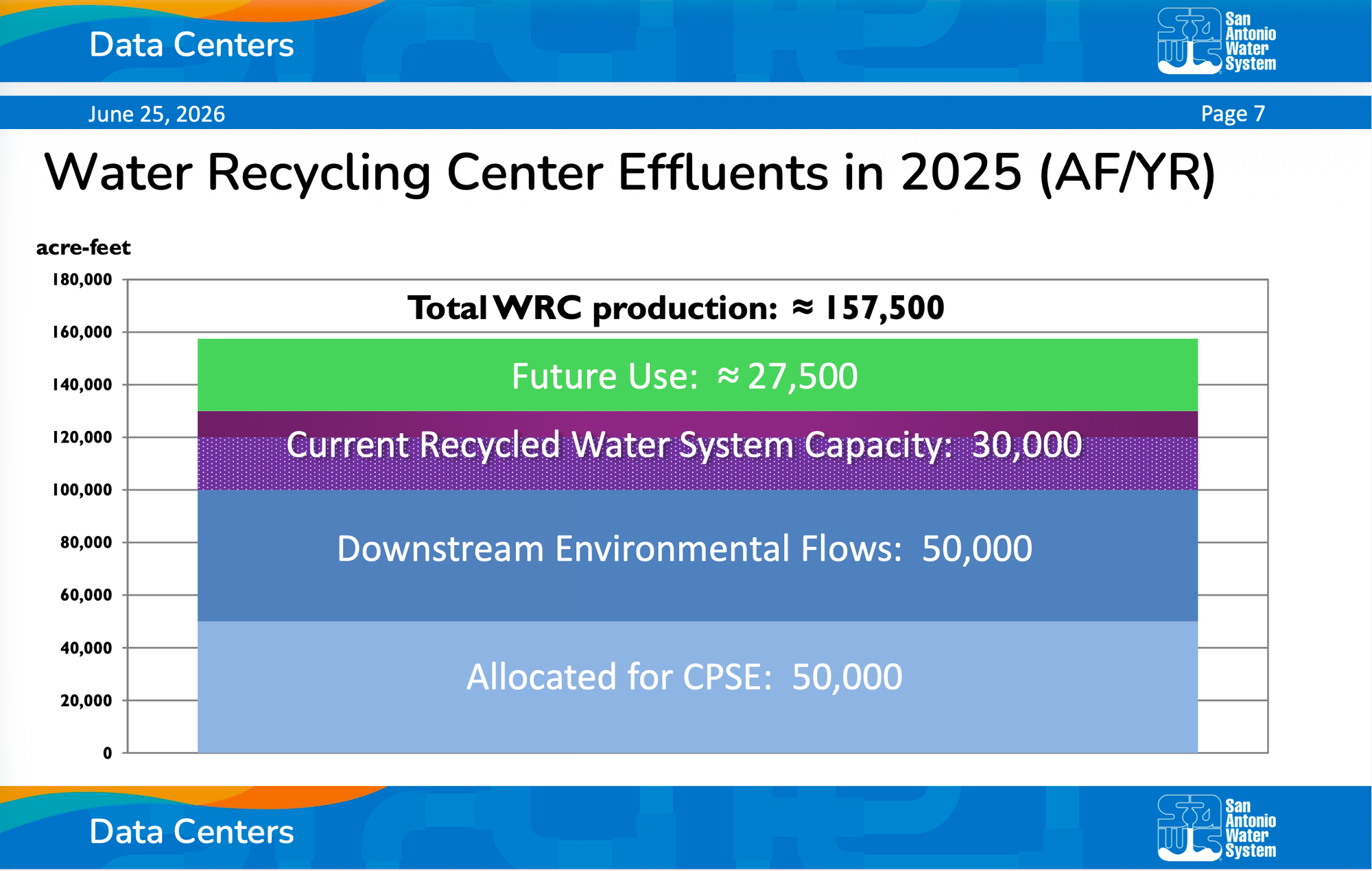
Recycled water demand, infrastructure, and availability. From Burton's presentation.
The big concern is about projects that use evaporative cooling rather than closed loop systems, he said.
“For SAWS it’s really about the evaporative cooling piece,” Burton said. “How can we minimize that while at the same time same time maximizing the use of recycled water.”
“As long as those [data centers] are water efficient and, I’ll say it, not evaporative cooling, it makes the process a whole lot easier.”
‘Shocking…Astronomical’ Power Demands Challenging CPS Energy
The incredible load growth coming with data centers is a big part of what inspired the CPS Energy Board of Trustees to jump the shark on the City of San Antonio’s climate action plan recently. The retooled generation plan positions the utility to invest more heavily in gas in the near-term and throttle back resources like wind (which the Trump administration has all but declared war on, freezing dozens of project in Texas lone) and battery storage. The new generation plan is still expected to meet climate-emission reduction targets by 2030 but swing wide of the 2040 goal of an 80 percent reduction.
A particularly frank assessment came from Nick Bennett, CPS Energy’s manager of economic development, who described the overwhelming nature of the power demands lining up at the utility.
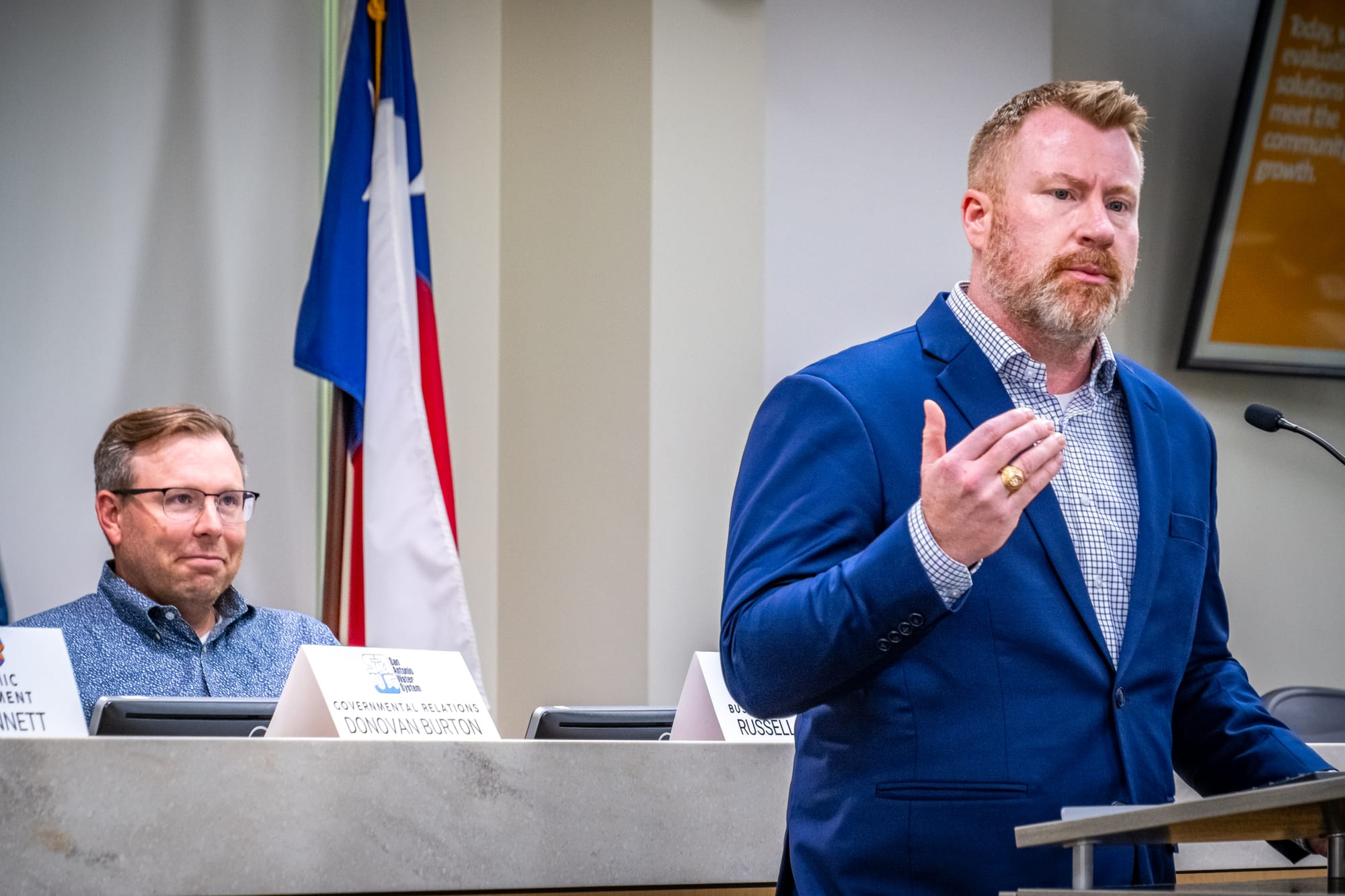
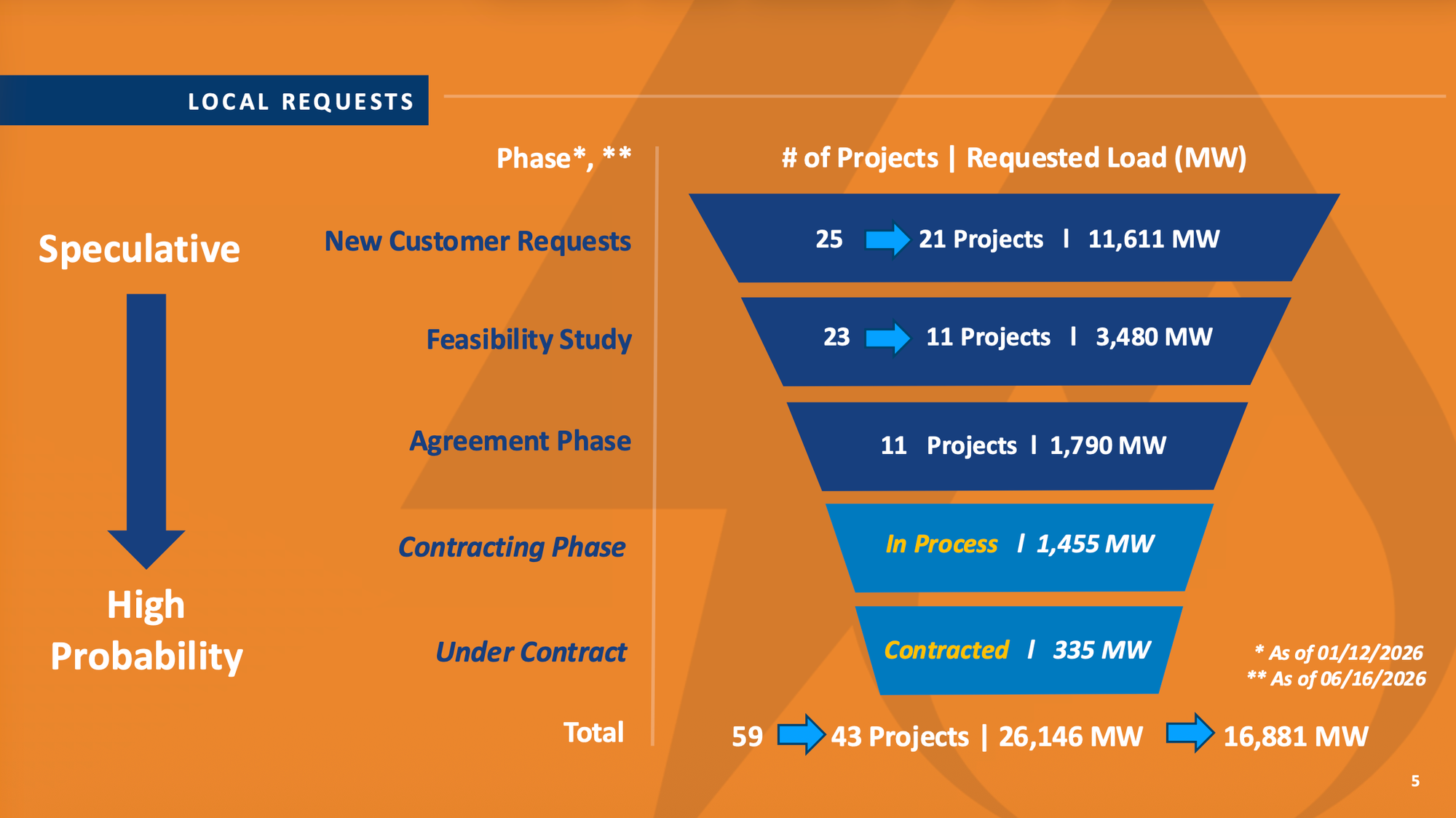
“It’s kind of funny. We’ve been kind of living and breathing this for the last three-plus years, and every time I see that funnel slide it’s still shocking how many megawatts that translates to, right?” Bennett said.
"Seeing upwards of 26,000-plus megawatts of requests, it’s astronomical.”
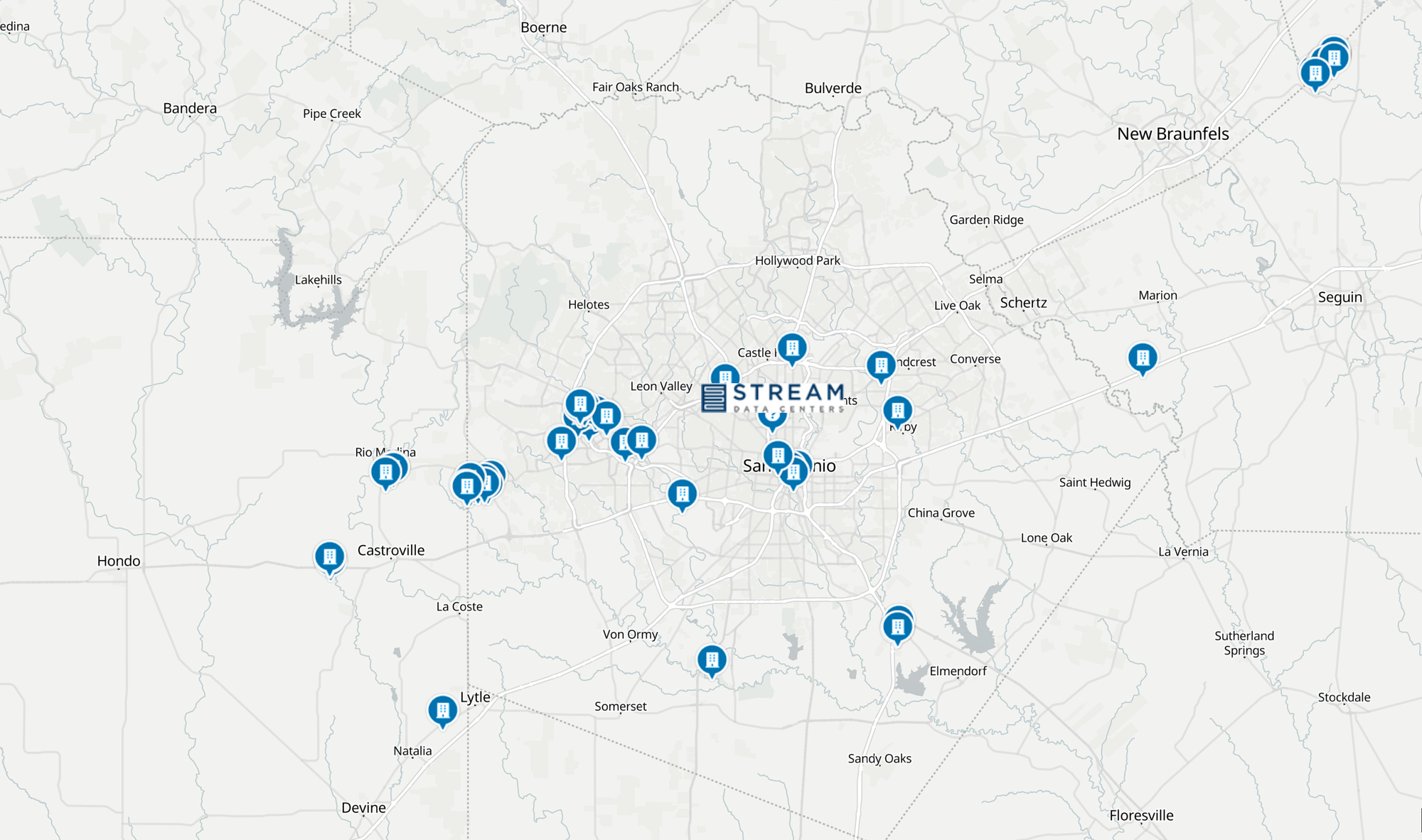
CPS Energy currently serves the needs of its nearly 850,000 electric customers with about 6 gigawatts of generation from a diverse range of sources, including gas, coal, nuclear, wind, and solar. But over the last three years more than 27GW of large-load customers—primarily data centers—have entered the equation.
Ben Jordan, senior director of integrated system planning at CPS, said the utility is working to develop processes that pass along more of the costs of planning to those large-load applicants, while working these last two years to determine how much of the power demands are rooted in reality.
“What we saw a year or two ago was really a mad rush to make a significant amount of energy requests," Jordan said. "And now we’ve put a lot of processes in place to say, ‘okay. Let’s work on getting down to the real customers."
The current number? 17 GW. That’s still nearly three times the amount of all of CPS Energy’s current generation fleet.
“Even having that 16,000 to 17,000 (MW) number—it’s still massive, right?” Bennett confessed.
For companies that don’t want to wait for CPS to build a new power plant, state law allows them to bring their own power plant. Which is exactly what is happening at two Vantage Data Centers locations on the far West Side. Ultimately, these power sources will be replaced by CPS resources, but the companies are working to act fast. “Kind of control the short term of their destiny,” as Bennett said.
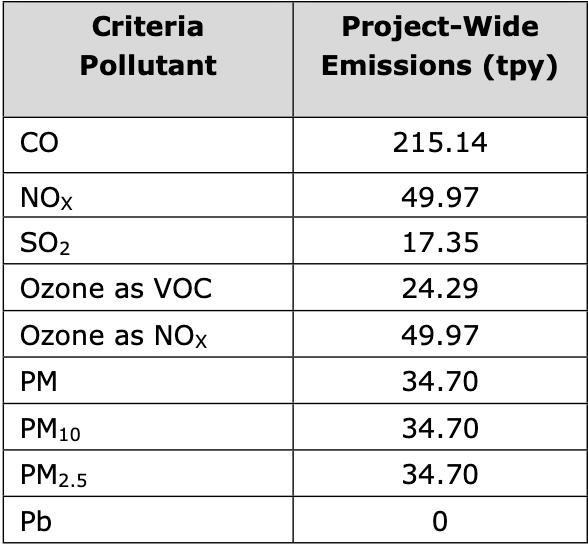
That brings more localized sources of emissions certain to degrade air quality near and far. The gas-fired plant being constructed for Vantage's data center in the Texas Research Park, for instance, is expected to release per year: 50 tons of nitrogen oxides, 17.5 tons of sulfur dioxide, 35 tons of particulate matter (PM), and (particularly damaging to human health) 35 tons of microscopic PM2.5.
Growing Interest Stoked in South San Antonio
Four data centers highlighted (though not named) by the final speaker are said to be seeking a combined 2GW of power from CPS Energy. And although the Southside hasn't seen much attention from data centers so far, all four hope to locate near Toyota Manufacturing facility in D3 .
Russell Yeager, VP of civil engineering at WGI and a former South San Antonio Chamber of Commerce chair, said he represents two of the four companies. They have been drawn south by a combination of factors, including access to higher voltage electricity infrastructure, recycled water pipes, zoning regulations that provide a buffer from most residential communities, and the 3,100-acre Verano Tax Increment Reinvestment Zone (or TIRZ), which redirects tax dollars back into localized improvements.
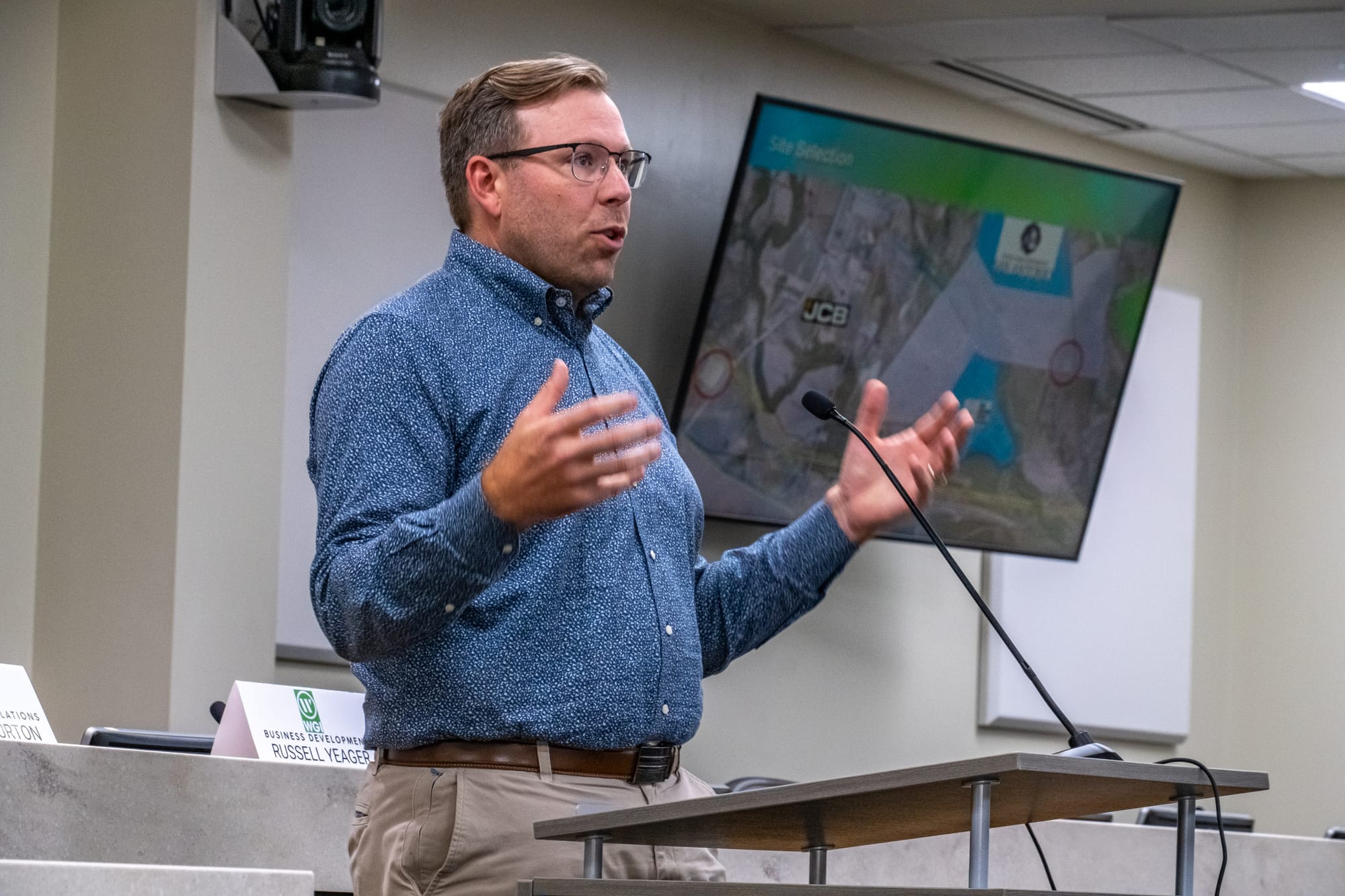
“Having done projects across Texas and around the country for data centers,” Yeager said, “this type of cluster is something that we look for.”
It was a concluding Stakeholder message with a definite signal: If residents don’t love you elsewhere, D3 may be your safe harbor. Yeager said his clients were eager to demonstrate data centers can be a net-positive—“not just for themselves but for the community.”
“Those don’t always make the news, but I think there’s a lot of partners like that,” Yeager told the audience.
Yeager confirmed for Deceleration after the meeting in a phone interview that both of his clients intend to use closed-loop systems and tap into SAWS’s reclaimed water network.
But they provided three possible scenarios for SAWS and CPS to consider:
“What if we did an air-cooled system, almost no water, [but requiring] more power? Then: what if we did a closed-loop, [requiring] a little less power, a little more water, but still a totally reasonable amount of water. And then, ‘Here’s an evaporative water system with remarkable water demands but very efficient power systems.’ We provided that data.”
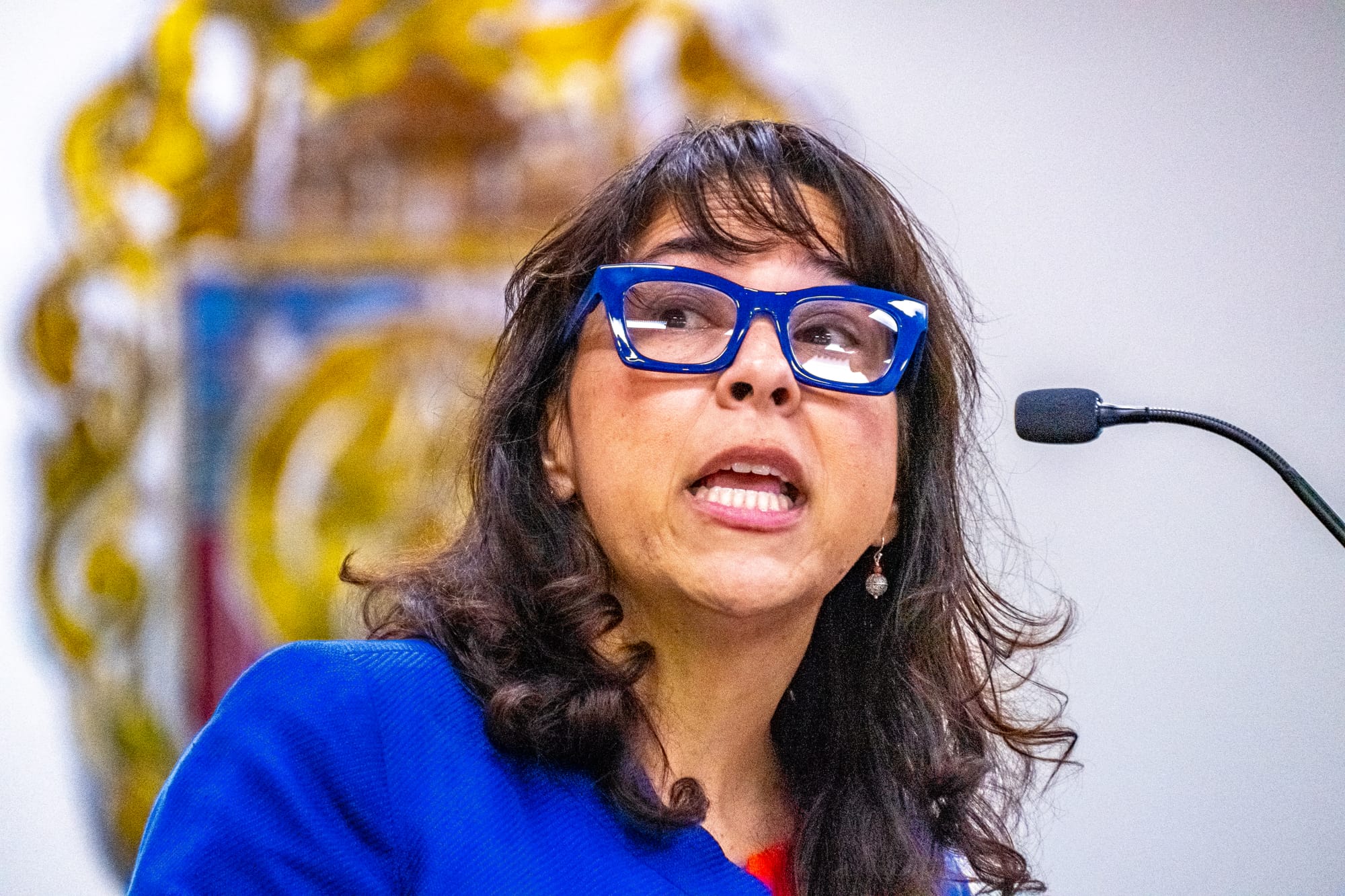
Will Big Data Move South?
To date, the largest clusters of large-scale data centers have stuck largely to the north side and fanned out west, clustering in D6, where they met a skeptic in Councilmember Galvan. The young council member opened a recent Texas Data Center Rebellion convening that drew activists from across the state saying: “We cannot continue to allow this industry to continue to grow without any kind of adjustment, without any kind of conversation."
But Yeager and Councilmember Viagran used the stakeholder gathering to present D3 as an alternative destination. While Viagran did not make herself available for an interview, her staff provided Deceleration the following quote on her behalf:
“Advocating for a sustainable and resilient Southside remains a priority for our office. The purpose behind bringing together stakeholders, community members, and city staff was to create space for an open and collaborative conversation around the long-term impacts and opportunities associated with data center development, particularly as it relates to water usage and sustainability concerns.
“As growth continues across District 3, it is important for us to better understand industry standards and learn about the best practices companies can implement to ensure they are contributing positively to the community. Our focus is on fostering responsible development by encouraging transparency, sustainability, and solutions that support both economic growth and the long-term well-being of our residents.”
Yeager said that while he didn’t want to speak for Viagran, he said he believes she is motivated to explore data centers as a possible way of making up for historic disinvestment in Southside communities in a city where money has most heavily always flowed north.
“That’s why, in my opinion, why she’s being proactive is trying to find solutions, asking how could we do this the right way,” Yeager said.
He added that the utilities have been unprepared to respond to potential large-scale data center clients, but are working now on catching up.
At both CPS and SAW, Yeager said, his clients found “a group of people that didn’t know how to answer the questions that they needed answered.”
Even if their applications haven't moved as quickly as they'd like, they still want to do things the right way. On the south side.
“The city has definitely seen other developers say, ‘Hey, if you want our money you’ll do what we say,’" Yeager said. "And I think these folks just took a different approach hoping to have a better long term relationship with the city.”
It’s still unclear how these facilities will wrangle 2GW of power from CPS, which currently serves its entire service territory with 6GW. Most likely, like Vantage on the far west side of the city, they'll build their own power plants, almost certainly further eroding the region’s air quality.
But Yeager said his clients will “cross that bridge when they get there.” They haven’t yet received a response to their request for power from CPS and ERCOT.
“If [CPS] comes back with a reduced evaluation of power,” Yeager said, “they’ll evaluate if they want to find a way to generate their own power or reduce the footprint of their project.”
A Community Conversation?
Deceleration wrote Councilmember Galvan's office in hopes of better understanding the timeline of those various CCR requests. How soon could the city take action to better regulate where data centers set up? We got no response before our press deadline.
But, seriously, how is it that a meeting on a topic of great concern for so many should have so many empty seats?
How do we reach a better community-scale dialogue?
“That’s a good question,” said Yeager. “I think right or wrong, a lot of these developers rely on the City of San Antonio process to document things to neighbors and the community.
"I think in this world we’re used to where the notifications come to us instead of us having to seek them out. The city process is you have to go seek out what’s available.”
-30-
A date for the next Data Center Stakeholders meeting has not been set, according staff at the office of Development Services. But we'll share that information as soon as we get it.
This article is licensed under Creative Commons (CC BY-NC-ND 4.0), and you are free to share and republish under the terms of the license.


