Welcome to Deceleration In Depth, where we are growing solutions for an overheating world. We highlight the latest global, national, and regional developments in climate and environmental justice to better inform local action. Deceleration is rooted in San Antonio and the South Texas bioregion but our concerns and enthusiasm are broad. Pitch us your story idea at editor@deceleration.news.
- Click any story below to log in to our new website
- Become a paying supporter today—with benefits!
- Review Deceleration on Apple Podcasts or Facebook or ... wherever.
- Forward this email to friends; grow the work.
- Subscription info at the bottom of every email.
What do you want us to cover next? Members may leave a comment below.
Reporting
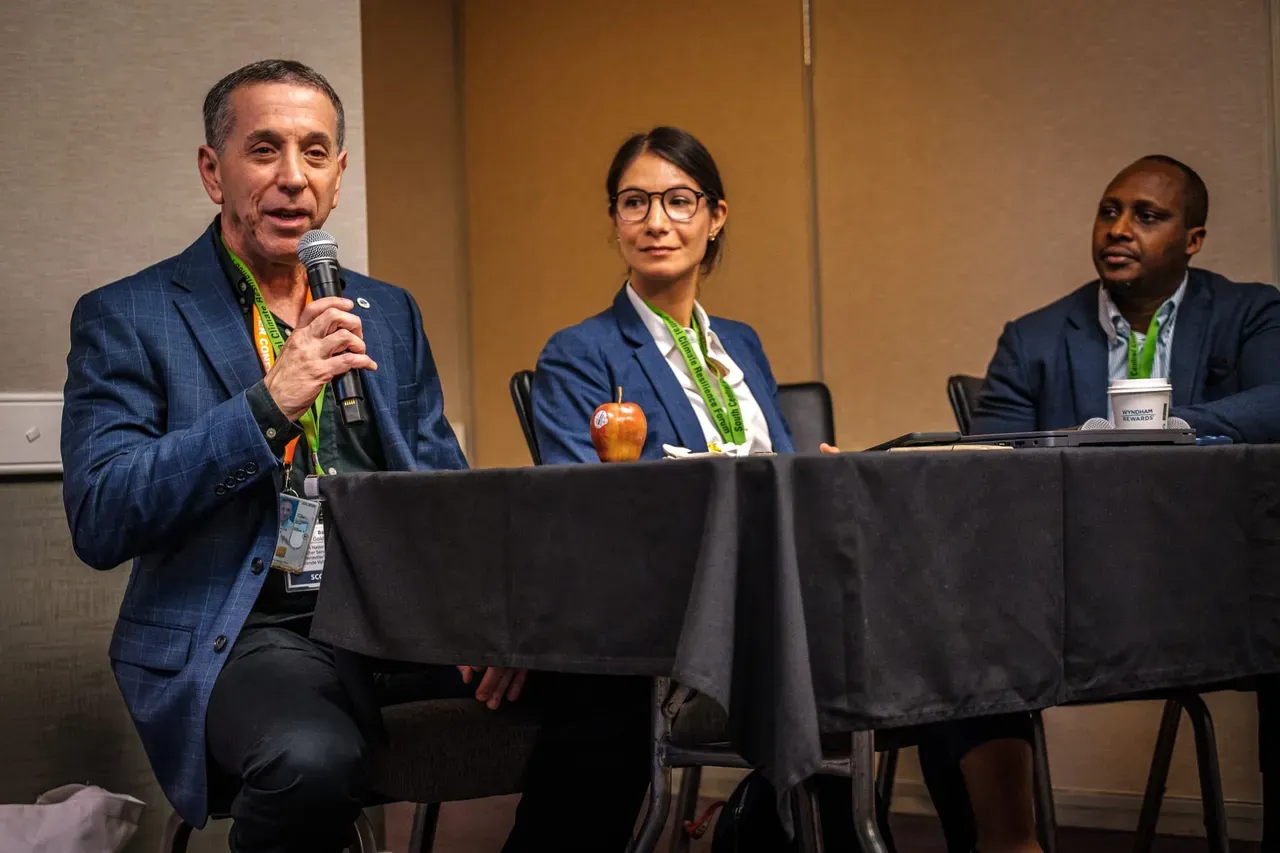
Get Ready for a 'Long Hell' of a Summer, National Weather Service Official Warns
Rio Grande Valley residents are at particular risk from extreme heat, according to a study presented last week by an emerging partnership between state and federal weather and health officials.
Greg Harman | Deceleration
The last several years have been brutal, advancing a trend seen the world over: rising heat, stronger storms, and punishing extended drought. And while water worries have understandably captured headlines of late, life-threatening extreme heat will soon be bearing down again across Texas. If recent trends are any guide, some of the hottest temperatures will likely be felt by residents of the Rio Grande Valley, where substandard housing and high poverty put lives at particular risk.
That was the message of a federal "warning coordination" meteorologist with the U.S. National Weather Service and two Texas health officials who have embarked on a new partnership to better understand the health impacts of extreme heat and better prepare communities to face it.
"Any people here from other parts of the country know that we have four seasons," said Barry Goldsmith, a Brownsville-based meteorologist with the National Weather Service.
"We don't have that [in the Rio Grande Valley]. Well, we do have four seasons. They are: Warm, Hot, Hotter, and Hell."
And yet it wasn't always so.
Podcast
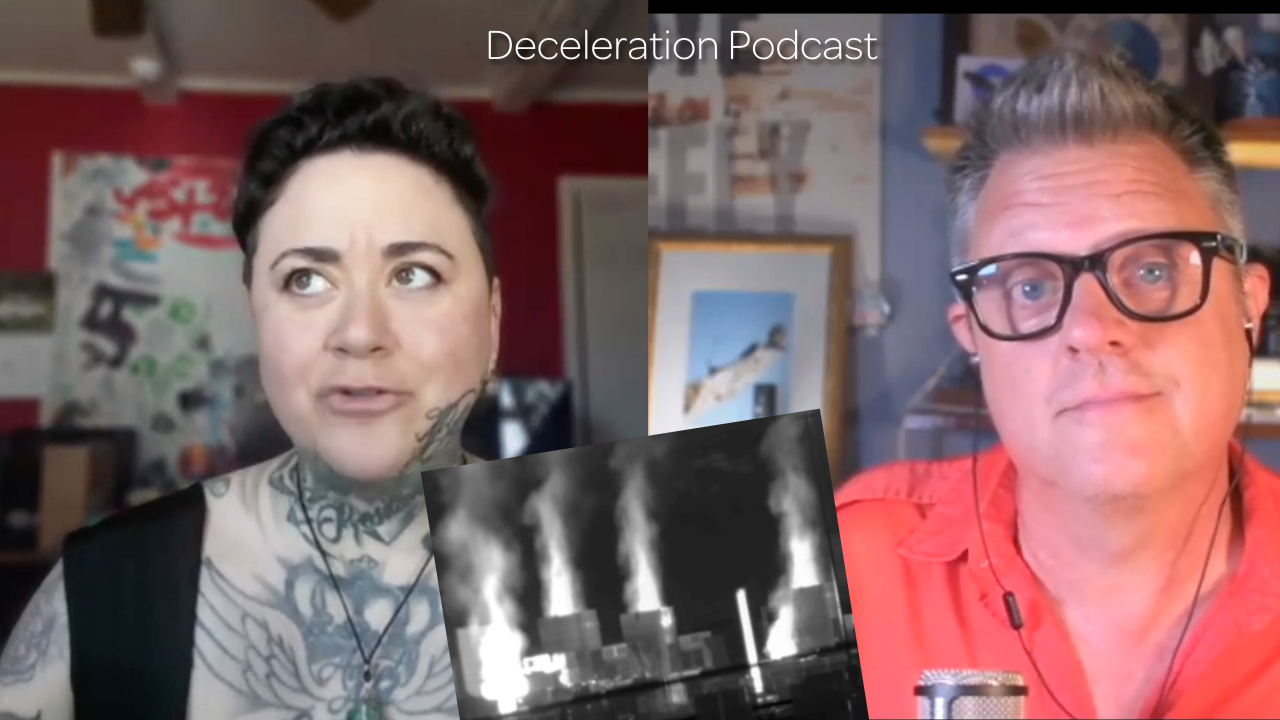
Project Matador: Fermi's 'Hyperscale' Data Center Complex Hitting Resistance in the Texas Panhandle
Deceleration speaks with Kendra Seawright of Women's March about data center organizing strategies in rural Texas.
Greg Harman | Deceleration
“Project Matador” outside of Amarillo, Texas, pairs Fermi America and the Texas Tech University System seeking a pod of “hyperscale” data centers over 6,000 acres across a privately owned and operated electric grid. Already permitted for 6GW of power with 93 planned gas-fired turbines and seeking to build multiple nuclear power plants, this is a truly climate-breakdown accelerating power footprint that brings severe water concerns atop one of the planet’s most imperiled major aquifers that is relied upon by tens of thousands of farmers and ranchers (you know, the folks who produce our food and clothes, at least for those of us not wearing plastic).
Deceleration’s guest this week is Kendra Seawright of Women’s March. She is doing the work of organizing the resistance on the ground that is pushing back on the many assumptions and assertions of what this project is good for—if anything. As more MAGA supporters start to split with President Trump on crypto and AI data centers, this means new challenges to foster a diverse hub of voices. We wanted to hear more about what that looks like and what lessons there may be for others in the trenches.
“We didn’t expect a rubber stamp,” Seawright told us about the permit already in Fermi’s pocket. “We want real honest communication about what this is going to mean for our health and future generations too.”
Alternative Futures
'Slow Down or Die'—An Economist's Warning
In a new book, Timothée Parrique dispels the myth of growth and shows how shrinking the economy to a sustainable steady state could make us all richer in the things that truly matter.
Syris Valentine | Deceleration
“The cracks are showing,” a friend told me over the phone back in 2020 a few weeks into the first phase of the pandemic lockdown. As global shipping struggled to fulfill the needs of a “just-in-time” economy where businesses rarely kept more backroom inventory than needed for a few days of projected demand, the fragility of our global system of commerce was revealed for all to see.
When a container ship ran aground in the Suez Canal a year later, the same cracks were once again evident. Today, as Iran’s chokehold on the Strait of Hormuz begins to drive fuel and grocery prices towards untenable heights, we’re seeing once again how the global economy is set up for speed and efficiency but not resilience. When a crucial point of failure is triggered, poor people pay the price.
So much of this fragility comes as a result of our misplaced faith in, and our ill-fated addiction to, growth.
In today’s newsletter, I look at a book that breaks down this growth imperative and its consequences as well as an alternative that could promise to make the economy more resilient, sustainable, and equitable.
Reporting
‘Unify to Dilley’ Inspires Hundreds to Converge Outside CoreCivic's Family Concentration Camp
Greg Harman | Deceleration
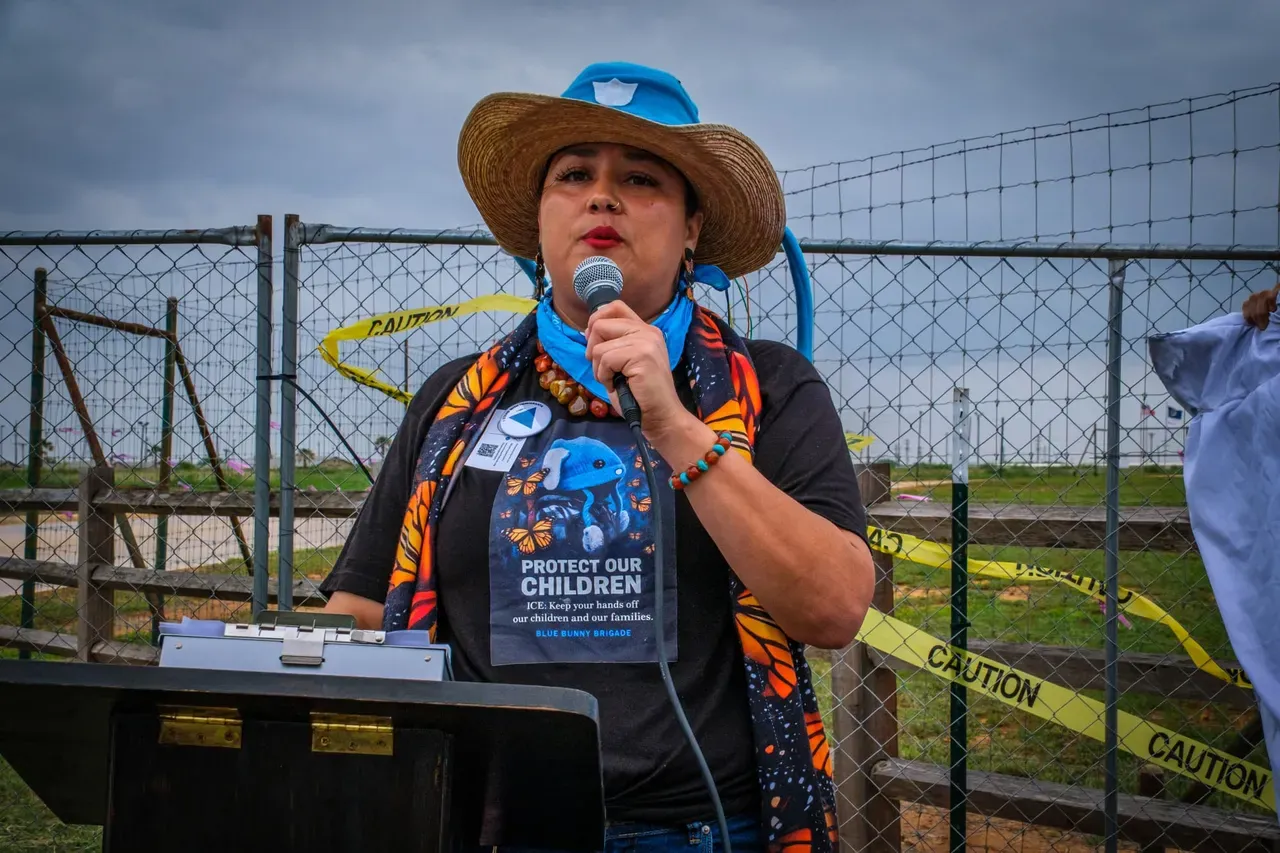
DILLEY, Texas—‘Unify to Dilley’ attendees gathered on the side of the road just outside of this small South Texas community on April 18, 2026, with three key demands: shut down the concentration camp; end family detention entirely; and release everyone inside by Mother’s Day.
The rural complex operated by CoreCivic (motto: "Better the Public Good") has been in and out of spotlight for years due to allegations of human rights abuses. It is a key and controversial node in a growing federal deportation-industrial complex under President Donald Trump.
This weekend's call came from the Blue Bunny Brigade in the Rio Grande Valley weeks after the high-profile fight for the release of 5-year-old Liam Conejo Ramos and his father. It was Liam’s blue bunny hat that inspired the group’s name and come to illustrate so many protest signs and banners.
“We cannot remain silent anymore,” Chriselda Vera told Deceleration outside the camp. “This is horrible what's happening to children, children and innocent people. They have no business being detained.”