Marisol Cortez is Deceleration’s Executive Editor. As a writer and community-based scholar, her work is grounded in Chicanx and decolonial movements for justice and earth protection in South Texas. Beginning her political life as a poet, she later participated in grassroots campaigns for environmental justice in San Antonio, which inspired her doctoral research at the University of California at Davis. After graduating with her Ph.D. in Cultural Studies, she has walked between academic, activist, and artistic worlds in an effort to make the labor of thinking and writing useful to on-the-ground struggles in her home community of San Antonio, Tejas. As a community-based scholar, she has used research to support grassroots struggles around development and displacement, and as a creative writer she is author of the award-winning cli-fi novel Luz at Midnight (FlowerSong Press 2020) and I Call on the Earth, a chapbook of documentary poetry about the displacement of Mission Trails Mobile Home Community.
It’s dewberry season in Texas. Some practical advice and poetic reflections on red wasps, slippery slopes, and the exuberance of foraging in a time of peril and suffering.
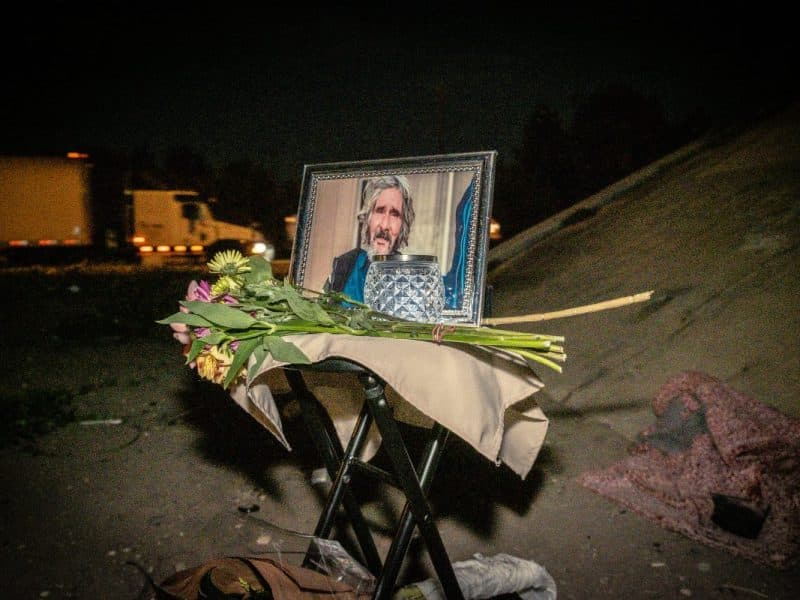
Albert Garcia died beneath a highway offramp after living unsheltered for nearly a month during San Antonio’s hottest summer on record. A decision not to include heat as a contributing factor has sparked debate.
‘Word for Birds’: Ahead of yet another public hearing on a proposed mass tree removal, a group of San Antonio poets stand in solidarity with the tree and bird protectors of Brackenridge Park.
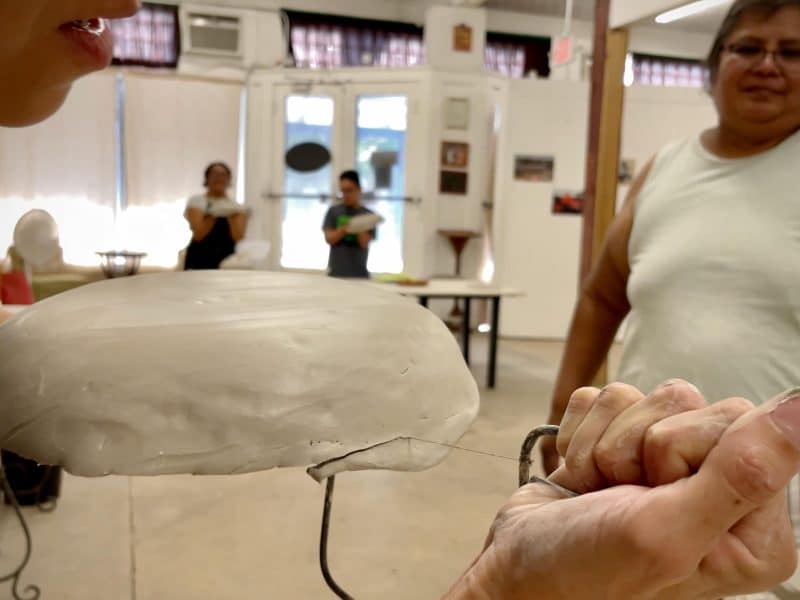
Against the might of an economy organized around disposability and extraction, ceramics artist Veronica Castillo and Society of Native Nations team up to reacquaint local families with ancient and intimate relations to clay, body, and earth.
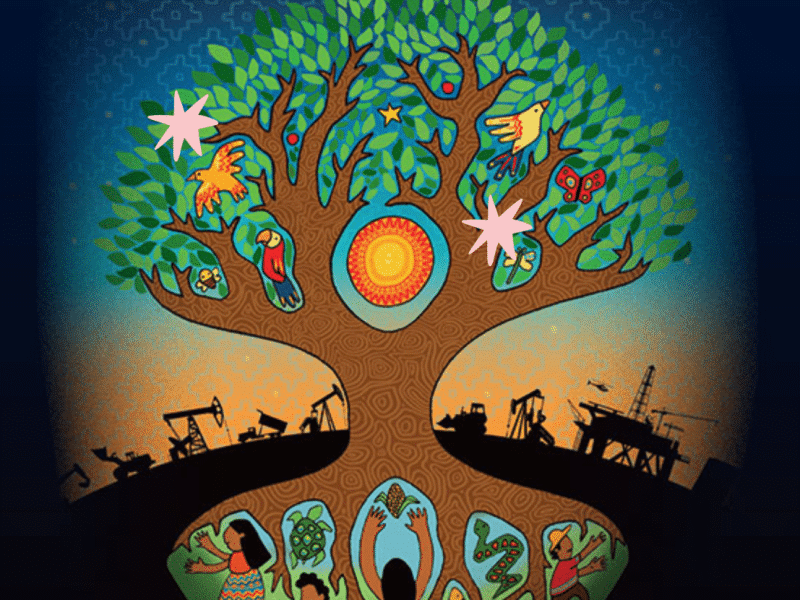
On November 17 at 9am CST, join Deceleration and Environmental Humanities at UTSA in a co-sponsored virtual keynote panel on environmental justice and de/coloniality. What’s that, you ask?