Since Donald Trump’s re-election last year, the U.S. Environmental Protection Agency has become an agency running in reverse. Whether through mass layoffs, targeted office closures, including environmental justice programs, or the rejection or rollback of regulation of key pollutants, the EPA is an agency being all but wound down, critics charge.
In July, the EPA said it was cutting nearly a billion dollars in funding from its own operations, claiming a few months later that states will fill expected regulatory gaps.
Yet many states—mostly those led by Republicans—were already dramatically defunding their own environmental enforcement operations, a new report from the Environmental Integrity Project (EIP) finds.
Since 2010, lawmakers in Texas have reduced the budget for the Texas Commission on Environmental Quality (TCEQ) by 33 percent after adjusting for inflation, according to the EIP report released on Wednesday. TCEQ also now has to contend with 401 more facilities that need pollution regulation despite no increases to staff in over ten years.
“The funding cuts to TCEQ described in this report render the agency largely ineffective, and cuts to the EPA will worsen that ineffectiveness,” Kathryn Guerra, Public Citizen’s TCEQ campaign director and a former EPA and TCEQ employee, said in a press conference on Wednesday.
Mississippi has cut its own environmental regulatory agency by nearly 80 percent during that same time period.
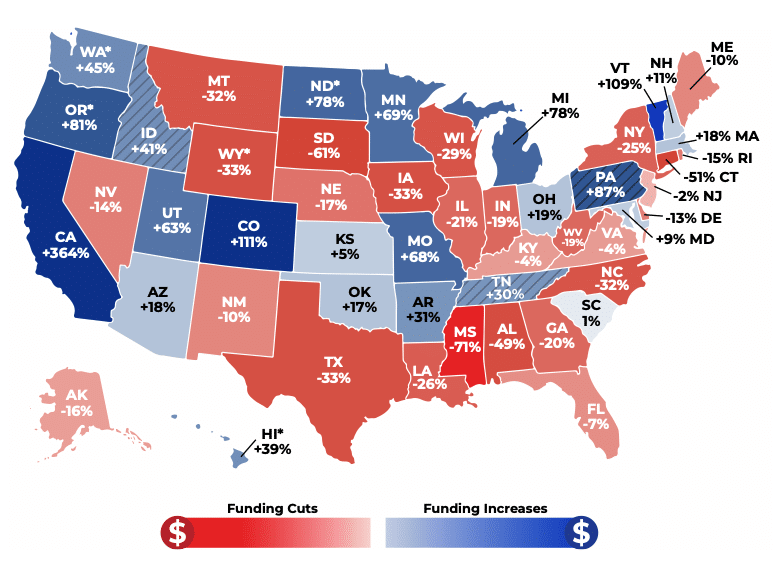
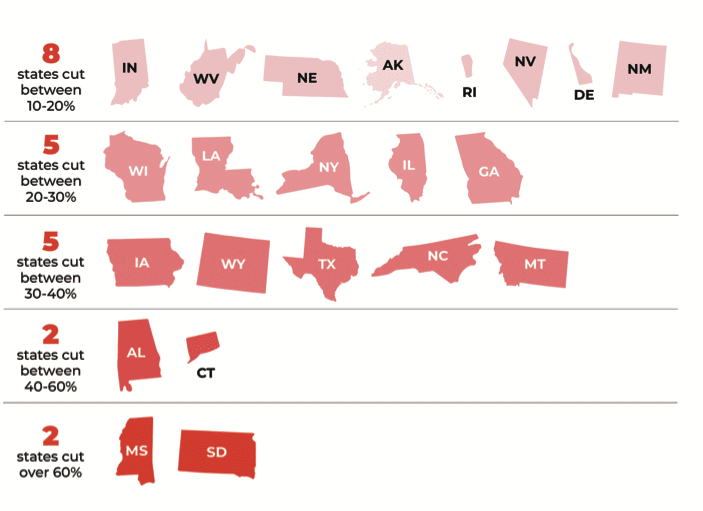
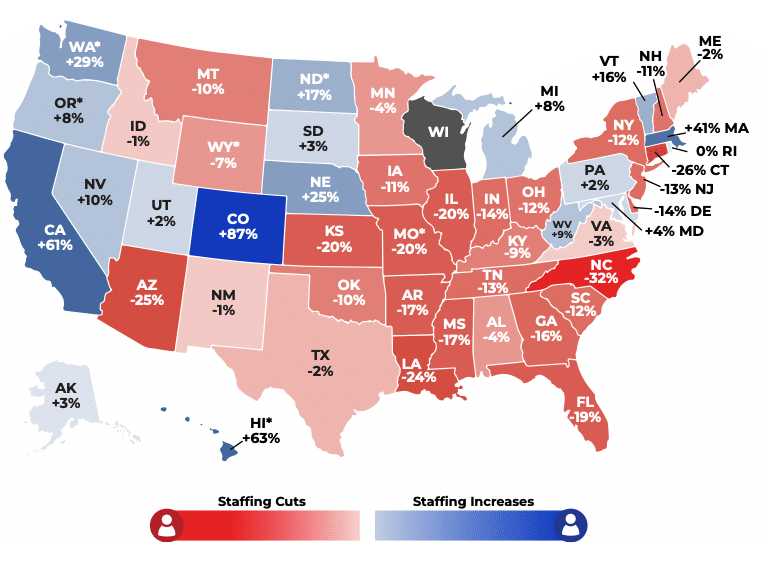
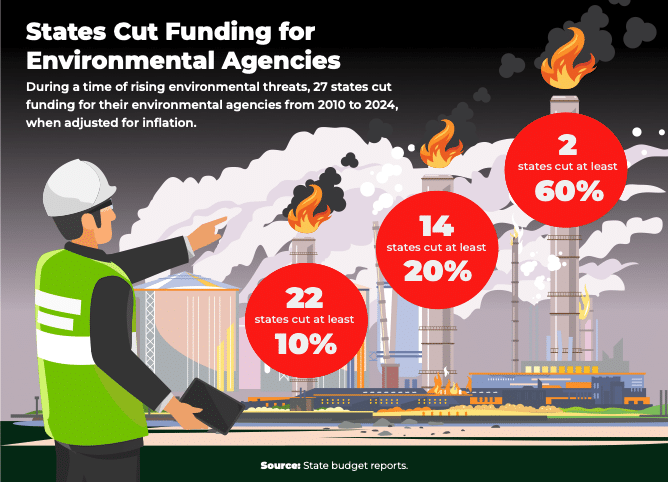
Graphics via EIP report, “State of Decline: Cuts to State Pollution Control Agencies Compound Damage from the Dismantling of EPA.”
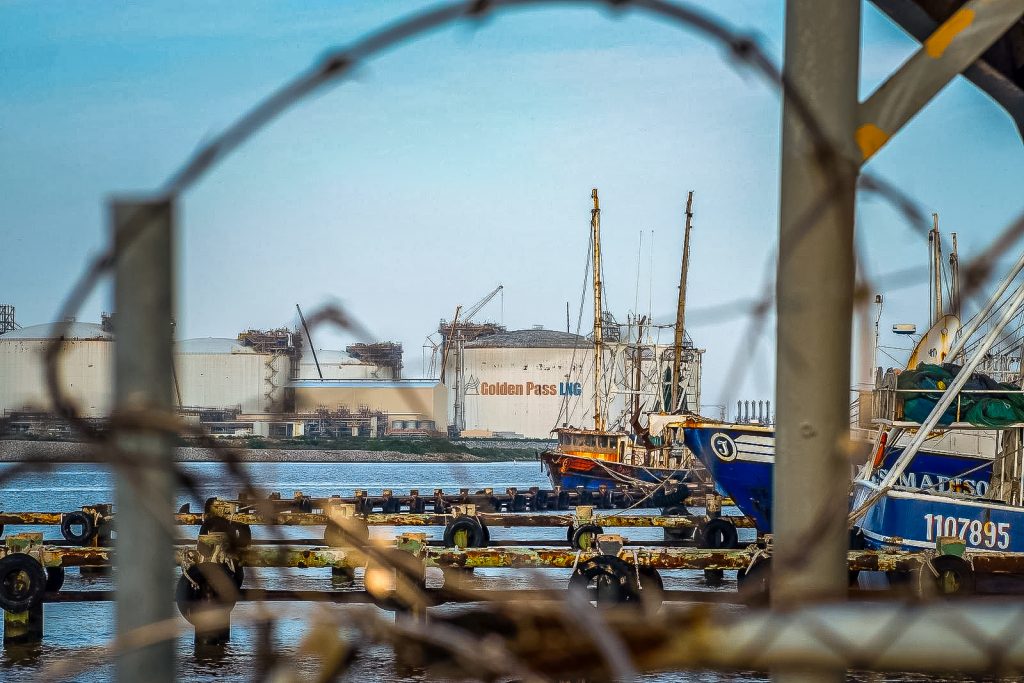
In Gulf states broadly, this abandoning of regulatory obligations to protect the environment and public health is happening against a backdrop of a massive buildout of liquefied natural gas export facilities.
In Texas, for instance, where most of the nation’s oil and gas exports now exit the nation, the TCEQ doesn’t have enough people to deal with the increasing amount of new oil and gas projects and those that are developing, report authors found. Nor can the agency regulate those that are violating their permits.
Of course, the Trump administration and Texas’s Republican leadership support the proliferation of these projects. Trump has latched onto fracked gas as a key aspect of his “unleashing American energy” agenda, which is solely directed at sustaining the oil and gas industry as renewables become more used globally.
In September 2024, the Texas Legislature approved 67 full-time positions for TCEQ’s budget for 2026 and 2027, along with $47.7 million in additional funding. But the regulator had asked for 157 positions and $60 million dollars to keep up with the state’s growth. The EIP report authors note that these increases don’t significantly change the “long term trend” of TCEQ’s budget.
“It really means that there are less people on the ground to ensure that companies are following the law,” Jen Duggan, EIP’s executive director, said on a press call rolling out the report on Wednesday. “It may take longer, once a violation is identified, to actually resolve that violation and bring that company back into compliance with the law.”
Residents near these projects find themselves filling in for missing regulators by necessity, documenting apparent violations and filing reports for investigations that frequently never follow,as seen with liquified natural gas (LNG) export plants in Louisiana. In October, EIP released a report detailing that every operating LNG plant–7 in all–in the United States had violated their air permits at least once in the last five years. Five of them had also violated their water permits.
“Proactive investigations and the oversight responsibility ultimately falls to the community and that should never be the case,” Guerra said.
LNG export plants are not the only things that are facing less regulatory attention. Last month, the Trump administration also directed the EPA to lessen its standards for soot pollution, wetland and threatened species protections.
This year the EPA announced it was cutting nearly 4,000 positions from the agency. Some of the agency’s departing researchers have gone into the private sector, creating a “brain drain” from the EPA that was critical in responding to environmental disasters like the 2023 train derailment in East Palestine, Ohio.
Congress is scheduled to vote on the EPA’s budget next month. The Trump administration is wanting to further cut the agency’s budget by 55 percent. House Republicans have suggested half that amount.